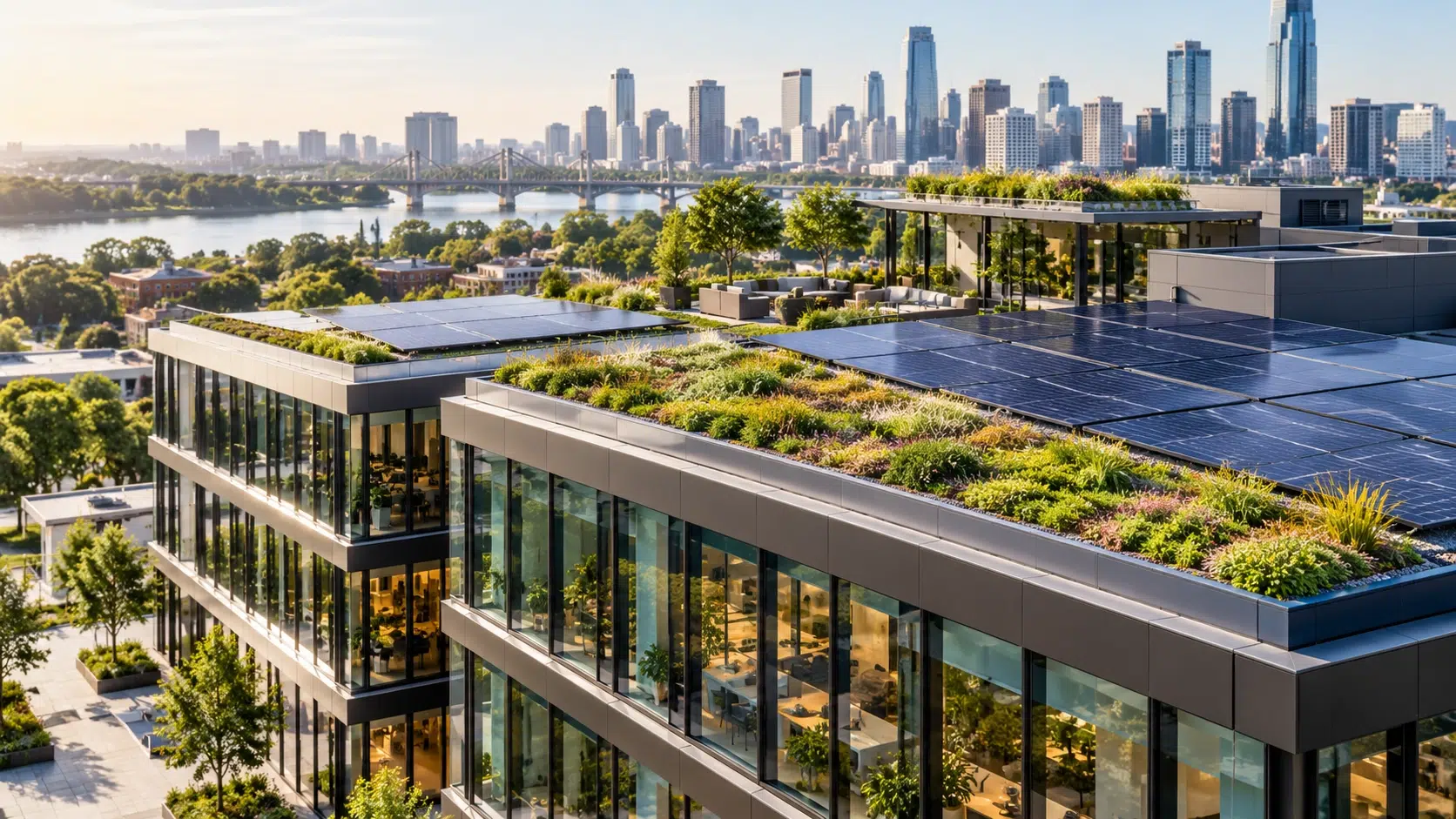
Commercial building owners face a common challenge. They need to protect their properties while keeping operating costs under control. Energy bills continue to affect budgets, and older roofs often require costly repairs. These issues can reduce profits and lower the value of a commercial property.
Upgrading a roof offers a practical way to address these concerns. Modern, eco-friendly roofing systems help protect buildings, reduce energy use, and lower long-term maintenance costs. Some options can also qualify for tax benefits, grants, or utility rebates.
A well-planned roof upgrade does more than fix an aging structure. It can improve energy performance, support tenant comfort, and make a property more attractive to buyers. Over time, these benefits may increase rental income and strengthen the building’s market value.
The key is to choose a roofing system that fits the building, the local climate, and the owner’s financial goals. With the right materials and proper installation, a roof can become a valuable part of a long-term property investment.
Cool Roof Systems Lower Utility Costs
Cool roofs help keep commercial buildings cooler by reflecting sunlight away from the roof surface. Many use light-colored coatings, reflective membranes, or special roofing materials. These surfaces absorb less heat than many dark, traditional roofs.
This simple change can make a real difference during hot weather. When less heat enters a building, indoor temperatures are easier to control. Air conditioning systems may not need to run as often or work as hard to keep spaces comfortable.
Lower cooling demand can reduce monthly electricity bills. For large buildings, even a modest drop in energy use can lead to meaningful savings over time. Warehouses, offices, shopping centers, and other large facilities may benefit from this approach.
Cool roofs can also help protect heating and cooling equipment. When air conditioning systems run less often, they may face less wear during periods of high demand. This can help reduce repair needs and support a longer service life. Actual results depend on equipment condition, building design, and local weather.
Reflective surfaces may also reduce stress caused by repeated heating and cooling. Roof materials expand as they warm and contract as they cool. Over many years, these changes can affect some roofing systems.
By limiting extreme surface temperatures, cool roofs may help reduce this strain. However, the roof’s quality, drainage, and installation remain vital to its long-term performance.
For property owners, the main advantage is clear. A cool roof can help lower energy costs while protecting the building from heat. It offers a practical upgrade for owners who want to improve performance without adding complex systems.
Eco-Friendly Roofing Reduces Energy Use
Energy-efficient roofing gives commercial property owners another way to control operating costs. These systems help limit heat transfer between the roof and the indoor space. Some use reflective surfaces, while others rely on insulation or several layers of protective materials.
A roof with strong thermal performance can help maintain more stable indoor temperatures. During summer, it limits unwanted heat gain. During winter, suitable insulation helps keep indoor heat from escaping.
This can reduce the workload on heating and cooling systems. It may also improve comfort for employees, customers, and tenants. Better temperature control can be especially useful in buildings that operate for long hours each day.
The benefits extend beyond lower energy bills. A well-designed roofing system can protect the roof deck and other building parts from moisture. Proper waterproofing helps prevent leaks, damp insulation, and damage to interior finishes.
Water damage can create serious problems for commercial buildings. Repairs may interrupt daily operations, damage stored goods, or force tenants to leave affected spaces. Regular inspections and timely repairs help prevent small issues from becoming expensive problems.
Eco-friendly commercial roofing can also support wider efforts to reduce environmental impact. Lower energy demand may reduce the emissions linked to electricity use, depending on the local power supply. Reflective roofs can also help reduce heat buildup in dense urban areas.
For owners, these improvements can make a property more appealing to businesses that care about energy use and running costs. Sustainable features may support leasing and sales goals when they deliver clear, measurable results.
Large Flat Roofs Offer Major Savings
Large, low-slope roofs are common on warehouses, shopping malls, factories, schools, and office buildings. Their size makes roof performance especially important. A large surface can absorb substantial heat during long periods of direct sunlight.
In 2025, low-slope roofs accounted for 44.87% of revenue in the cool roof market, according to the figures provided. This share highlights the role of flat and low-slope roofing in commercial construction.
Traditional dark roofs can become very hot under strong sunlight. Some of that heat passes into the building below. This can increase cooling demand, especially in facilities with large indoor spaces and limited natural shade.
Reflective roofing offers a way to reduce this effect. By reflecting more sunlight, the roof can stay cooler and limit heat transfer. The impact will vary based on insulation, roof condition, building use, and local climate.
Warehouses can gain from this change in several ways. Cooler indoor conditions may reduce the need for air conditioning in work areas. This can improve comfort for staff who spend long hours inside the building.
Temperature control is even more important when a facility stores goods that need stable conditions. Food products, medicines, electronics, and other sensitive items may require carefully managed indoor temperatures. A suitable roofing system can support these efforts, although it cannot replace the need for proper climate control.
Shopping malls and large office buildings may also benefit from lower cooling demand during peak hours. Reducing electricity use at busy times can help control energy costs. The amount saved will depend on the building’s energy rates and how its utility company charges for peak demand.
For owners with several commercial properties, these savings can add up. A consistent roof upgrade plan may improve energy performance across an entire portfolio.
Green Roofs Improve Insulation and Protect Roofs
Green roofs use plants and growing materials on top of a suitable waterproof roofing system. They may include grass, low-growing plants, shrubs, or other vegetation. Some systems are light and simple, while others use deeper soil layers and support a wider range of plants.
These roofs provide several benefits. Plants and growing media can help limit heat gain during summer. They can also slow heat loss during colder weather. This extra layer may reduce the need for heating and cooling, depending on the building and roof design.
Green roofs also help manage rainwater. Soil and plants absorb and hold part of the rainfall, then release some of it over time. This can reduce the amount of water that reaches drains during heavy rain.
Better stormwater control can help ease pressure on drainage systems. However, a green roof still needs proper drainage and waterproofing. Poor design or neglected maintenance can lead to leaks and structural problems.
Plants can also shield the waterproof membrane from direct sunlight. This may reduce exposure to ultraviolet rays and extreme temperature changes. When designed and maintained well, this protection can help support the roof’s service life.
The global green roof market was valued at USD 12.56 billion in 2025, based on the figure provided. This market size reflects growing interest in roof systems that combine building performance with environmental benefits.
Green roofs can also reduce outside noise. Soil, plants, and other roof layers help absorb some sound from traffic, aircraft, and nearby construction. This may improve comfort in offices and other occupied spaces.
Still, green roofs often cost more to install than basic roofing systems. Buildings may need added structural support, careful waterproofing, and regular plant care. Owners should compare these costs with expected energy savings, stormwater benefits, and other gains before making a decision.
Commercial Green Roofs Attract Tenants
Sustainable building features play a growing role in commercial real estate. Many companies want offices and workspaces that support employee comfort and reduce operating costs. Green roofs can help meet these goals when they form part of a well-planned building design.
Commercial properties accounted for 63.7% of the global green roof market’s revenue share in 2024, according to the supplied figures. This shows the importance of commercial buildings in the market.
A green roof can make a property stand out in a crowded rental market. It may help owners attract tenants who value energy performance, outdoor space, and environmental design. These features can be useful when companies compare several buildings with similar locations and prices.
Some green roofs also provide shared outdoor areas. With safe access, suitable barriers, and proper maintenance, a roof garden can offer a place for staff to relax or meet. Such spaces may improve the daily experience of people who work in the building.
These features do not guarantee higher rents or occupancy rates. Their value depends on tenant needs, local demand, building quality, and the cost of maintaining the space. Yet a well-designed green roof can add a useful amenity that many older buildings lack.
Property owners should also consider long-term care. Plants need water, checks, and occasional replacement. Drainage outlets must stay clear, and the waterproofing system needs regular inspection. A clear maintenance plan helps protect the investment.
When these needs are built into the budget, a green roof can support both building performance and tenant appeal.
Buyers Value Energy-Efficient Roofs
Commercial property buyers often look beyond a building’s location and size. They also review operating costs, repair needs, and future capital expenses. The roof matters because a failed or aging system can require a large investment soon after a purchase.
The supplied market figures state that 61% of commercial property owners prioritize reflective roofing materials to reduce energy use. This points to strong interest in roofs that help control costs.
An energy-efficient roof can improve a building’s appeal by showing that the owner has invested in its upkeep. Buyers may value a roof that has years of useful life remaining and needs fewer urgent repairs.
Energy performance can also affect financial reviews. Lower utility bills may increase net operating income, which measures the income a property earns after operating expenses. In many cases, investors use this figure to help assess a property’s value.
Tax Benefits Can Lower Upfront Costs
The initial cost of a roofing project can make owners hesitate. Sustainable materials and complex installations may require a larger budget than a basic replacement. Tax benefits, rebates, and financing programs can sometimes reduce that burden.
Some commercial properties may qualify for tax incentives linked to energy efficiency. Local utility companies may also offer rebates for approved roofing materials or related improvements. State and local programs can provide further support in certain areas.
The rules vary by location and project type. Not every roof qualifies, and some programs require specific energy ratings, approved products, or professional installation. Owners should confirm current rules before including any incentive in their financial plan.
Tax treatment also depends on the type of work. Some expenses may qualify for depreciation over time, while others may receive different treatment under local tax law. Property owners should consult a qualified tax professional to understand the options available to them.
Long-Term Value Starts With the Right Roof
An eco-friendly roof can support a commercial property’s value in several ways. It may lower energy bills, protect the structure, reduce repair needs, and improve indoor comfort. Some systems also provide better stormwater control and useful outdoor space.
The best choice depends on the building’s needs. A reflective roof may suit a large warehouse in a hot climate. A green roof may be a better fit for an office building with enough structural support and a clear plan for ongoing care. In other cases, improved insulation and waterproofing may offer the strongest return.
Before starting a project, owners should arrange a roof inspection and review the building’s energy use. They should compare suitable materials, check local building codes, and obtain detailed installation quotes. It is also wise to review warranties and plan for regular maintenance.
Final Thoughts
By choosing suitable materials and planning the work carefully, owners can turn a major maintenance expense into a long-term investment. Eco-friendly roofing may not deliver the same results for every building, but the right system can improve efficiency, support tenant satisfaction, and strengthen the property’s financial position for years to come. Make sure to check out the rest of our articles!