
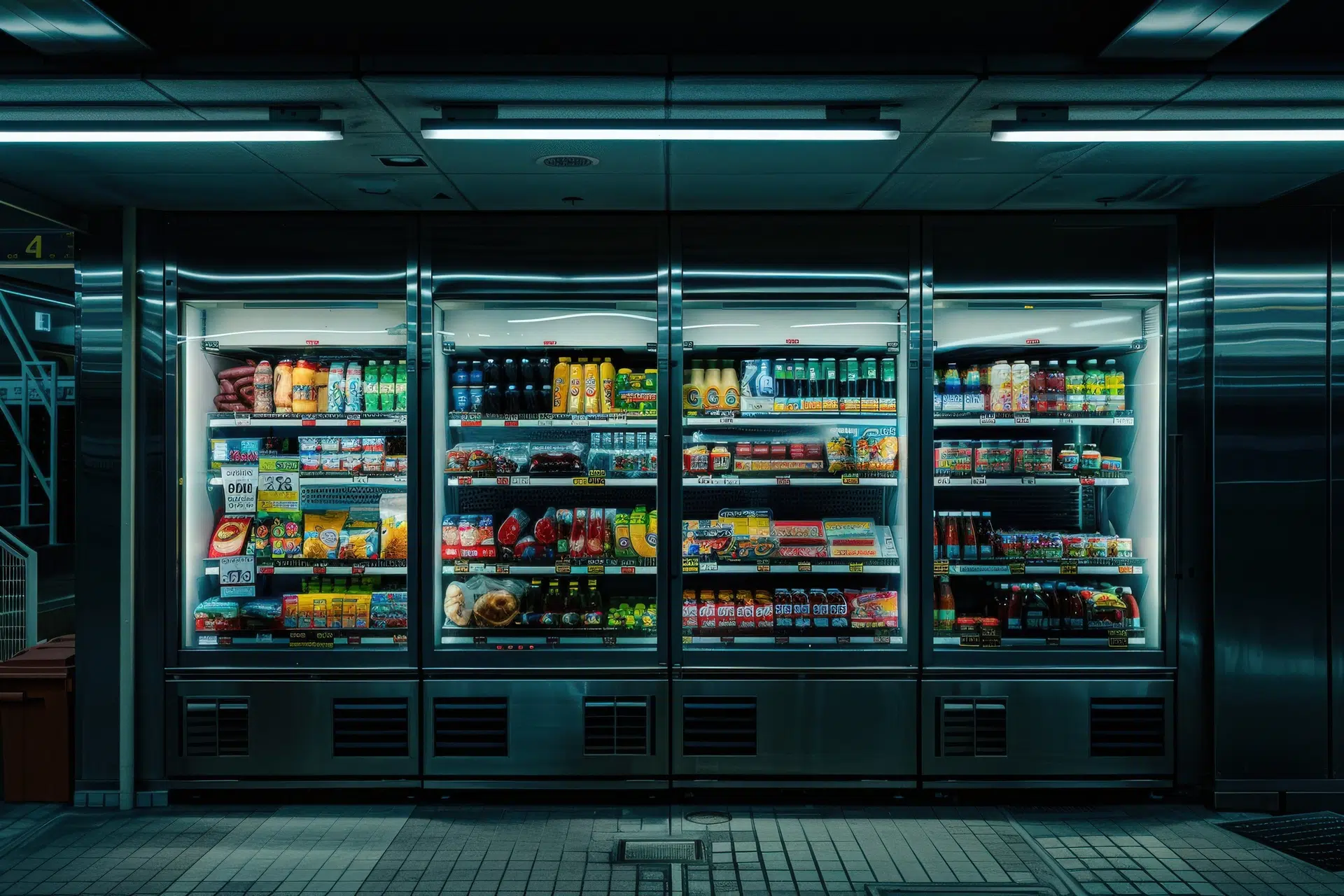
The hum of a commercial refrigerator is often the background music of any food service or retail establishment. But when it comes to keeping your inventory at optimal temperatures, not all refrigerators are created equal. For businesses dealing with significant volumes of perishable goods, the decision of which unit to install can feel overwhelming. It’s not just about fitting in the groceries; it’s about ensuring food safety, maintaining product quality, and optimizing workflow.
Understanding Commercial Reach-In Refrigerators
At its core, a commercial reach-in refrigerator is designed for accessibility and high-volume storage. Unlike walk-in coolers, these are typically standalone units with doors that allow staff to quickly “reach in” for ingredients or products. They are indispensable in environments like restaurants, bakeries, grocery stores, and even laboratories where precise temperature control and easy access are paramount.
Key Features to Consider
When evaluating commercial refrigerators, several factors go beyond just the cooling function:
- Capacity and Size: This is perhaps the most immediate consideration. Businesses need to assess their current inventory needs and anticipate future growth. Units come in various widths and depths, often measured in doors (single, double, triple).
- Temperature Control: While all refrigerators cool, commercial units offer precise digital thermostats. Look for units that maintain a consistent temperature range, typically between 35°F and 38°F (1.7°C and 3.3°C) for refrigerators, crucial for preventing bacterial growth.
- Shelving and Interior Layout: Adjustable shelving is vital for accommodating different product sizes and types. Some units offer specialized shelving or drawer configurations for specific items like produce or deli meats.
- Door Type and Swing: Doors can be solid or glass. Glass doors can help with inventory visibility, reducing the need to open doors unnecessarily and saving energy. The direction the doors swing (left or right) can also impact kitchen layout and workflow.
Material and Durability
Commercial kitchens are demanding environments, so the materials used in construction matter significantly. Stainless steel interiors and exteriors are common because they are:
- Hygienic: Easy to clean and resistant to corrosion and staining.
- Durable: Capable of withstanding heavy use and frequent cleaning.
- Aesthetically Pleasing: Offers a professional look that many businesses prefer.
The quality of the insulation, door gaskets, and compressors also directly impacts energy efficiency and the unit’s longevity.
Energy Efficiency and Environmental Impact
With rising energy costs, selecting an energy-efficient model is a smart financial and environmental decision. Look for units with ENERGY STAR ratings or those that utilize modern, eco-friendly refrigerants. While the initial cost might be slightly higher, the long-term savings on electricity bills can be substantial.
Common Mistakes When Buying Commercial Refrigerators
Many businesses make similar errors when purchasing refrigeration equipment. Being aware of these pitfalls can save you from costly mistakes:
- Underestimating Space Needs: Buying a unit that is too small leads to overcrowding, poor air circulation, and potential spoilage.
- Ignoring Ventilation Requirements: Refrigerators need adequate space around them for proper airflow. Blocking vents can lead to overheating and inefficient operation.
- Prioritizing Price Over Quality: The cheapest option often comes with lower build quality, shorter lifespan, and higher maintenance costs.
- Not Considering Door Swing and Placement: A door that swings into a high-traffic area can be a safety hazard and disrupt workflow.
- Overlooking Maintenance Access: Ensure the unit allows for easy access to components that may require regular cleaning or servicing.
Practical Steps for Your Purchase
When you are looking for commercial fridges, take these steps:
- Assess Your Inventory: Quantify what you need to store and the space it requires.
- Measure Your Space: Accurately measure the intended location, including doorways and pathways for delivery.
- Define Your Budget: Consider both the upfront cost and the long-term operational expenses.
- Research Brands and Models: Read reviews and compare specifications from reputable manufacturers.
- Consult with Experts: If unsure, speak with refrigeration specialists or equipment suppliers.
Making the Decision: A Business Perspective
From a business owner’s standpoint, the commercial refrigerator is an investment in product integrity and operational efficiency. A reliable unit protects revenue by minimizing spoilage and ensuring compliance with health and safety regulations. The right refrigerator can also streamline daily tasks, allowing staff to focus on customer service and preparation rather than managing temperature logs or dealing with equipment failures. Think about the total cost of ownership, which includes purchase price, energy consumption, maintenance, and potential downtime.
The Future of Commercial Refrigeration
The industry continues to evolve, with a strong emphasis on sustainability and smart technology. Expect to see more units with advanced energy management systems, remote monitoring capabilities, and improved insulation. Refrigerants are also becoming more environmentally friendly. As technology advances, businesses that invest in modern, efficient equipment will likely benefit from lower operating costs and enhanced reliability, positioning themselves for long-term success.


