
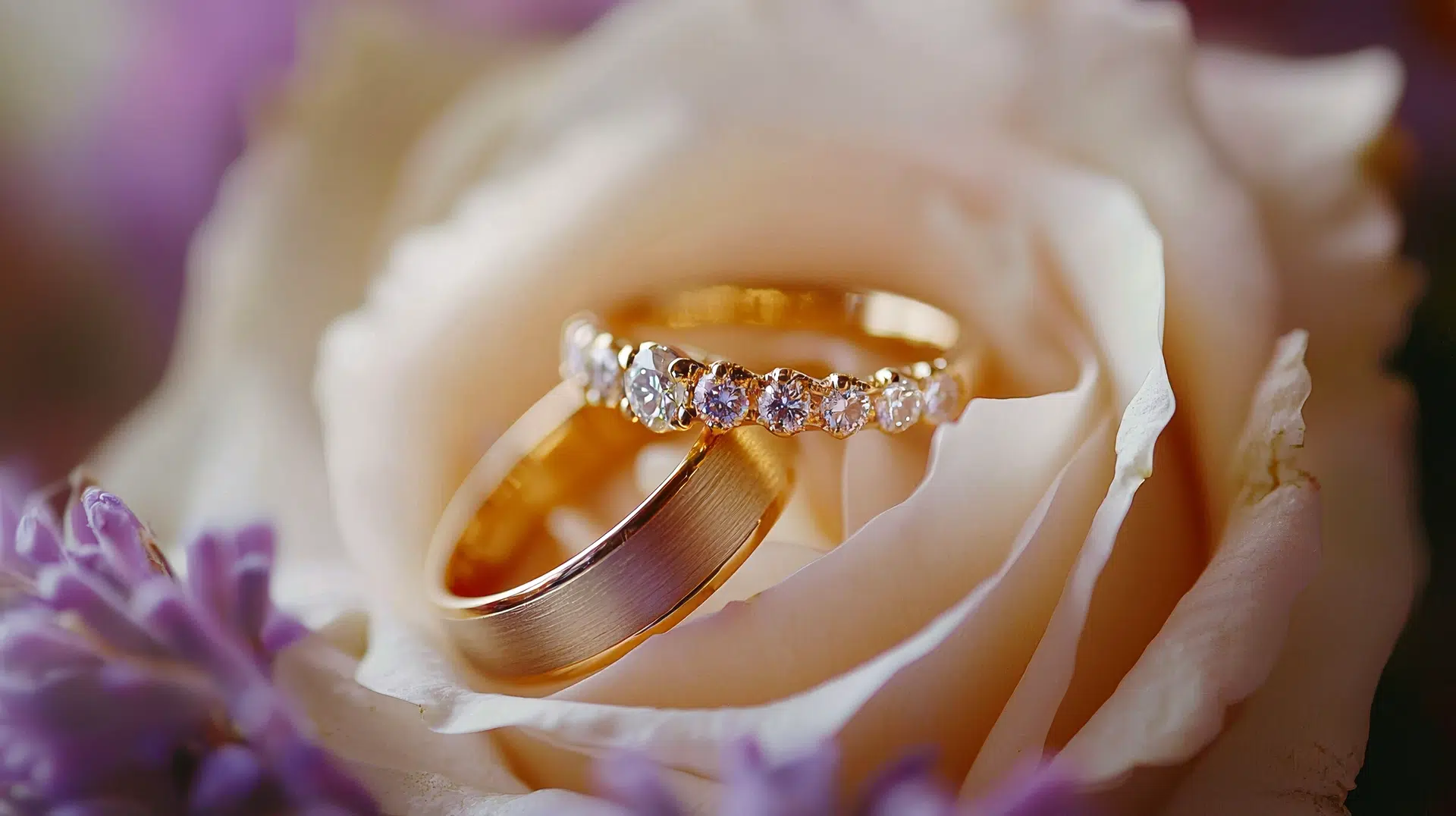
Discover the journey of choosing and designing wedding bands that truly represent your unique love story and lasting commitment.
The Search for the Perfect Symbol
When the time comes to solidify your union, the wedding band becomes more than just jewelry; it’s a tangible representation of your vows and shared future. Many couples find themselves drawn to the idea of a ring that feels deeply personal, something that speaks to their specific relationship rather than a generic offering. This often leads to exploring options beyond the traditional off-the-shelf selection, seeking out pieces that carry a unique narrative.
Understanding Wedding Bands: Beyond the Basics
At its core, a wedding band is a ring worn to signify a marital commitment. Historically, these bands have symbolized eternity, with their circular shape representing an unbroken cycle of love and devotion. Today, the meaning remains profound, but the expression of that meaning has expanded considerably.
Key concepts to consider include:
- Material: The choice of metal significantly impacts the ring’s appearance, durability, and cost. Common options include gold (yellow, white, rose), platinum, palladium, and even titanium or tungsten for a more modern, often more affordable, and exceptionally durable choice.
- Design: Bands can range from simple, unadorned circles to intricate designs featuring patterns, engravings, or inlaid stones.
- Fit and Comfort: A wedding band is worn daily, so comfort is paramount. Factors like width, thickness, and profile (e.g., flat, domed, court) play a crucial role.
- Symbolism: While the primary symbolism is commitment, couples often incorporate personal touches that hold special meaning to them.
A Deeper Dive into Wedding Band Selection
The Allure of Personalization
The desire for individuality is a driving force for many couples. This is where the concept of personalized rings truly shines. It’s about creating a piece that isn’t mass-produced but instead reflects the nuances of your relationship. This could involve:
- Incorporating a specific metal or combination of metals.
- Adding a subtle engraving of a date, initials, or a short, meaningful phrase.
- Choosing a unique texture or finish for the band.
- Selecting gemstones that hold personal significance.
This level of detail ensures the ring is not just a symbol, but a story worn on your finger.
Navigating Materials and Their Properties
Each metal offers a distinct set of characteristics:
- Gold: Available in various karats (14K, 18K), indicating purity, and colours (yellow, white, rose) achieved through alloying. Yellow gold is classic, white gold is rhodium-plated for brightness, and rose gold offers a warm, romantic hue.
- Platinum: A naturally white, dense, and hypoallergenic metal known for its exceptional durability and resistance to tarnish. It’s a premium choice that holds its value well.
- Palladium: Similar in appearance to platinum but lighter and more affordable, it’s a strong, corrosion-resistant option.
- Alternative Metals (Titanium, Tungsten Carbide): These modern metals are incredibly strong, scratch-resistant, and often more budget-friendly. They offer a contemporary look but cannot be resized easily.
Understanding the Craftsmanship Process
The journey from concept to finished ring can vary significantly:
- Consultation: This initial step involves discussing your vision, preferences, and budget with a jeweler.
- Design: Sketches or digital renderings are created to visualize the final piece.
- Material Selection: Choosing the metals, gemstones, and any other decorative elements.
- Fabrication: The ring is meticulously crafted by skilled artisans, either through casting or hand-fabrication.
- Finishing: Polishing, engraving, and setting any stones to complete the piece.
The time required can range from a few weeks to several months, depending on the complexity and the jeweler’s workload. Understanding this timeline is crucial for wedding planning.
Common Mistakes and Misconceptions
- Overlooking Comfort: Focusing solely on aesthetics without considering daily wear can lead to regret.
- Underestimating Durability Needs: Choosing a soft metal for an active lifestyle can result in scratches and wear.
- Ignoring Resizing Limitations: Particularly with alternative metals like tungsten, resizing is often impossible.
- Not Factoring in Total Cost: Beyond the metal, consider intricate designs, gemstones, and unique finishes which can add to the overall price.
- Rushing the Decision: Wedding bands are a lifelong commitment; taking your time ensures you select a ring you’ll cherish.
Practical Takeaways for Your Journey
Start by discussing your vision with your partner. What are your priorities for the rings? Consider your daily activities and lifestyle to inform material and design choices. Research jewelers and their expertise, especially if you’re considering custom work. Don’t be afraid to ask questions about the process, materials, and care instructions.
A Decision-Making Perspective
From a couple’s perspective, choosing wedding bands is an opportunity to collaboratively express your shared values and commitment. It’s about finding a balance between individual style and a unified symbol. For many, investing in high-quality, durable materials that can be passed down through generations is a significant factor. The process itself can be a beautiful prelude to marriage, fostering communication and shared anticipation.
The Evolving Landscape of Wedding Bands
The trend towards greater personalization continues to grow. Couples are increasingly seeking out unique options that reflect their individual stories and modern values. This includes exploring unconventional materials, incorporating ethical sourcing for gemstones, and embracing designs that break from tradition. As technology advances, the possibilities for intricate detailing and unique finishes in custom wedding bands are expanding, offering even more ways to create a truly meaningful symbol of your union.


