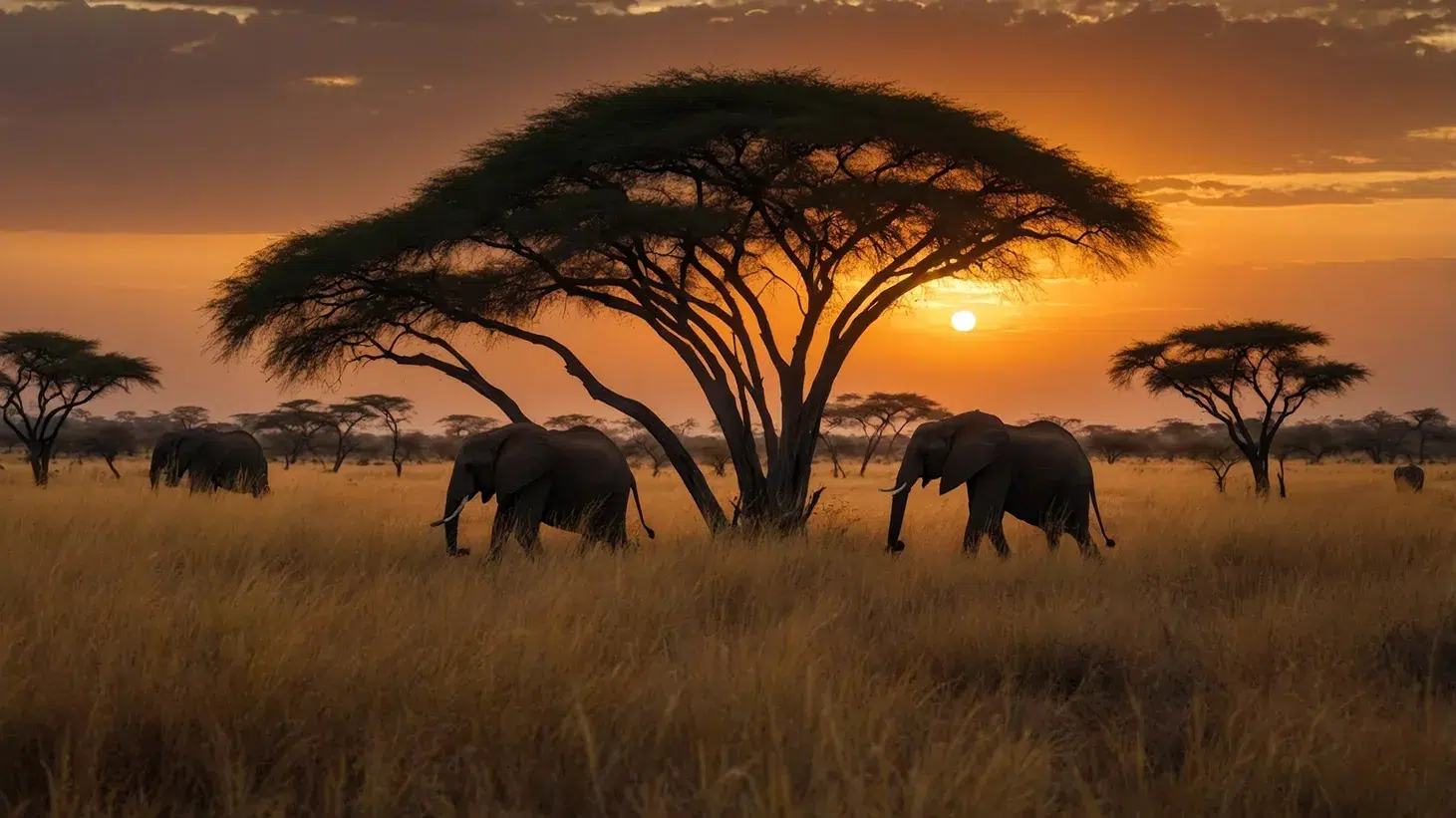
Planning your first Tanzania Safari feels exciting… and a little confusing at the same time. There’s a lot out there. Too many parks, too many opinions, too many “must-do” lists that don’t really explain anything. This guide is meant to slow that down.
Instead of trying to show everything, it helps you understand what actually matters when you’re going for the first time. Where to go, what the days feel like, when to visit, and how to plan something that fits you. If you’re working with a good Tanzania Tour Operator, most of this becomes easier. Still, it helps to know what you’re stepping into before you get there.
Where to Start with a Tanzania Safari
Most first-time travellers don’t really struggle with the idea of going. That part is easy. It’s the “where do I even begin” feeling that gets in the way.
Tanzania works well because it doesn’t try too hard. The wildlife is consistent. The parks are well set up. You don’t feel like you picked the wrong place halfway through your trip.
The real decision is not “should I go,” but more “how do I want this to feel.”
Some people want wide-open plains and big-game drives, while others want quieter areas. Then, there is a lot that wants a mix. That’s where choosing the right Safari Operator actually starts to matter.
Tanzania National Parks You Should Know First
There are many parks, but a few Tanzania National Parks come up again and again for a reason.
- Serengeti is usually the one people are already familiar with. And yes, it lives up to that image. Long grasslands, scattered trees, and animals that seem to appear without warning. It feels big in a way that’s hard to explain until you’re there.
- Then there’s Ngorongoro Crater. It is very different and has a more contained ecosystem. You drive down, and things begin quickly. Wildlife feels closer here.
- Tarangire often gets overlooked at first, but ends up being a favourite for many people. Especially for elephants. Not just one or two. Proper herds.
Other national parks option in the northern circuit safari includes: Kilimanjaro National Park, Arusha National Park, and Lake Manyara National Park. If you go further south, places like Ruaha and Nyerere feel quieter. Fewer vehicles. There is more rush and less space.
A good Tanzania Safari Package usually combines a few of these instead of sticking to one.
Best Time to Visit Tanzania
The Best Time to visit Tanzania depends on what you expect, but there is a general pattern.
June to October is the dry season. Wildlife viewing is easier with less grass and fewer animals gathered around water. It’s also the busiest time.
January and February can be surprisingly good too, especially in certain areas.
March to May is greener, quieter, and less crowded. Some people avoid it because of the rain, but it’s not constant. You just need a bit more patience.
There isn’t one perfect time. Just different versions of the same place.
What a Day on a Tanzania Safari Feels Like
On a Tanzania Safari, your day usually starts early, around 5:30 or 6. Not because someone wants to rush you, but because that’s when things actually happen out there.
You head out while it’s still cool. Sometimes the surroundings are really quiet, and then suddenly, you see something within minutes. Sometimes you don’t, and the drive just continues.
Breakfast might happen somewhere in the middle of nowhere. Nothing fancy, but that feeling in the wild feels great in that moment.
Then you head back, rest a bit, maybe do nothing for a while. Afternoons start again later, when the heat drops.
Evenings feel different. The light changes. The air cools down. You start noticing smaller things. It’s not fast. That’s probably the point.
Different Ways to Experience a Tanzania Safari
Most people think of safari as sitting in a vehicle all day. That’s a big part of it, but not the only way.
- Game drives are still the main way to see wildlife, especially if it’s your first time.
- Walking safaris change things completely. You move more slowly and notice more. It’s less about ticking animals and more about understanding where you are.
- Cultural visits also matter more than people expect. A safari isn’t just about animals. Tanzania has people, traditions, and stories that sit alongside everything else.
- Some travellers also choose balloon safaris. Floating above the plains early in the morning. It’s not necessary, but it’s something people remember for a long time.
The experience works best when it’s mixed, not repeated in the same way every day.
What You Should Know About Tanzania Safari Costs
Safari costs can feel confusing at first. Some factors that can cause costs to vary:
- The time of year changes the price a lot.
- Peak months cost more.
- The green season can be lower.
- Location matters too.
- Remote parks cost more because getting there is harder.
A Safari Package usually includes more than people expect, though. Meals, game drives, park fees, and sometimes flights between parks.
Still, it helps to ask questions early. A clear breakdown makes everything easier. You can get the clear breakdown by referring to the Tanzania Safari Cost page.
Tanzania Safari Packing List Basics
A Tanzania Safari Packing List doesn’t need to be complicated.
You need clothes that work for early mornings and warm afternoons. Neutral colors help. Comfortable shoes. A light jacket.
Soft bags are better than hard suitcases, especially if you’re taking small flights between parks.
And honestly, you don’t need as much as you think. Most people overpack the first time. That’s why it’s often advised to refer to a comprehensive Tanzania Safari Packing List for details.
Planning It All with the Right Team
This is where things either come together or feel slightly off.
A good Tanzania Tour Operator doesn’t just book places but curates the trip for its guests. They decide how long you stay in each park, how far you drive, and how the days feel.
African Scenic Safaris works on that level. Not just building a route, but making sure the experience feels right from start to finish.
Because the truth is, most people don’t remember every detail. They remember moments like a quiet morning and a sudden sighting. That strange mix of stillness and movement that stays with you long after you leave. And that’s really what a Safari is about.