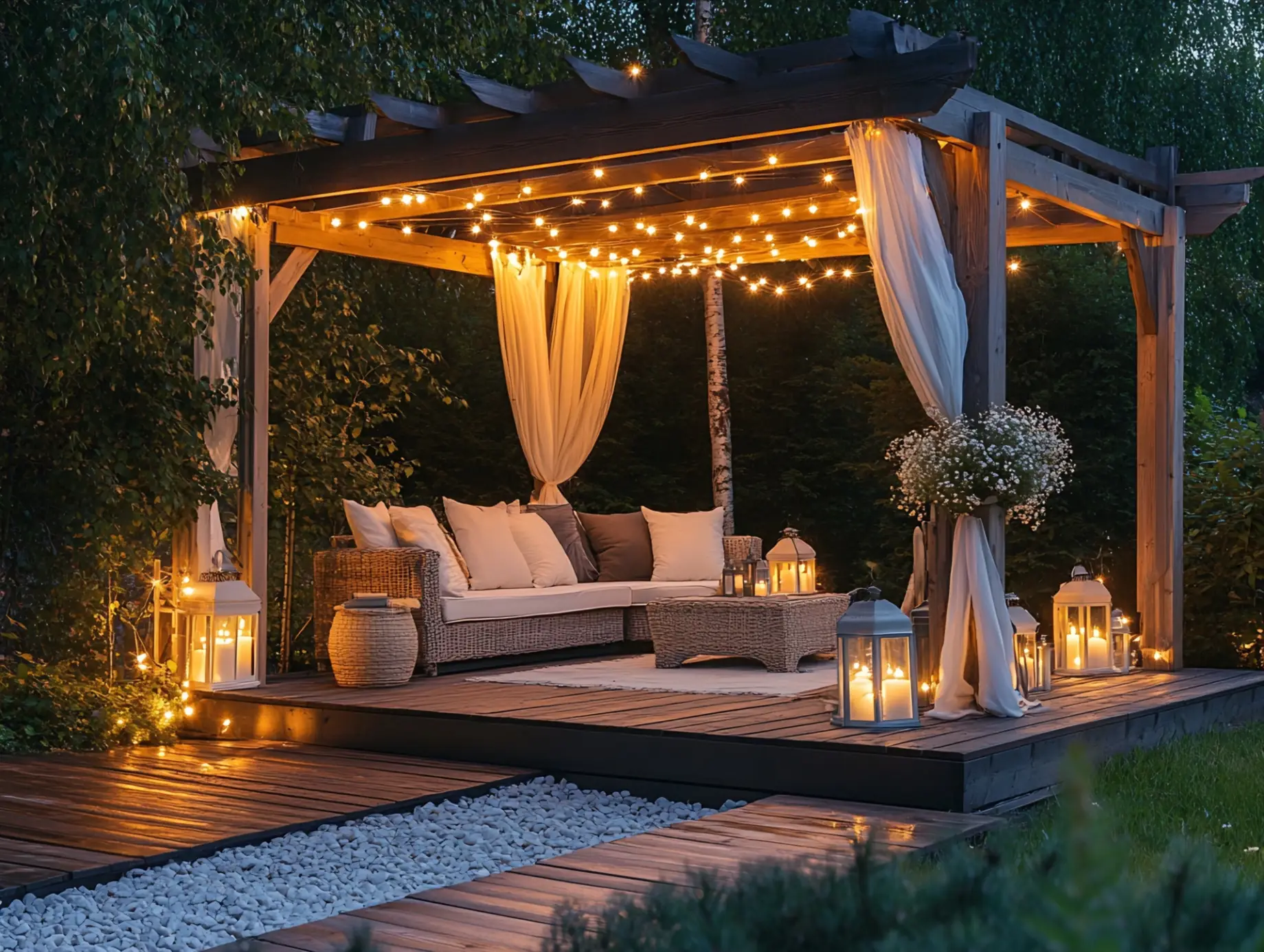
Some outdoor spaces naturally encourage people to stay longer. A comfortable seating arrangement helps, but lighting often plays the bigger role once the evening begins. The atmosphere created after sunset can completely change how a backyard feels, especially around covered gathering areas like pergolas.
Homeowners have started treating pergolas as more than decorative backyard structures. They now function as outdoor dining areas, conversation spaces, and evening retreats where lighting becomes part of the overall experience rather than an afterthought. Without the right setup, though, even a beautifully designed pergola can feel flat or underused at night.
That shift is one reason many homeowners are experimenting with layered pergola lights instead of relying on a single overhead fixture. Softer lighting arrangements create warmth, improve comfort, and help outdoor entertaining feel more relaxed without overwhelming the space visually.
Lighting Changes How People Use Outdoor Spaces
A pergola may look attractive during the daytime, but nighttime usability depends almost entirely on lighting. Poor illumination can make the structure feel disconnected from the rest of the yard once darkness settles in.
This becomes especially noticeable during gatherings. Guests naturally move toward areas where lighting feels balanced and comfortable, while darker sections often remain unused regardless of furniture or layout quality.
Thoughtfully arranged pergola lights help define the space after sunset while creating a softer atmosphere that encourages people to linger. Instead of functioning only as a visual structure, the pergola becomes an active part of the outdoor living environment throughout the evening.
Overhead Lighting Alone Often Feels Too Harsh
One of the most common mistakes homeowners make is relying entirely on a bright ceiling fixture placed in the center of the pergola. While this may provide visibility, it usually creates strong shadows and uncomfortable brightness directly over seating areas.
A softer layered approach tends to feel much more natural. Lighting distributed across beams, corners, or surrounding landscaping creates depth and warmth instead of concentrating attention in one overly bright zone.
This is why many outdoor setups now combine pergola lights with surrounding landscape lighting or subtle architectural lighting nearby. The different layers work together to shape the atmosphere gradually rather than flooding the entire area with direct brightness.
Hanging Lights Create a More Relaxed Atmosphere
String-style lighting remains popular around pergolas because it softens the overall environment without making the structure feel visually heavy. Even spacing across overhead beams creates a relaxed visual rhythm that supports conversation and evening dining naturally.
The key difference between a polished setup and a cluttered one usually comes down to restraint. Too many strands can make the pergola feel crowded, while carefully spaced lighting allows the structure itself to remain visually important.
Many homeowners combine outdoor string lights with softer perimeter illumination to keep the focus on atmosphere rather than decoration alone. This balance makes the space feel more intentional and less temporary.
Lighting Placement Influences the Mood of Gatherings
Different lighting angles create completely different emotional effects around outdoor seating areas. Light positioned too high can feel cold and exposed, while lower indirect illumination often creates a more intimate environment.
For example, lighting tucked along pergola beams or woven subtly through structural lines tends to produce softer shadows across furniture and dining surfaces. The result feels calmer and more inviting than direct overhead glare.
This emotional aspect matters because outdoor entertaining depends heavily on comfort. Guests may not consciously notice the lighting layout itself, but they respond to how the environment feels during the evening.
The Surrounding Yard Should Feel Connected
A pergola should not appear isolated from the rest of the backyard after dark. One common problem with basic lighting setups is that the pergola becomes the only illuminated section while the surrounding areas disappear completely into shadow.
Balanced outdoor lighting creates smoother transitions between patios, pathways, landscaping, and gathering spaces. Nearby deck lighting, fence lighting, or softly illuminated planting areas help the pergola feel connected to the overall property instead of functioning like a spotlighted island in the yard.
Astoria Lighting Co often approaches outdoor entertaining spaces this way, focusing on visual flow between lighting zones rather than treating each area separately.
Permanent Lighting Systems Reduce Seasonal Frustration
Temporary decorative lighting around pergolas can become difficult to maintain over time. Homeowners frequently deal with tangled strands, exposed extension cords, and inconsistent fixture placement that affects both appearance and reliability.
Many people eventually move toward permanent outdoor lighting systems because they provide cleaner installation and more consistent visual results throughout the year. Integrated lighting allows the pergola to remain usable during different seasons without requiring repeated setup work.
This approach also supports flexibility. Permanent lights can often shift brightness or color depending on the type of gathering, holiday, or outdoor event taking place.
Softer Lighting Encourages Longer Outdoor Evenings
People naturally stay longer in outdoor environments that feel visually comfortable. Bright flood-style lighting tends to signal functionality, while softer, layered illumination encourages relaxation and conversation.
This is one reason bistro lights continue influencing outdoor entertaining design. Their warm and diffused appearance helps pergolas feel more welcoming without turning the backyard into an overly decorative display.
The relationship between brightness and comfort matters more than fixture quantity alone. A few carefully positioned lighting elements usually create a stronger atmosphere than excessive lighting scattered randomly throughout the space.
Outdoor Design Is Becoming More Experience-Focused
Homeowners are increasingly designing outdoor spaces around how they want evenings to feel rather than simply how the yard looks during daylight hours. Pergolas now function as social spaces, dining areas, and quiet retreats where lighting shapes the experience directly.
Good lighting design supports those experiences subtly. Instead of dominating attention, it improves movement, comfort, and visual balance throughout the evening while allowing the outdoor environment itself to remain the focus.
As outdoor living continues evolving, more homeowners are investing in lighting systems that create atmosphere as much as visibility. Companies like Astoria Lighting Co continue helping homeowners develop pergola lighting setups that feel relaxed, functional, and visually connected to the larger outdoor environment without relying on repetitive or overly decorative solutions.