
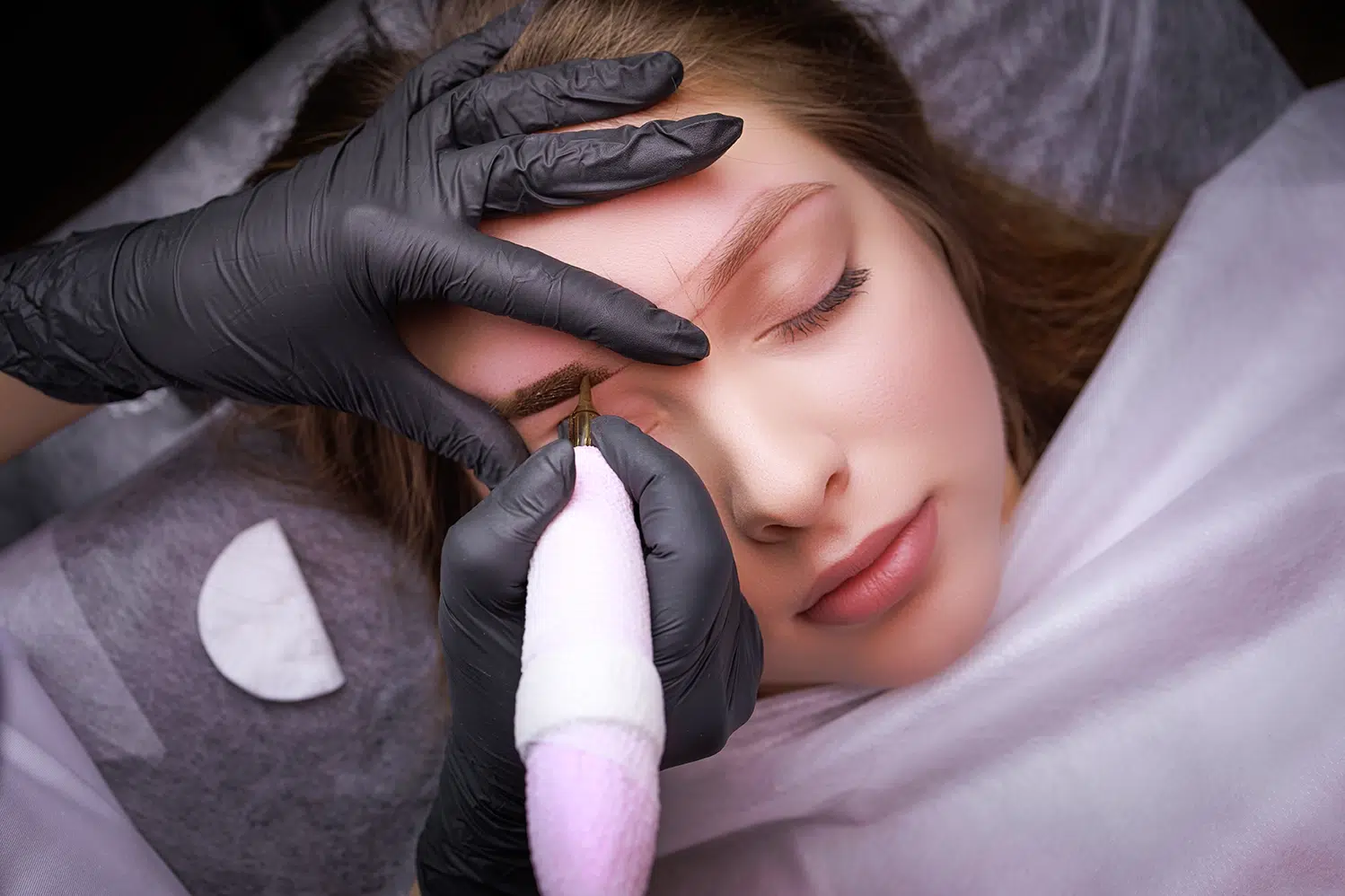
Eyebrow tattooing has become one of the most popular beauty treatments in recent years, and it’s easy to see why. For anyone tired of pencilling in sparse or uneven brows every single morning, a semi-permanent or permanent solution can be a genuine game-changer.
But before booking an appointment, it’s worth understanding exactly what the procedure involves, how it differs from other brow treatments, and what to expect during the healing process.
This article breaks down everything you need to know about eyebrow tattoos, from the different techniques available to aftercare tips and how to choose a qualified technician.
What Is an Eyebrow Tattoo?
An eyebrow tattoo is a cosmetic procedure that deposits pigment into the skin to create the appearance of fuller, more defined brows.
Unlike a traditional body tattoo, which uses ink placed deep into the dermis for a permanent result, eyebrow tattooing techniques vary in depth and longevity depending on the method used.
The treatment is popular among people who have:
- Sparse or thin eyebrows due to genetics, ageing, or over-plucking
- Alopecia or other conditions that cause hair loss
- Scarring from previous accidents or surgery
- A desire to save time on their daily makeup routine
- Uneven or asymmetrical brow shape they’d like corrected
Types of Eyebrow Tattooing Techniques
There are a few different methods that fall under the “eyebrow tattoo” umbrella, and it’s important to understand the distinctions because each offers a different finish, healing time, and longevity.
Microblading
Microblading uses a handheld tool with fine needles to create hair-like strokes in the skin. The pigment sits in the upper layer of the dermis, which is why it fades faster than machine-based methods, typically lasting between twelve and eighteen months. This technique is popular for its natural, feathered finish.
Machine Shading (Ombré or Powder Brows)
This method uses a tattoo machine to deposit pigment in small dots, creating a soft, powdered effect similar to filled-in makeup. It tends to last longer than microblading, often up to two or three years, and suits those wanting a fuller, more defined look.
Combination Brows
As the name suggests, this technique blends hand-stroke methods with machine shading to achieve a natural yet fuller result, offering the best of both worlds for many clients.
Traditional Permanent Makeup Tattoo
This older method uses a machine to implant pigment deeper into the skin for a longer-lasting, more solid result. It generally has the longest lifespan but can sometimes fade to an unnatural colour over time, such as blue or grey undertones.
What Happens During the Procedure?
Most eyebrow tattoo appointments follow a similar process, regardless of technique:
- Consultation – The technician discusses your desired shape, colour, and expectations, often mapping out the brow using a pencil beforehand.
- Numbing – A topical anaesthetic is applied to minimise discomfort during the treatment.
- Pigment matching – The artist selects a pigment shade that complements your skin tone and natural hair colour.
- Tattooing – Using either a manual blade or a machine, the technician creates strokes or shading to build the brow shape.
- Aftercare instructions – You’ll be given a guide on how to care for your brows while they heal.
Many people are surprised by how detailed and visual this process can be. One helpful YouTube video from InStyle documents a real client’s full eyebrow tattoo procedure and healing journey, offering a realistic look at what to expect from start to finish.
Healing and Aftercare
Proper aftercare is essential for achieving the best results and avoiding infection. General guidelines include:
- Avoid getting the brows wet for the first seven to ten days
- Refrain from applying makeup directly to the brow area during healing
- Avoid swimming, saunas, and excessive sweating for at least two weeks
- Do not pick or scratch at any scabbing, as this can cause pigment loss
- Apply the recommended healing balm as instructed by your technician
- Stay out of direct sunlight and avoid tanning during the recovery period
Colours typically appear darker and more intense in the days immediately following treatment before softening as the skin heals, usually over four to six weeks.
A touch-up appointment is generally recommended around this time to perfect the shape and refine any patchy areas.
Choosing a Qualified Technician
Because eyebrow tattooing is an invasive cosmetic procedure, the qualifications and hygiene standards of your chosen technician matter enormously. Poor technique can result in uneven brows, infection, or pigment that heals an unwanted colour.
When researching a salon or artist, consider the following:
- Ask to see a portfolio of healed results, not just freshly done brows
- Check reviews and testimonials from previous clients
- Confirm the studio follows proper sterilisation and hygiene protocols
- Ensure the technician is appropriately trained and certified
- Ask about the pigments used and whether they’re suitable for your skin type
For those interested in becoming a technician themselves, enrolling in a recognised eyebrow tattooing course is essential.
Proper training covers everything from skin anatomy and colour theory to hygiene standards and hands-on technique, ensuring practitioners can deliver safe, professional results for their clients.
Who Should Avoid Eyebrow Tattooing?
While generally safe, eyebrow tattooing isn’t suitable for everyone. You may need to avoid or postpone treatment if you are:
- Pregnant or breastfeeding
- Prone to keloid scarring
- Currently taking blood-thinning medication
- Dealing with active skin conditions in the brow area, such as eczema or psoriasis
- Undergoing chemotherapy or other treatments that affect the immune system
Always disclose your full medical history to your technician during the consultation so they can advise whether the treatment is appropriate for you.
Final Thoughts
Eyebrow tattooing offers a convenient, long-lasting solution for anyone wanting fuller, more defined brows without the daily hassle of makeup.
With various techniques available, from the natural finish of microblading to the fuller look of powder brows, there’s an option to suit most preferences and lifestyles.
That said, the results depend heavily on the skill and experience of the technician performing the treatment.
Taking the time to research your options, ask the right questions, and choose a reputable, qualified professional will go a long way towards achieving brows you’ll love for years to come.


