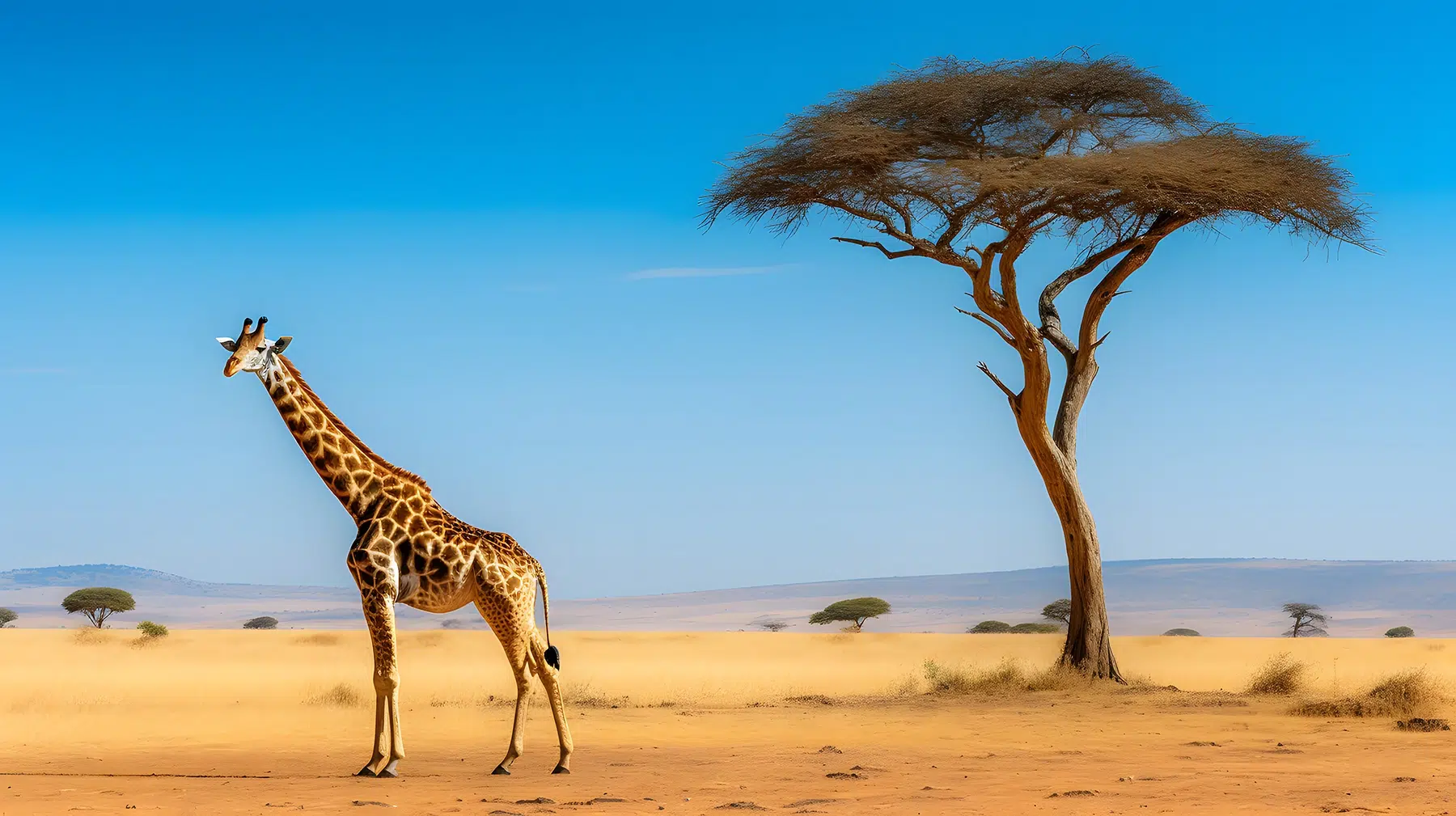
Wildlife photography is one of the most rewarding yet challenging genres of photography. It combines patience, technical skill, and a deep respect for the natural world to produce images that tell powerful stories about the animals and landscapes we share our planet with.
Whether you’re photographing kangaroos in the Australian outback or birds in your local wetlands, this guide will help you understand the fundamentals of capturing stunning wildlife images.
What Is Wildlife Photography?
Wildlife photography is the practice of documenting animals in their natural habitats, often without disturbing their behaviour.
Unlike studio or portrait photography, wildlife photography relies heavily on unpredictable conditions, animal movement, and environmental factors.
Photographers must be prepared to adapt quickly, as a perfect shot can present itself and disappear within seconds.
This genre has grown enormously in popularity, partly due to advances in camera technology and partly due to a rising public interest in conservation and the natural environment.
Many photographers now use their work to raise awareness about endangered species and habitat loss, making wildlife photography as much about storytelling as it is about technical mastery.
Essential Equipment for Wildlife Photography
Getting started in wildlife photography doesn’t require the most expensive gear, but certain equipment will significantly improve your results.
- Camera body: A camera with fast autofocus and a high frame rate is ideal for capturing fast-moving subjects.
- Telephoto lens: A lens in the range of 300mm to 600mm allows you to photograph animals from a safe and respectful distance.
- Tripod or monopod: Stability is crucial, especially when using heavier telephoto lenses for extended periods.
- Camouflage or neutral clothing: Blending into your surroundings reduces the chance of startling wildlife.
- Weatherproof bag: Protects your gear from dust, rain, and humidity while you’re out in the field.
While professional-grade equipment can help, many stunning images have been captured with modest setups. What matters most is understanding your gear thoroughly and knowing how to use it under pressure.
Mastering Camera Settings
Wildlife photography often demands quick thinking when it comes to camera settings, since animals rarely wait around for the “perfect” moment.
- Shutter speed: Use a fast shutter speed (1/1000s or faster) to freeze movement, particularly for birds in flight or running mammals.
- Aperture: A wide aperture (low f-number) helps isolate your subject from a busy background by creating a shallow depth of field.
- ISO: Adjust ISO based on lighting conditions, but be mindful of noise in low-light situations.
- Continuous autofocus: Enable this mode (often labelled AF-C or AI Servo) to track moving subjects accurately.
- Burst mode: Shooting in bursts increases your chances of capturing the perfect frame during unpredictable action.
Understanding the relationship between these settings, known as the exposure triangle, is fundamental to producing sharp, well-exposed images in varying light conditions.
Field Techniques and Ethical Practices
Technical skill alone isn’t enough to produce compelling wildlife images. Successful photographers spend considerable time researching animal behaviour, understanding habitats, and practising patience.
- Research your subject: Learn about feeding patterns, mating seasons, and typical habitats before heading out.
- Arrive early or stay late: Golden hour light, just after sunrise and before sunset, produces the most flattering natural lighting.
- Maintain a respectful distance: Never approach, feed, or provoke wildlife to get a shot. Ethical photography prioritises the animal’s welfare over the image.
- Practice patience: Some of the best wildlife images take hours, or even days, of waiting for the right moment.
- Move slowly and quietly: Sudden movements or loud noises can startle animals and ruin your chances of a natural shot.
Organisations and photography bodies around the world increasingly emphasise ethical guidelines, encouraging photographers to prioritise animal welfare above securing a particular shot.
Composition Tips for Striking Images
Good composition can transform a technically sound photo into a genuinely captivating one.
- Rule of thirds: Position your subject off-centre to create a more dynamic and visually interesting frame.
- Eye contact: Images where the animal’s eyes are sharp and engaging tend to draw viewers in.
- Negative space: Leaving empty space in the direction the animal is facing or moving can add a sense of narrative to the image.
- Background awareness: A cluttered or distracting background can pull attention away from your subject, so choose your shooting angle carefully.
Learning from the Experts
If you’re keen to build your skills further, watching experienced photographers explain their techniques can be incredibly valuable. This video, 10 Wildlife Photography Tips That Instantly Improve Your Photos, offers practical, field-tested advice that complements the fundamentals covered in this article.
For those who want structured, in-depth training, enrolling in a wildlife photography course can accelerate your learning significantly.
A well-designed course covers everything from camera settings and field craft to ethical practices and post-processing, giving you a solid foundation to build your skills with confidence.
Post-Processing Considerations
Editing plays an important role in wildlife photography, though it should enhance rather than misrepresent the natural scene.
- Adjust exposure and contrast: Fine-tune your image to bring out detail in shadows and highlights.
- Sharpen selectively: Apply sharpening to the subject, particularly the eyes, while keeping the background softer.
- Crop thoughtfully: Cropping can improve composition, but avoid excessive cropping that reduces image quality.
- Maintain authenticity: Avoid heavy manipulation that alters the natural appearance of the animal or its habitat.
Final Thoughts
Wildlife photography is a rewarding pursuit that blends technical skill, patience, and genuine appreciation for the natural world.
It requires ongoing learning, an understanding of animal behaviour, and a commitment to ethical practices that prioritise wildlife welfare over the perfect shot.
Whether you’re just starting out with a basic camera setup or looking to refine advanced techniques, every outing into nature offers an opportunity to improve and capture something truly memorable.
By combining the right equipment, thoughtful camera settings, ethical field practices, and a good eye for composition, you’ll be well on your way to creating powerful wildlife images that celebrate the beauty and diversity of the animal kingdom.