
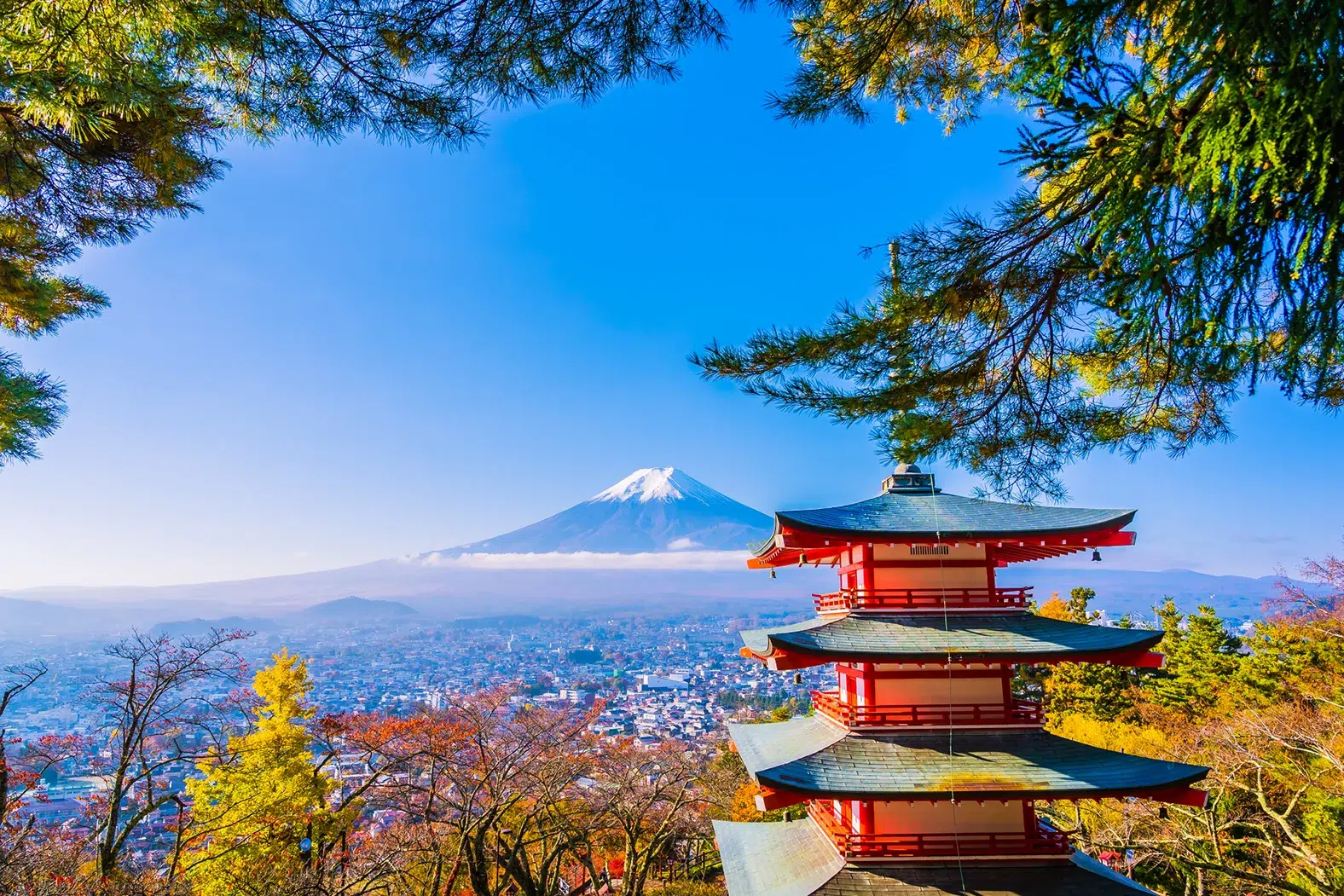
Tokyo can feel overwhelming for first-time visitors, but it’s also one of the most rewarding cities you’ll ever experience. This sprawling metropolis seamlessly blends ancient traditions with cutting-edge technology, creating an atmosphere unlike anywhere else on Earth. Whether you’re arriving for business, pleasure, or a bit of both, understanding the basics will help you navigate this incredible city with confidence.
Getting There and Arriving Prepared
Your journey to Japan’s capital sets the tone for your entire trip. If you’re planning a significant visit or want to arrive refreshed and ready to explore, consider upgrading your flight to business class to Tokyo, as the long-haul journey from most Western cities can be taxing. Many travelers find that arriving well-rested makes a substantial difference in combating jet lag.
Once you land at Narita or Haneda Airport, you’ll need to navigate your way into the city. Haneda is closer to central Tokyo and often more convenient, while Narita offers more international connections. Both airports have excellent train connections, including the Narita Express and the Airport Limousine Bus, which can get you to major hotels and districts efficiently.
Understanding Tokyo’s Transportation System
Tokyo’s train and subway network is legendary for its efficiency, cleanliness, and punctuality. However, it can seem intimidating at first glance with multiple operators and countless lines crisscrossing the city. The good news is that it’s far more manageable than it appears.
Get yourself a Suica or Pasmo card immediately upon arrival. These rechargeable IC cards work on virtually all trains, subways, and buses throughout Tokyo, and you can even use them at convenience stores and vending machines. Google Maps works exceptionally well for navigation in Tokyo, providing accurate train schedules and route suggestions that locals themselves rely on.
Don’t be afraid to travel during rush hour if necessary, but be prepared for crowded conditions. Trains run from around 5 AM until midnight, after which you’ll need to rely on taxis or wait until service resumes.
Navigating the Language Barrier
English signage has improved dramatically in Tokyo, especially since the 2020 Olympics preparations, but you’ll still encounter situations where Japanese is the only option. Don’t let this discourage you from exploring beyond tourist areas.
Download a translation app before your trip. Google Translate’s camera feature can instantly translate signs, menus, and written text, which proves invaluable in restaurants and shops. Learning a few basic phrases like “sumimasen” (excuse me), “arigato gozaimasu” (thank you very much), and “eigo ga wakarimasu ka?” (do you understand English?) goes a long way in showing respect.
Most younger Japanese people have studied English and may be able to help, though many feel shy about speaking it. Be patient, speak clearly, and always show appreciation for any assistance offered.
Money Matters and Payment Methods
Japan remains surprisingly cash-dependent compared to other developed nations. While credit cards are increasingly accepted at major establishments, many smaller restaurants, shops, and even some hotels prefer cash. Always carry sufficient yen with you.
Seven Bank ATMs, found in 7-Eleven convenience stores throughout the city, accept most international cards and offer English language options. Withdrawing larger amounts less frequently helps minimize fees. The exchange rate at these ATMs is typically fair, making them more convenient than airport currency exchanges.
That said, contactless payment is growing rapidly. Many places now accept IC cards, and some tourist areas accept mobile payments. Still, cash remains king in neighborhood restaurants and traditional establishments.
Cultural Etiquette Essentials
Japanese culture values harmony, respect, and consideration for others. Understanding basic etiquette helps you avoid awkward situations and shows respect for your hosts.
Keep your voice down in public spaces, especially on trains. Phone conversations on public transportation are considered rude. When eating, never stick your chopsticks upright in rice, as this resembles a funeral ritual. Tipping is not practiced and can actually cause confusion or offense.
Bowing is a common greeting, though a simple nod or smile works fine for tourists. Remove your shoes when entering homes, traditional restaurants, and some temples. Look for the genkan (entrance area) or follow what others do.
Making the Most of Your Visit
Tokyo rewards exploration and spontaneity. While famous sites like Senso-ji Temple, Shibuya Crossing, and the Tokyo Skytree deserve visits, some of your best memories will come from wandering neighborhood streets, discovering tiny ramen shops, and stumbling upon local festivals.
Plan your days by area to maximize your time, as Tokyo is vast. Accept that you can’t see everything in one trip, and that’s perfectly fine. This gives you an excellent excuse to return to this captivating city that somehow feels both foreign and welcoming at the same time.


