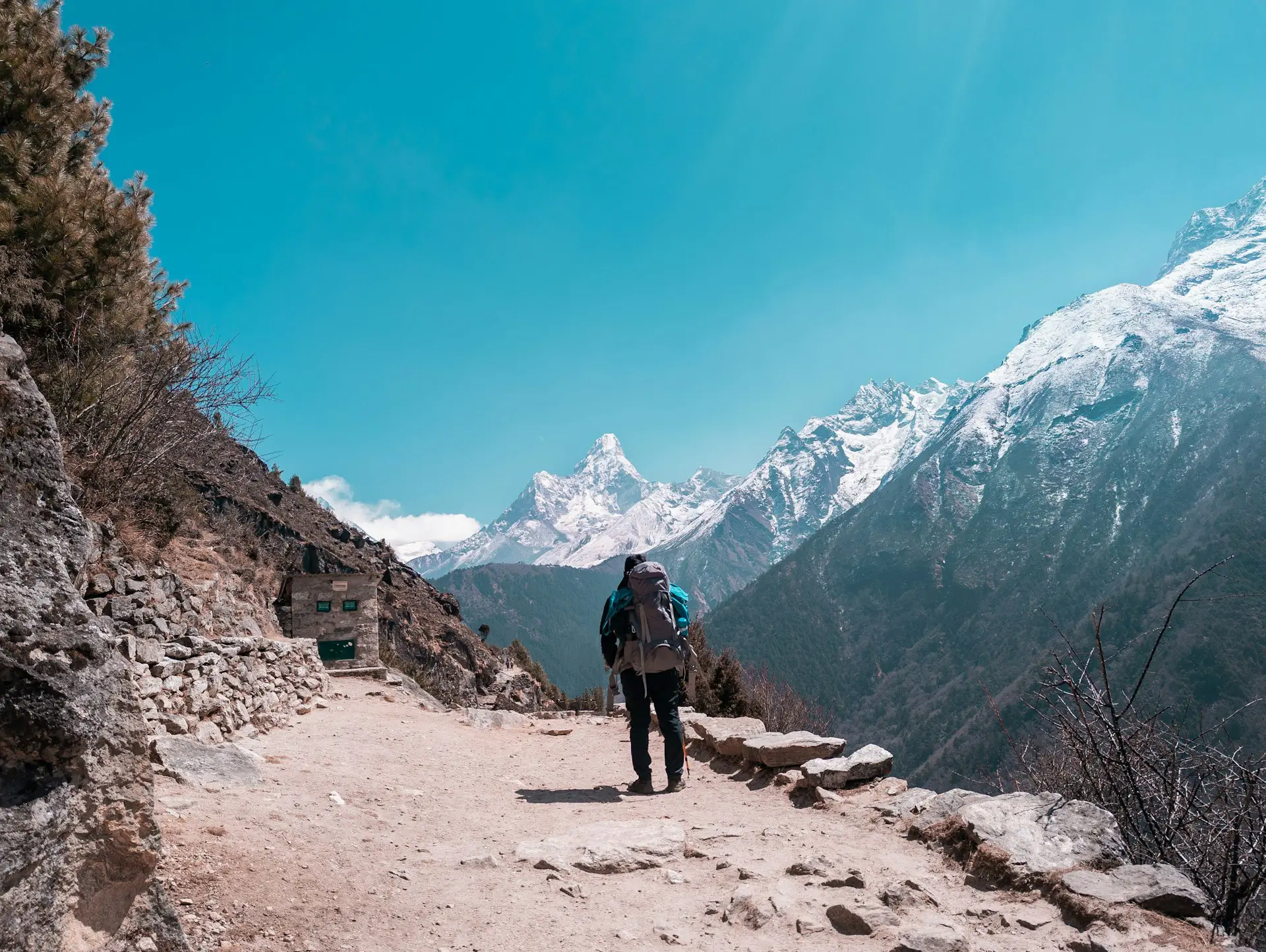
When people think of the Himalaya, towering mountains are usually the first images that come to mind. Mount Everest, snowy ridges, high mountain passes, and winding trekking trails have made the region one of the world’s most famous adventure destinations.
But the Himalaya is much more than its mountains.
Behind the famous peaks are centuries-old cultures, remote villages, ancient monasteries, distinctive architecture, local food, colorful festivals, and communities whose lives have been shaped by the mountains for generations.
A journey through the Himalaya can therefore become much more than a trek. It can be a journey through living heritage, from the Sherpa communities of Everest to the culturally diverse villages of Annapurna, the Tibetan-influenced settlements of Manaslu, the high plateau of Tibet, and the traditional valleys of Bhutan.
Everest: Where Adventure Meets Tradition
For many travelers, the journey begins with the dream of reaching Everest.
The Everest Base Camp Trek is famous for its spectacular scenery, but the trail also offers a close look at the culture of the Khumbu region, home to the Sherpa people.
As trekkers move through villages such as Namche Bazaar and Tengboche, the landscape becomes filled with prayer flags, mani stones, chortens, prayer wheels, and Buddhist monasteries.
Tengboche Monastery is one of the most important cultural landmarks along the route. Set against a dramatic Himalayan backdrop, it provides a glimpse into the Buddhist traditions that have shaped mountain life in the region.
Yet Sherpa culture is about much more than mountaineering.
Their language, festivals, religious traditions, food, architecture, and community life are all part of the identity of the Everest region. Spending time in local villages can reveal a side of the Himalaya that cannot be seen from a mountain viewpoint.
The Villages Behind the Famous Trails
One of the most rewarding aspects of Himalayan travel is discovering the communities along the way.
Mountain villages may appear small, but they often have long histories. Traditional houses are built according to the local climate and available materials, while farming terraces reflect generations of adaptation to steep terrain.
Tourism has also become an important part of life in many trekking regions. Families operate teahouses, local guides lead visitors through the mountains, and small businesses provide food, accommodation, transport, and supplies.
For travelers, these villages provide opportunities to experience everyday Himalayan life rather than simply passing through a famous landscape.
A conversation with a local host over a cup of tea can sometimes become one of the most memorable moments of an entire trek.
Manaslu: A Quieter Cultural Experience
If Everest represents the best-known face of Himalayan trekking, Manaslu offers a more remote perspective.
The Manaslu Circuit Trek takes travelers through dramatic mountain scenery and traditional settlements where Tibetan Buddhist influences are particularly visible in the higher valleys.
Along the trail, visitors encounter mani walls, chortens, prayer flags, monasteries, suspension bridges, and villages surrounded by steep mountains.
The cultural experience changes as the trail climbs.
Lower areas are strongly connected with Nepal’s broader hill culture, while higher settlements reveal stronger Tibetan influences in architecture, religion, and daily life.
This combination of landscape and culture gives the Manaslu region a distinctive character.
Annapurna: A Meeting Place of Cultures
The Annapurna region offers yet another side of Nepal.
What makes the area especially interesting is its cultural diversity. Different communities live across the valleys and mountain slopes, each with their own traditions, languages, food, architecture, and religious practices.
The Annapurna Base Camp Trek is therefore not simply a journey toward a spectacular mountain sanctuary.
The trail passes through villages, forests, terraced farmland, and local communities where travelers can observe different ways of life.
In some areas, Hindu traditions are prominent, while higher settlements show stronger Buddhist influences. This changing cultural landscape makes the Annapurna region particularly rewarding for travelers who want to combine trekking with cultural discovery.
Food: A Taste of Mountain Life
Food is one of the easiest ways to connect with a destination.
In Nepal, dal bhat remains a staple of everyday life, while momo, thukpa, soups, breads, pickles, and regional dishes provide plenty of variety for travelers.
Mountain cuisine is often shaped by climate and geography. In colder areas, warm soups, noodles, Tibetan-style bread, and butter tea are common parts of local food culture.
The same principle can be seen across the Himalaya.
Tibetan cuisine reflects the conditions of the high plateau, while Bhutanese food has its own distinctive character, with rice, vegetables, cheese, and chili playing important roles.
For travelers, trying local food is not simply about finding something new to eat.
It is a way of understanding how people live.
A simple meal in a village can reveal the influence of climate, agriculture, trade, and history on everyday life.
Monasteries and the Spiritual Heritage of the Himalaya
Across the Himalayan region, monasteries are among the most recognizable symbols of cultural heritage.
Their importance, however, goes far beyond their appearance.
Many remain active religious and community centers. They preserve religious traditions, artwork, ceremonies, music, and knowledge that have been passed between generations.
Travelers may see colorful murals, statues, prayer wheels, incense, manuscripts, and elaborate decorations inside these monasteries.
Understanding their meaning makes the experience much richer.
A knowledgeable local guide can explain the stories behind religious symbols, describe local customs, and help visitors understand how these places connect with the communities around them.
This is also why cultural respect is important. A monastery is not simply a tourist attraction; for local people, it may be a deeply important place of worship.
Tibet: Culture on the High Plateau
Beyond Nepal, the landscape changes dramatically as the journey reaches Tibet.
The Tibetan Plateau is vast, remote, and remarkably beautiful. High-altitude lakes, enormous mountains, open plains, monasteries, and traditional settlements create a landscape unlike anywhere else in the world.
Tibetan Buddhist heritage is visible throughout the region, particularly in monasteries, temples, religious art, prayer wheels, and pilgrimage traditions.
But Tibetan culture extends beyond religion.
Food, language, music, clothing, traditional crafts, family life, and nomadic heritage all contribute to the identity of the region.
Travelers taking Viajes al Tíbet can therefore discover not only its religious heritage but also the everyday culture that has developed in one of the world’s most highly inhabited environments.
The landscape itself is also an important part of Tibetan cultural identity. Mountains, lakes, and other natural features may carry spiritual significance, creating a close relationship between geography and belief.
Bhutan: Preserving Himalayan Heritage
Further east, Bhutan offers another distinctive cultural experience.
The country is known for its Buddhist heritage, mountain valleys, monasteries, dzongs, traditional architecture, and strong emphasis on cultural preservation.
The impressive dzongs, fortress-like structures combining religious and administrative functions, are among Bhutan’s most recognizable landmarks.
But Bhutanese heritage can also be found in ordinary life.
Traditional clothing, village architecture, farming practices, food, music, and festivals remain important parts of the country’s identity.
Travelers taking Viajes a Bután can experience a destination where traditional culture remains closely connected with everyday life rather than existing only inside museums or historic sites.
Festivals That Bring Communities Together
Festivals are another important part of Himalayan culture.
Throughout Nepal, Tibet, and Bhutan, religious and seasonal celebrations bring people together through music, food, prayers, dances, and traditional ceremonies.
In Buddhist communities, colorful masked dances and monastery festivals can be particularly fascinating. Nepal’s diverse population also celebrates a wide range of Hindu, Buddhist, and indigenous festivals.
These celebrations provide travelers with a glimpse into traditions that have survived for generations.
But the best way to experience them is with respect. Travelers are visitors to someone else’s cultural and religious celebration, and understanding local customs is more important than simply taking photographs.
The People Are the Real Heritage
The Himalaya’s greatest heritage may not be found in its monuments at all.
It can be found in its people.
Farmers continue to cultivate steep terraces. Families run mountain teahouses. Guides and porters work along remote trekking routes. Monks maintain religious traditions. Craftspeople preserve traditional skills.
These communities have learned to live with the mountains rather than simply travel through them.
Their homes, food, festivals, clothing, religious practices, and daily routines all reflect that relationship.
For travelers, meeting local people respectfully can turn an ordinary trekking experience into something much more meaningful.
Traveling the Himalaya With Local Knowledge
The deeper cultural side of the Himalaya is not always easy to understand from guidebooks alone.
A local guide can explain why a monastery is important, introduce travelers to local food, describe village traditions, and help visitors communicate with communities along the trail.
For Spanish-speaking travelers, language can make this experience even more accessible.
Viajes a Nepal offers Spanish-language travel experiences for travelers interested in exploring
Beyond the Mountains
The Himalaya may attract travelers with its peaks, but its culture gives those journeys meaning.
A trek through Everest is also an encounter with Sherpa heritage.
A journey through Manaslu reveals remote communities and Tibetan-influenced traditions.
Annapurna introduces travelers to one of Nepal’s most diverse cultural landscapes.
Tibet offers a vast high-altitude world shaped by its own distinctive heritage.
Bhutan presents another expression of Himalayan tradition, where architecture, religion, festivals, and daily life remain closely connected.
Each destination is different, yet all demonstrate the powerful relationship between people and mountains.
That is what makes traveling through the Himalaya so memorable.
The best journey is not necessarily the one that reaches the highest point or takes the most photographs. Sometimes it is the one that leaves travelers with a better understanding of the people they met, the food they tasted, the traditions they witnessed, and the stories behind the landscapes they crossed.
The mountains may be the beginning of the journey.
But culture is what makes the journey worth remembering.
Frequently Asked Questions
- What is the Himalaya known for besides mountains?
The region is also known for its diverse cultures, traditional villages, monasteries, festivals, local food, and unique mountain communities. - Can I experience local culture while trekking in Nepal?
Yes. Everest, Manaslu, and Annapurna trekking routes all pass through villages and culturally significant areas. - What kind of food can travelers try in the Himalaya?
Popular dishes include dal bhat, momo, thukpa, Tibetan-style bread, soups, butter tea, and various regional specialties. - Can I combine a Nepal trek with Tibet or Bhutan?
Yes. Depending on your itinerary and travel requirements, Nepal trekking can be combined with cultural journeys in Tibet or Bhutan. - Is there Spanish-language travel support in the Himalaya?
Yes. Viajes a Nepal provides Spanish-language travel experiences covering trekking in Nepal as well as journeys to Tibet and Bhutan.