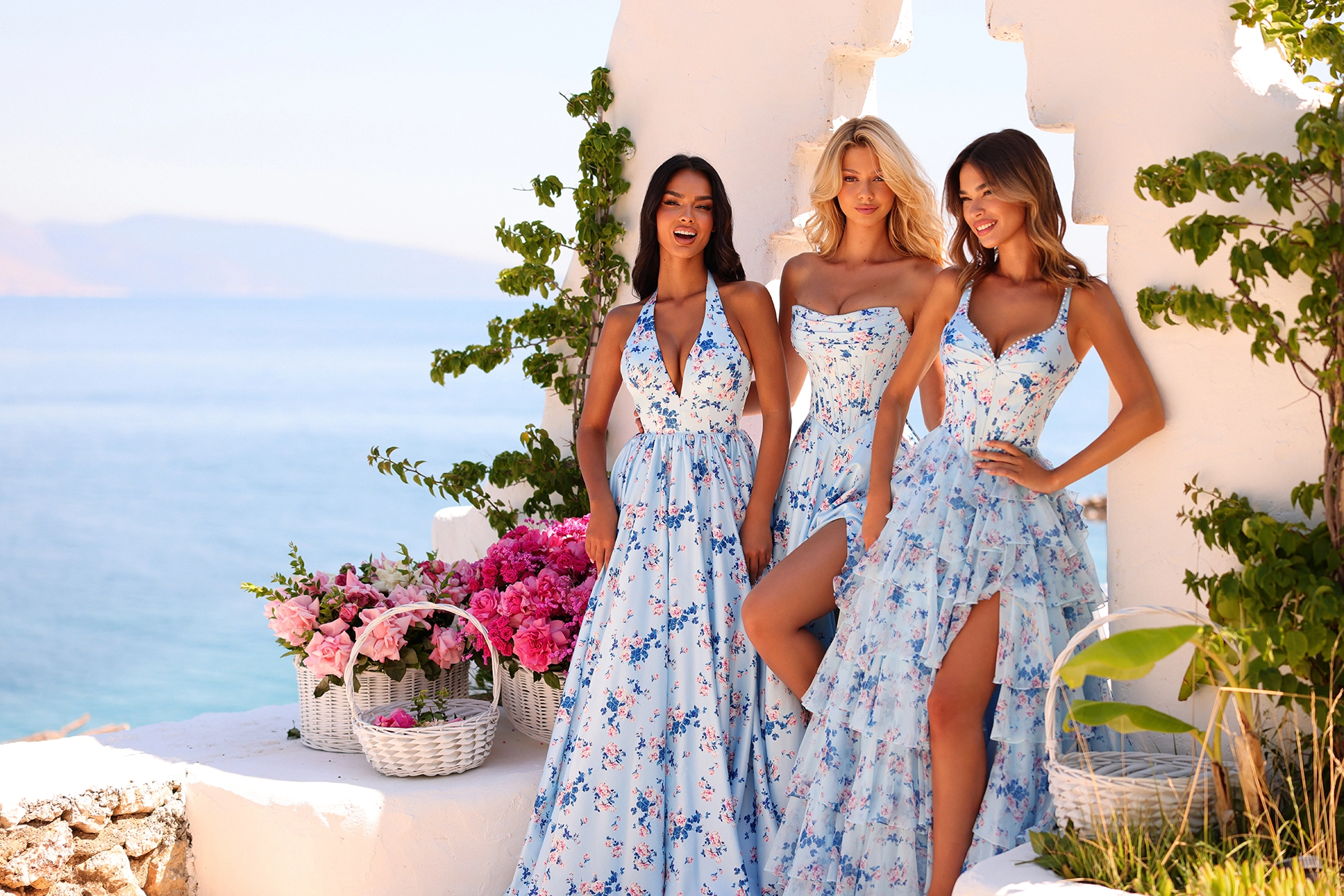
Gala season rewards planning more than spending. The best-dressed guest in the room is usually the one who ordered early, not the one who paid the most.
This is the practical architecture behind a great evening look: what couture actually means, how to read a dress code, the calendar an alterations tailor needs, and which fabrics survive a step-and-repeat.
What Actually Counts as Couture?
Less than most people assume. In France, the term is legally protected, and The Fashion Law reports that the Fédération française de la couture sets the criteria, first established in 1945 and revised in 1992.
The requirements are specific: an atelier with at least 15 full-time staff plus 20 full-time technical workers, a collection presented twice a year in January and July, and made-to-order clothes for private clients with more than one fitting per design. Everything else, however beautiful, is eveningwear.
Where Do You Find That Look Without Couture Pricing?
From designers who build gowns the same way at a fraction of the cost: hand-applied beading, boned bodices, trains and real linings. The construction is what reads as expensive, not the label.
Amarra — formal and prom dresses — is one of the labels working in that territory, with couture evening gowns in sizes 000 to 16 across 49 styles. Expect sequins, sheer beaded bodices, thigh-high slits and flared trains rather than atelier made-to-measure.
How Do You Decode a Gala Dress Code?
Read it literally, then check the venue. White tie means a full-length gown with gloves optional, black tie means floor-length or a formal midi, and black-tie optional gives you permission to wear a dark cocktail dress.
Creative black tie is the one that trips people up. It invites color, texture, and an unexpected silhouette, but not a shorter hem, so treat it as black tie with personality rather than a relaxation of the rule.
How Far Ahead Should You Order a Gown?
Ten to twelve weeks for a special order, and four to six for something in stock you still need altered. Designer gowns are usually cut to order, so the production window is the part that catches people out.
Build in a buffer for the season itself. Between late autumn benefit season and awards season, the best alteration tailors book out, and a rushed hem is visible from the second row.
How Many Fittings Does a Gown Really Need?
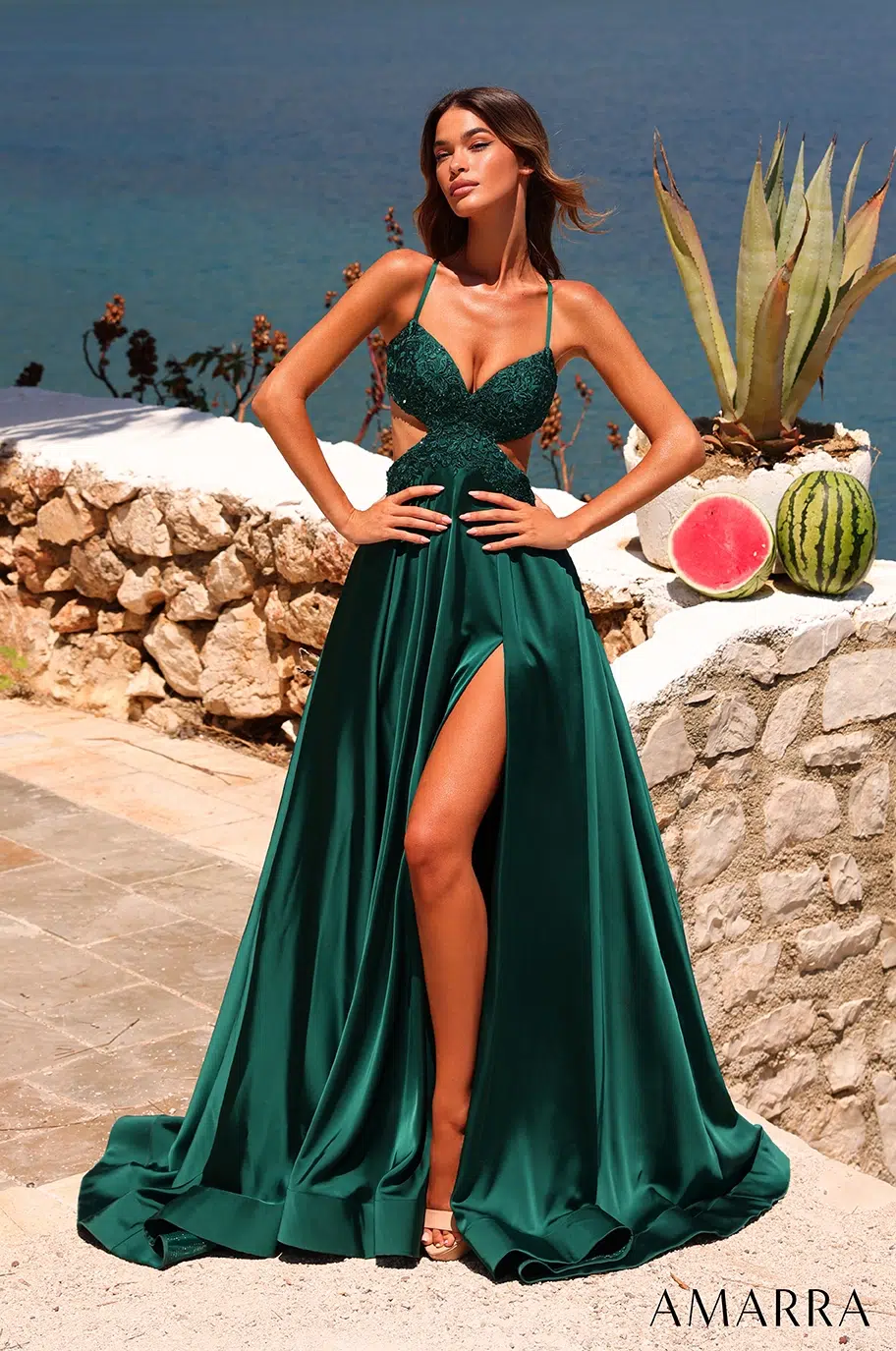
Two for a simple gown, three if there is beading along the seams. Each one should be about a week apart so the tailor has time to work between them.
Bring the shoes, the undergarments and the jewelry to the first fitting. Hem length is set to heel height, and a heavy necklace changes how a neckline sits more than people expect.
Which Fabrics Photograph Best Under Gala Lighting?
Duchess satin, silk jacquard, beaded mesh, and sequins, because they all carry their own light. Matte crepe and velvet look extraordinary in the room and can flatten under direct flash.
Avoid thin, pale jerseys anywhere there will be photographers. A lined gown in a structured fabric holds its line through a long evening of sitting, standing, and being photographed from below.
What Are the Defining Silhouettes This Season?
Drop waists, draping, and heavy silks. Who What Wear named silk jacquard, satin taffeta, fringe, and drop-waist draping among the fall 2026 dress trends, citing Alaïa, Chanel, The Row, Gucci and Altuzarra.
The drop waist is the one worth knowing for an event. Stylist Coco Schiffer told the publication it makes even a simple dress feel more intentional, which is exactly what a gala gown has to do.
How Should You Approach Jewelry and Outerwear?
Let the gown decide. A plunging or strapless neckline takes a statement necklace, while a high neck or beaded bodice is better served by earrings alone.
Outerwear is the detail most guests forget. A tailored evening coat, a cape, or a fine wool wrap photographs far better on arrival than an everyday coat carried over one arm.
Can You Wear the Same Gown Twice?
Yes, and increasingly people do. Change the jewelry, the shoes and the hair, and add or remove a detachable overskirt or cape, and the gown reads differently in photographs.
Keep a simple record of where each gown has been worn. For anyone whose events are photographed, that is the only real constraint on repeating one.
Which Labels Should You Compare?
These five turn up most often at galas and benefits below couture pricing. Figures below are full retail at designer retailer Couture Candy, checked at the time of writing; Terry Costa and Lulus also stock several of these labels, and Faviana gowns run about $298 to $518 in sizes 00–24.
| Brand | Price range | Sizes | Signature | Best for |
| Sherri Hill | About 450–1,298 | 000–26 | Dense beadwork, corset bodices, high slits | Maximum presence in a photograph |
| Amarra | About 450–1,298 | 000–16 | Sequins, sheer beaded bodices, flared trains | A couture look at designer pricing |
| Jovani | About 667–1,199 | 00–24 | Beaded mesh, fitted evening gowns | Traditional, dependable glamour |
| Rachel Allan | About 398–2,098 | Varies by style | Ballgowns, appliqué, embroidery | Volume and full-skirt drama |
| Ashley Lauren | About 298–1,498 | 0–24 | Saturated color, feathers, overskirts | Color and a second look from one gown |
Prices and sizes were checked on each brand’s or retailer’s website at the time of writing and may change.
Sherri Hill — Beadwork Built for the Camera
Sherri Hill is the most recognizable of these labels, built on dense hand-applied beading, corseted bodices, and high slits. Its gowns are engineered to catch light, which is why they turn up so often where there are photographers.
Price range: about 450–1,298 at Couture Candy. Sizes: 000–26. Best for: A gown that reads from the back of the ballroom. Less ideal if: You want restraint.
Amarra — Formal, Prom, and Homecoming Dresses
Amarra — formal, prom, and homecoming dresses. Sizes 000–16. Price range: 450–1,298.
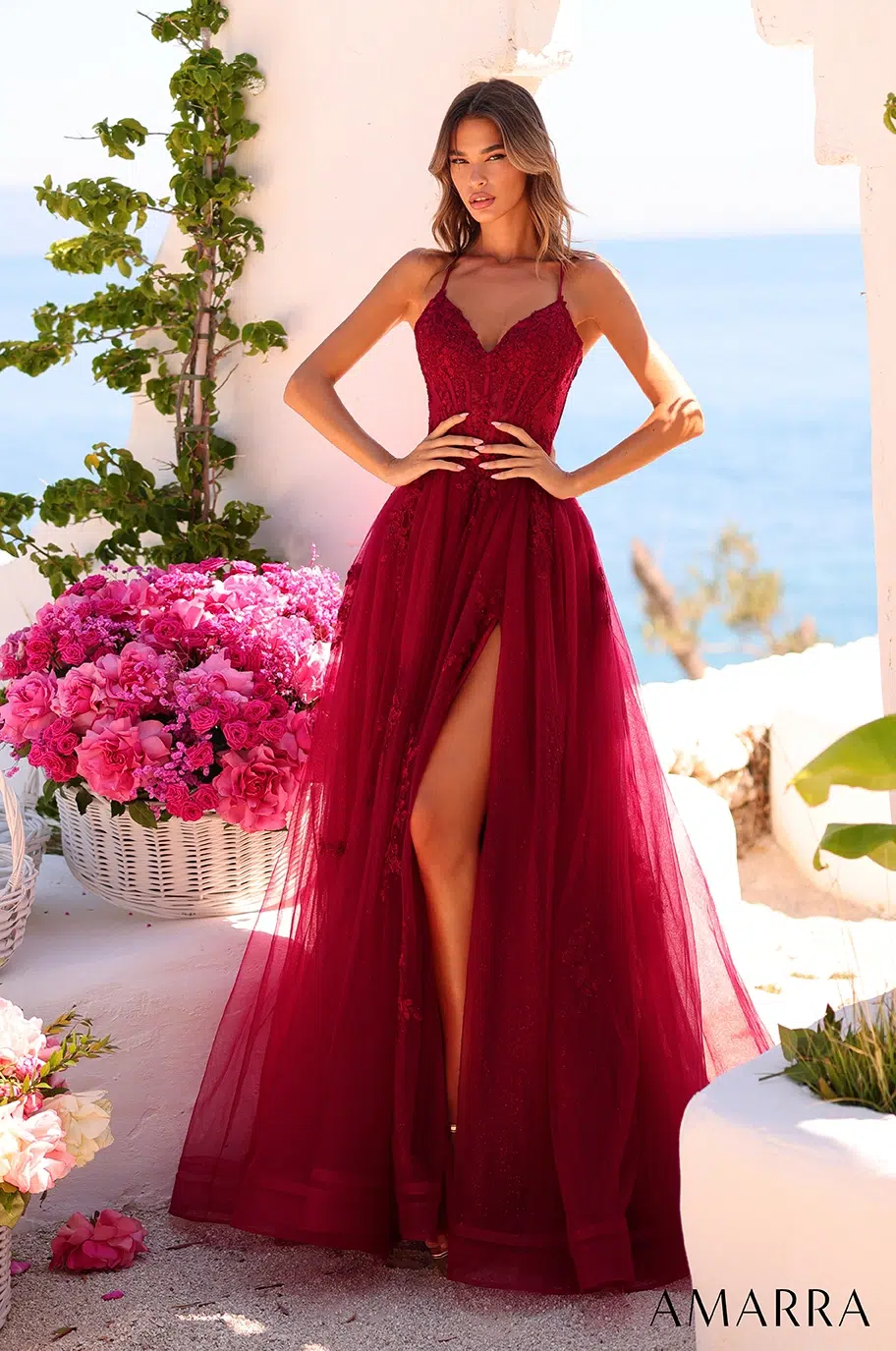
Its couture line runs to 49 styles in emerald, nude, gold, black, red, and royal, with strapless, one-shoulder, off-shoulder, halter, and plunging necklines, plus sequins, sheer beaded panels, tiered tulle, long trains, and a sequined three-piece set. Best for: Comparing one beading story across a mermaid and an A-line. Less ideal if: You need a size above 16, or genuine made-to-measure.
Jovani — Traditional Evening Glamour
Jovani is the conventional choice here, known for beaded mesh, fitted bodices and floor-length hems. If a gala calls for something unmistakably formal and you do not want to think about it, this is the shortest route.
Price range: about 667–1,199 at full price. Sizes: 00–24. Best for: Classic black-tie dressing.
Rachel Allan — Volume and Embroidery
Rachel Allan leans toward ballgowns, appliqué, and heavy embroidery, which makes it the one to consider when the event calls for a full skirt. The range runs from cocktail pieces to elaborately worked gowns.
Price range: about 398–2,098 at Couture Candy. Sizes: vary by style, so check each listing. Best for: Ballgown silhouettes and grand venues.
Ashley Lauren — Color, Feathers and Overskirts
ASHLEYlauren is the most color-driven of the five, with feather trims, ruffles, and detachable overskirts that let one gown photograph two ways in a single evening.
Price range: about 298–1,498 at Couture Candy. Sizes: 0–24. Best for: A strong color without a four-figure spend.
Final Thoughts
Luxury eveningwear is mostly logistics: wearing a beautiful dress. Order ten to twelve weeks out, book three fittings, bring the shoes, and choose a fabric that behaves under a flash.
Whether the gown comes from a Paris atelier, a label like Sherri Hill or Amarra, or the back of your own closet with new jewelry, the fit is what the room will read as expensive.