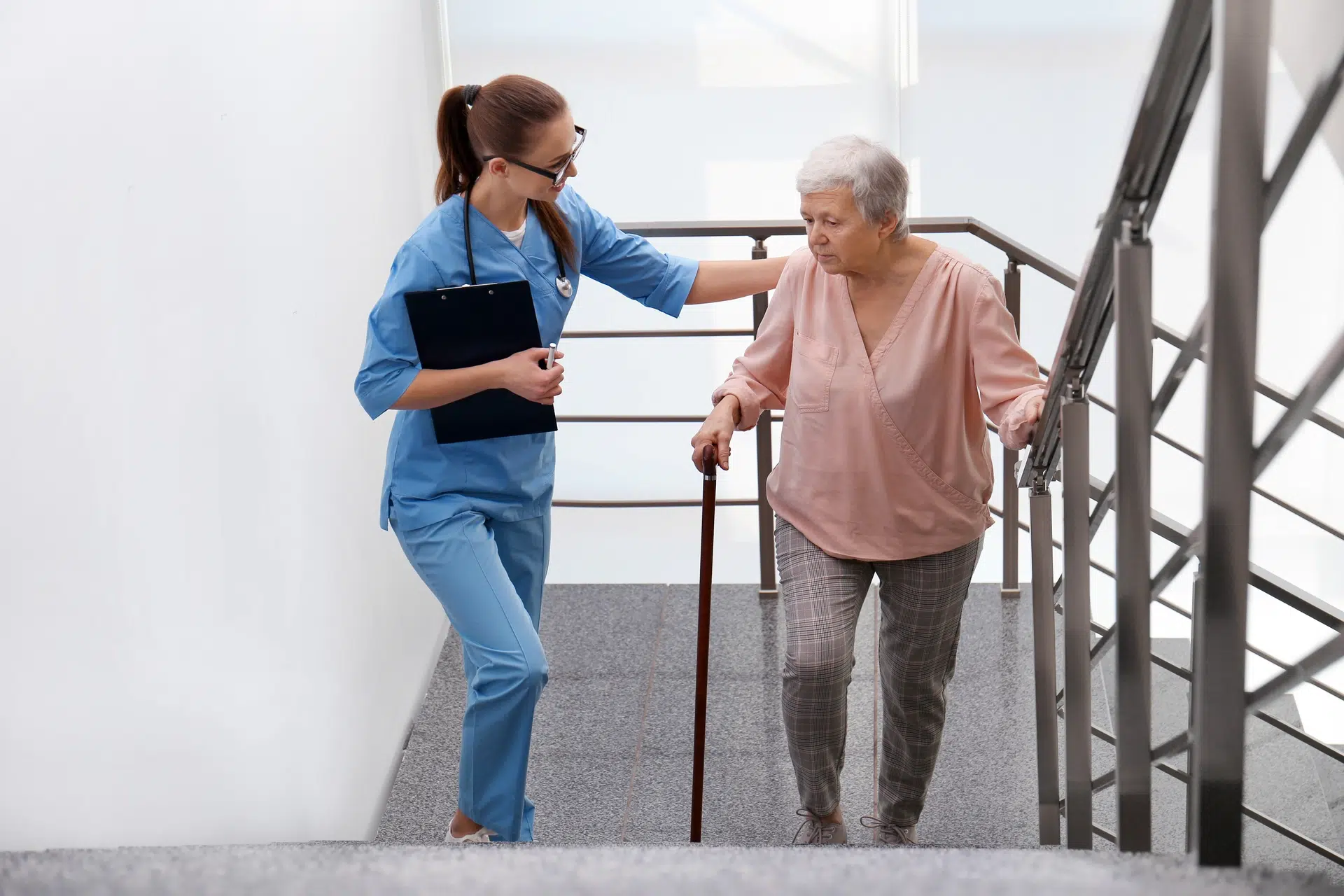
A fall can make a familiar home feel different overnight. The hallway that used to feel simple now looks narrow. The bathroom feels riskier. The stairs become a daily question. A family member who used to stop by once or twice a week may suddenly wonder whether someone needs to be there every day. That change often starts before anyone has a full plan. The hospital is preparing discharge papers. The family is trying to understand medications, mobility limits, follow-up appointments, and what the person can safely do alone. Everyone wants the return home to work, but nobody wants to pretend the house is the same as it was before the fall. That is why families looking at home care after hospital discharge in Haddon Township need to think beyond the ride home. The first few days can reveal whether the person needs short visits, daily help, overnight supervision, or a much larger care plan.
The Fall Is Not Always the Only Problem
A fall may be the event that sends someone to the hospital, but it is rarely the only issue a family has to solve. The fall may expose weakness, medication side effects, poor balance, dehydration, confusion, vision changes, or the fact that the person had already been struggling quietly at home. The family may start noticing details they missed before. The refrigerator is nearly empty. Laundry has piled up. The person is afraid to shower. Mail is unopened. A walker is available, but it is not being used correctly. Nighttime trips to the bathroom feel especially risky. These details matter because the goal after discharge is not only to prevent another fall. It is to understand why the first one happened and what daily routine now needs support.
Why the First Month Home Deserves More Attention
CDC fall-prevention guidance notes that older adults who have had a hospital stay are more likely to experience a fall in the first month after discharge than those who have not been hospitalized. That timing should shape the care plan. The first month home is when the person may still be weak, sore, unsteady, or adjusting to new instructions. They may want to do more than their body is ready to do. They may also avoid asking for help because they do not want to lose independence. Family members can miss risk during this period because everyone is focused on relief. The person is home. The hospital stay is over. The crisis feels finished. But for many households, the real test begins after discharge.
When 24-Hour Home Care Becomes Part of the Conversation
Not every fall leads to around-the-clock care. Some people need short-term help with errands, bathing, meals, and appointments. Others need more coverage because the unsafe moments happen across the whole day and night. A family reviewing 24-hour home care in Haddon Township may be trying to answer a practical question: can this person be left alone safely after the fall? That question should be answered by looking at the full routine. Can they get to the bathroom at night? Can they transfer safely from the bed or chair? Can they prepare food without standing too long? Can they remember new medication instructions? Do they try to walk without the device they were told to use? If the risky moments are not limited to one part of the day, a few check-ins may not cover the real problem.
What Families Should Ask Before Discharge
Hospital discharge can move quickly, so families should ask direct questions before the person leaves. They should ask whether the person can safely walk, transfer, shower, use the bathroom, climb stairs, manage medications, prepare meals, and stay alone. They should also ask what symptoms should trigger a call to the doctor or a return to urgent care. The discharge plan should be specific. “Take it easy” is not enough. Families need to know how much walking is allowed, whether a walker or cane is required, when physical therapy begins, and which tasks need supervision. If the person lives alone, the family should say that clearly. A discharge plan that assumes someone is always nearby may not match the real home situation.
The Home Should Be Checked Before the Routine Resumes
After a fall, the home should be reviewed with fresh eyes. The goal is not to remodel everything immediately. The goal is to remove obvious hazards before the person returns to old habits. Families can look for loose rugs, poor lighting, cluttered walkways, unstable furniture, bathroom hazards, extension cords, uneven thresholds, and items stored too high or too low. Night lights may be needed between the bedroom and bathroom. Grab bars may be safer than towel bars. Frequently used items should be moved within easy reach. The person may resist changes if the home has worked for years. Families can frame the updates as recovery support rather than permanent loss of control. The message is not, “You cannot do anything anymore.” It is, “Let’s make the next few weeks safer while you heal.”
Care After a Fall Is Often About Confidence
Falls can change confidence as much as mobility. A person may become afraid to walk, shower, leave the house, or sleep alone. That fear can lead to less movement, and less movement can lead to more weakness. Home care can help by making daily routines feel possible again. A caregiver may help with morning transfers, bathing, dressing, meal preparation, medication reminders, and safe movement through the house. If overnight risk is the main concern, care may need to include nighttime support. The right amount of help should protect safety without taking over every decision. Many older adults need support most when a task is risky, not constant direction for everything they do.
Questions Families Often Ask
Does every fall mean someone needs 24-hour home care?
No. Some people need short-term help or scheduled visits. Around-the-clock support becomes more relevant when the person cannot be left alone safely, especially if bathroom trips, confusion, transfers, or medication needs create risk at different times of day.
What should families watch during the first week home?
Families should watch walking, transfers, bathroom safety, medication use, meals, hydration, pain, dizziness, confusion, and fear of movement. They should also notice whether the person is following discharge instructions.
Can home care help after hospital discharge?
Yes. Home care can help with personal care, meals, mobility support, reminders, errands, light household tasks, and supervision. It does not replace medical care, but it can support the daily routine that helps the discharge plan work at home.
What makes nighttime risk different?
Nighttime risk is harder because people may be tired, disoriented, in pain, or rushing to the bathroom. Poor lighting and slower reaction time can make another fall more likely.
Before the House Feels Normal Again
A fall can change the rules inside a home. The safest response is not panic, but it also should not be denial. Families should use the first days after discharge to ask what changed, where help is needed, and whether the person can truly be alone. If the risk shows up in the morning, afternoon, evening, and overnight, 24-hour care may need to be part of the conversation. The goal is not to turn the home into a hospital. The goal is to make the home safer while the person heals, rebuilds confidence, and avoids another crisis.
Sources
CDC, STEADI Inpatient Care and Fall Prevention After Discharge; CDC, Check for Safety Home Fall Prevention Checklist