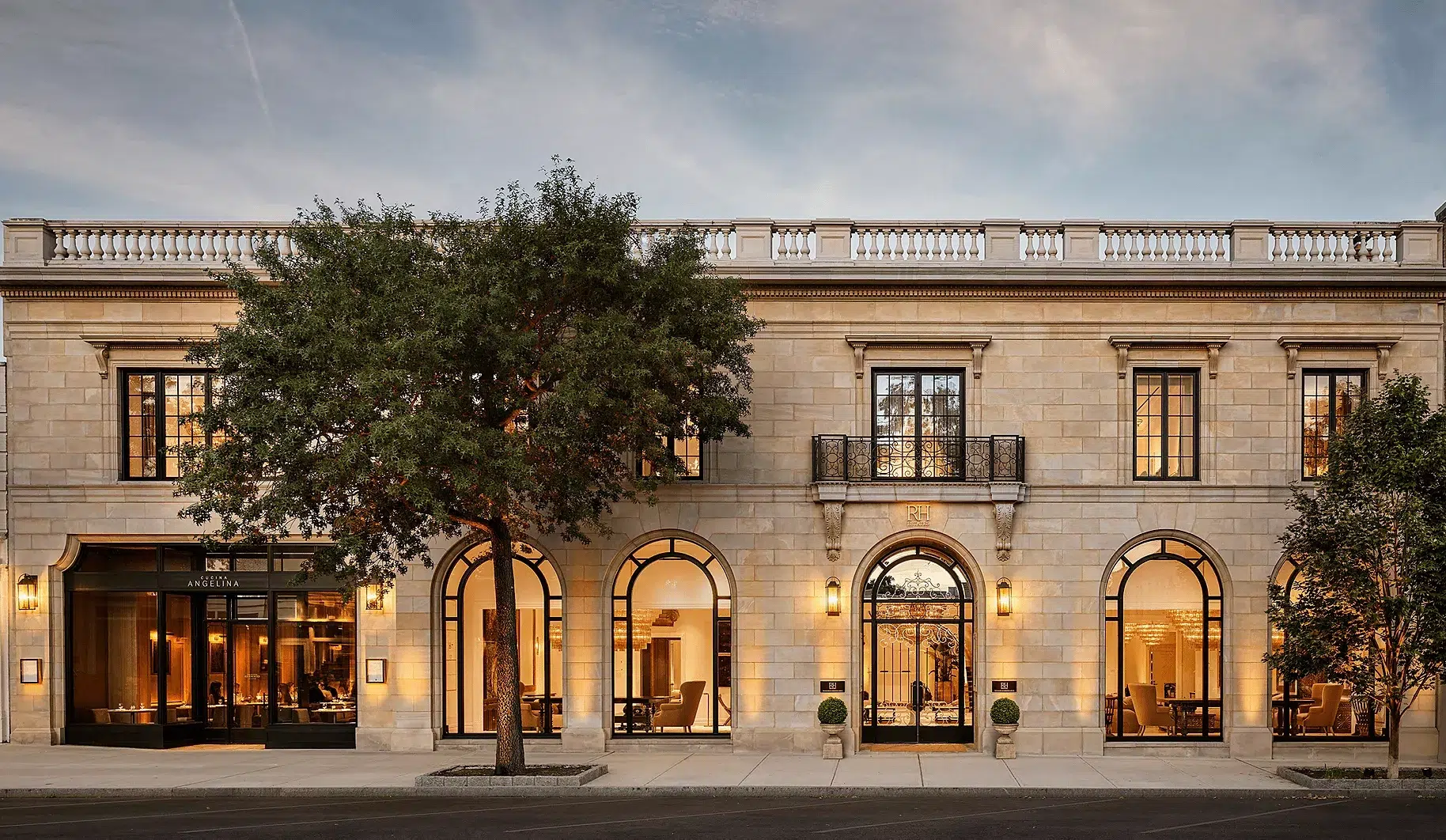
Greenwich Avenue has never lacked for polish, but RH has given the Connecticut enclave something more ambitious than another luxury storefront. With the opening of RH Estates, The Gallery on Greenwich Avenue, the company has created its first freestanding RH Estates Gallery in the world, a nearly 20,000-square-foot destination where furniture, architecture, collectible design, and hospitality are treated not as separate categories, but as parts of the same domestic universe.
The concept feels less like retail expansion than a statement of intent. RH has spent years moving beyond the traditional furniture-showroom model, creating spaces where restaurants, libraries, gardens, terraces, and design galleries coexist, and Estates pushes that evolution further by gathering historically significant designers and ateliers under one roof, then presenting their work with the kind of architectural framing more often associated with private collections or important residences.
Greenwich is an especially fitting place to begin. The new Gallery joins RH Greenwich, housed in the town’s historic post office, and RH Outdoor Greenwich across the street, creating a concentrated expression of the brand along one of the country’s most affluent retail corridors while giving RH a physical presence that feels more like a district than a single destination.
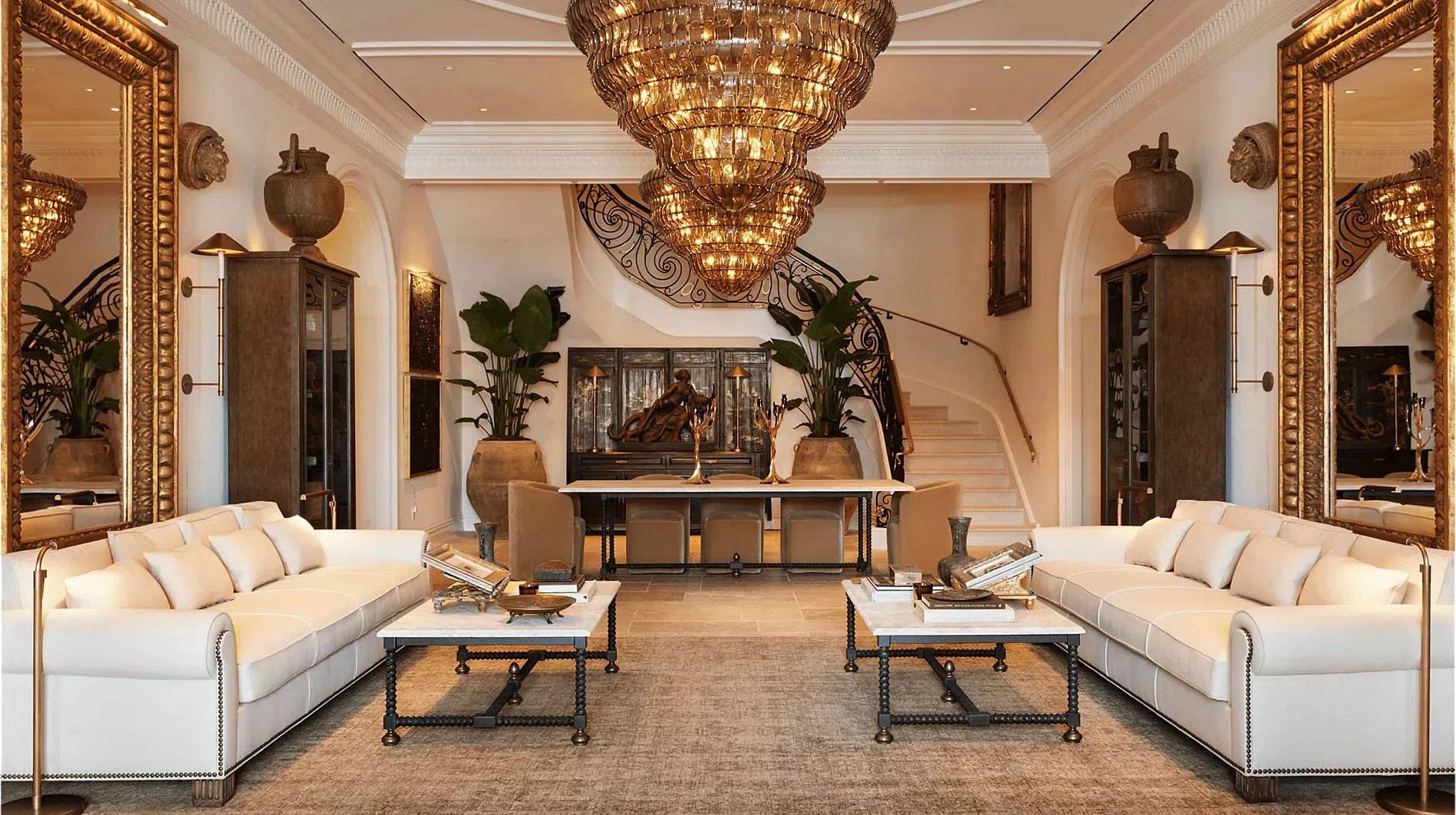
The architecture establishes the tone immediately. With Gary Friedman serving as design principal, the building draws on Beaux-Arts references through limestone, arched windows, ironwork, and carved stone detailing, yet the interiors resist anything that feels overtly historicist, with rooms composed to feel residential and collected rather than arranged as conventional retail displays.
That distinction is central to RH Estates because the idea is not simply to launch another furniture collection. It is to present design with a sense of provenance, atmosphere, and permanence, creating a setting in which the history of an object matters as much as its visual appeal.
At the heart of the concept are names RH has spent several years assembling: Michael Taylor Designs, Formations, Dennis & Leen, and Dmitriy & Co. Together they give Estates a level of historical and decorative depth that separates it from conventional retail, while allowing RH to reinterpret important design languages for a broader contemporary audience.
Michael Taylor remains one of the most compelling figures in that conversation. Often associated with the California Look, Taylor helped redefine American interiors through rooms that were elegant without being precious, grand without becoming stiff, and relaxed without sacrificing discipline, proving that comfort and sophistication could coexist without the need for overt display.
Within RH Estates, Taylor’s work is not treated as a museum exercise. Instead, it is placed into a living design vocabulary, allowing archival ideas to converse with newer pieces and contemporary interiors in a way that feels less like looking backward than discovering how much of modern luxury still owes to designers who understood proportion, material, and atmosphere decades ago.
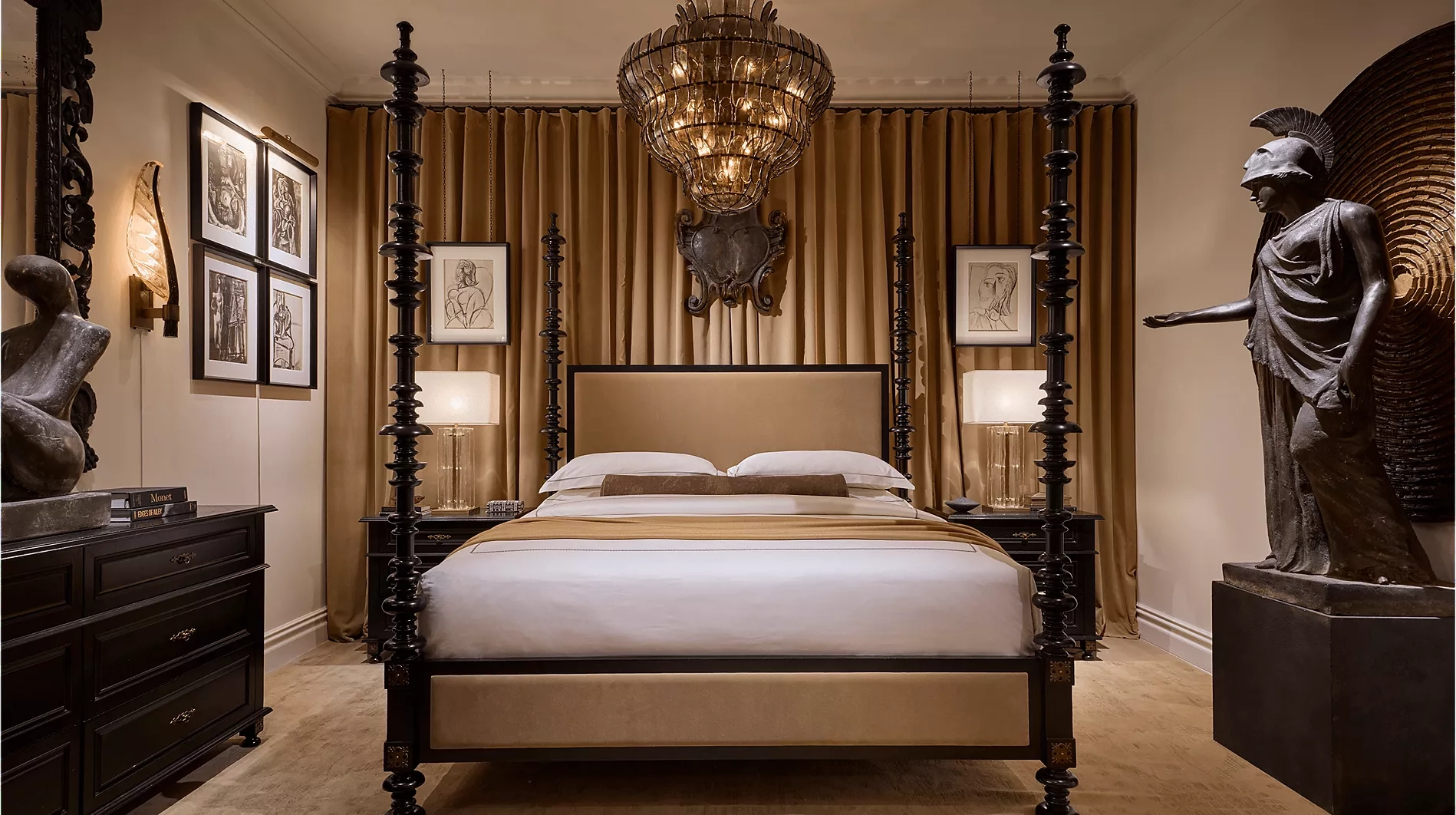
Formations brings a different energy, richer and more sculptural, with collections such as Paloma, Valencia, and Baldacchino introducing silhouettes and finishes that feel almost architectural. Their presence gives the Gallery a sense of rhythm, moving from the quieter confidence of classic American design into spaces with more visual drama and decorative weight without disturbing the overall sense of control.
The curation works because the Gallery never feels like a catalogue enlarged to room size. The strongest spaces have the intimacy of residential interiors, with pieces allowed to occupy air around them, surfaces layered carefully, and lighting used to emphasize texture rather than spectacle, giving each room enough restraint to let materials and proportions speak for themselves.
That sense of materiality is important because luxury design at this level is not experienced only by eye. It is read through weight, finish, grain, softness, scale, and the way an object occupies a room, and RH Estates succeeds when it allows those qualities to remain visible without over-explaining them.
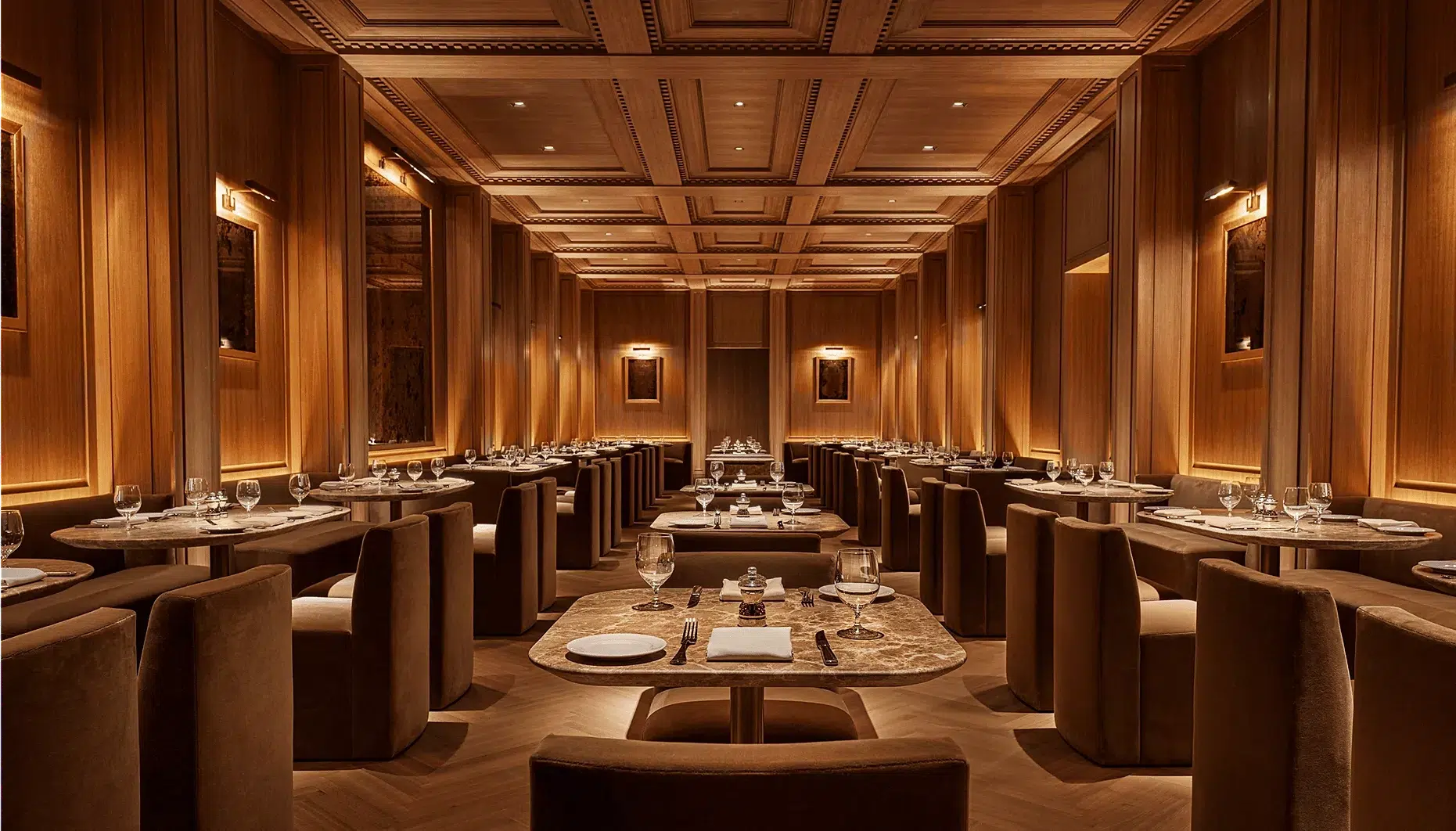
The hospitality component extends that philosophy through Cucina Angelina, RH’s first Italian restaurant in North America, named in honor of Gary Friedman’s mother and her Italian heritage. The 88-seat restaurant is lined with European oak, Italian caramel velvet, and Crema Emperador marble, creating an atmosphere that feels warm, polished, and intentionally removed from the transactional character of traditional retail.
The menu follows the same logic, with veal Milanese, truffle risotto, charred Wagyu ribeye, and wood-fired pizzas offering recognizable pleasures rather than conceptual theatrics. That ease keeps the space from feeling over-designed and helps reinforce RH’s larger ambition to create environments where shopping, dining, and lingering feel like parts of the same experience.
The company is no longer asking customers simply to shop; it is asking them to linger, dine, look, compare, and absorb a point of view. Luxury retail has increasingly moved in this direction, but RH has pursued it with unusual consistency, turning its galleries into social destinations as much as commercial ones and using architecture and hospitality to shape how furniture is encountered rather than merely sold.
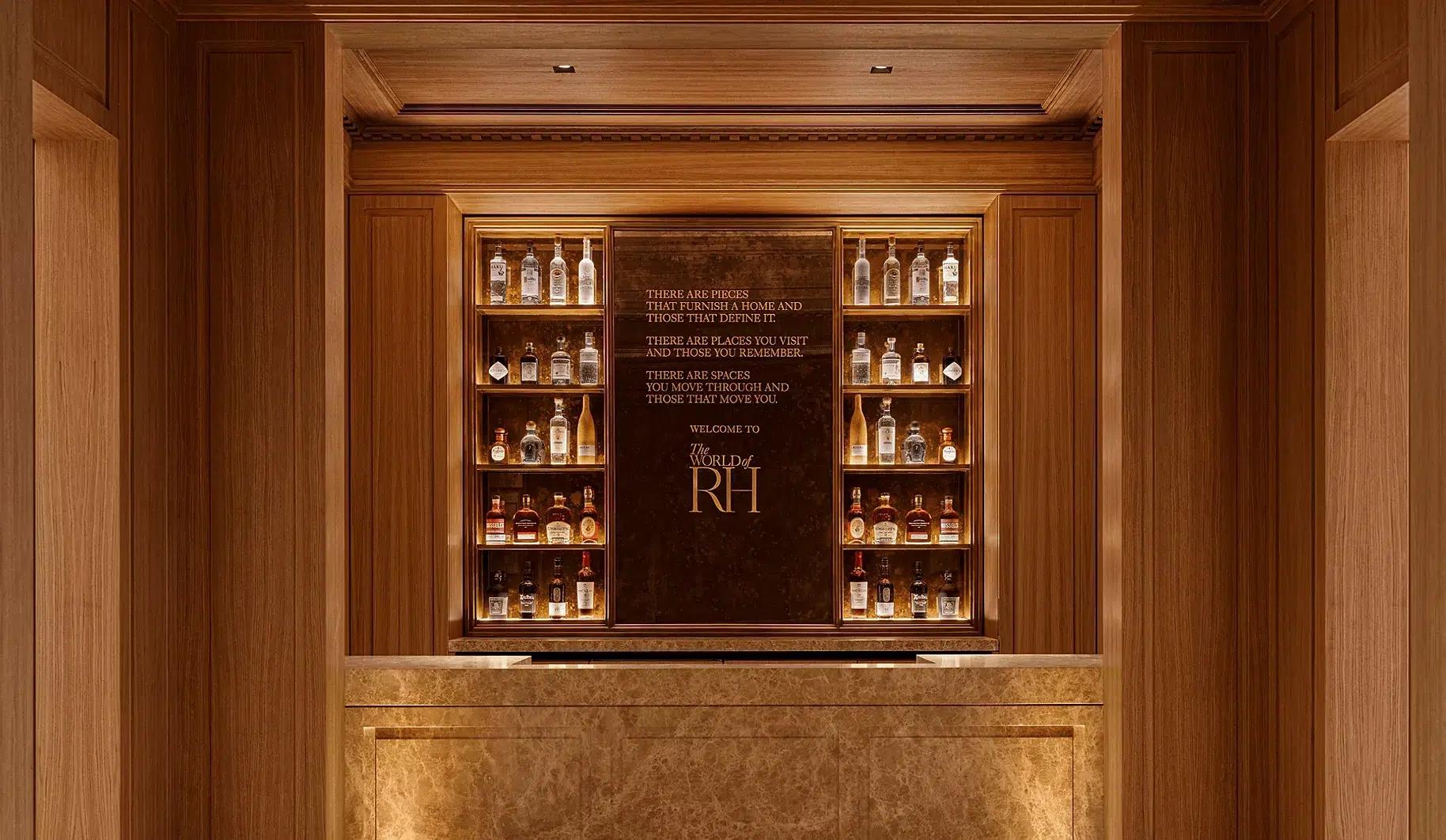
RH Estates feels like the fullest expression of that strategy yet. The concept was previewed in Milan during Salone del Mobile and introduced in London before arriving in Connecticut, but Greenwich gives it a particularly natural home because there is a long tradition here of collecting, decorating, architecture, and private residential scale.
That makes the Gallery feel less like a retail experiment and more like a response to its surroundings. There is also a broader cultural shift working in its favor, as high-end interiors move beyond years of pared-back modernism, muted palettes, and forms designed to disappear into space toward rooms with greater presence, richer surfaces, stronger silhouettes, and objects intended to anchor an interior rather than politely recede into it.
The best rooms here remain controlled, balanced, and disciplined. Historical references are present, but they are edited, while decorative pieces are substantial without becoming crowded, suggesting that the goal is not nostalgia or excess but a more enduring sense of permanence.
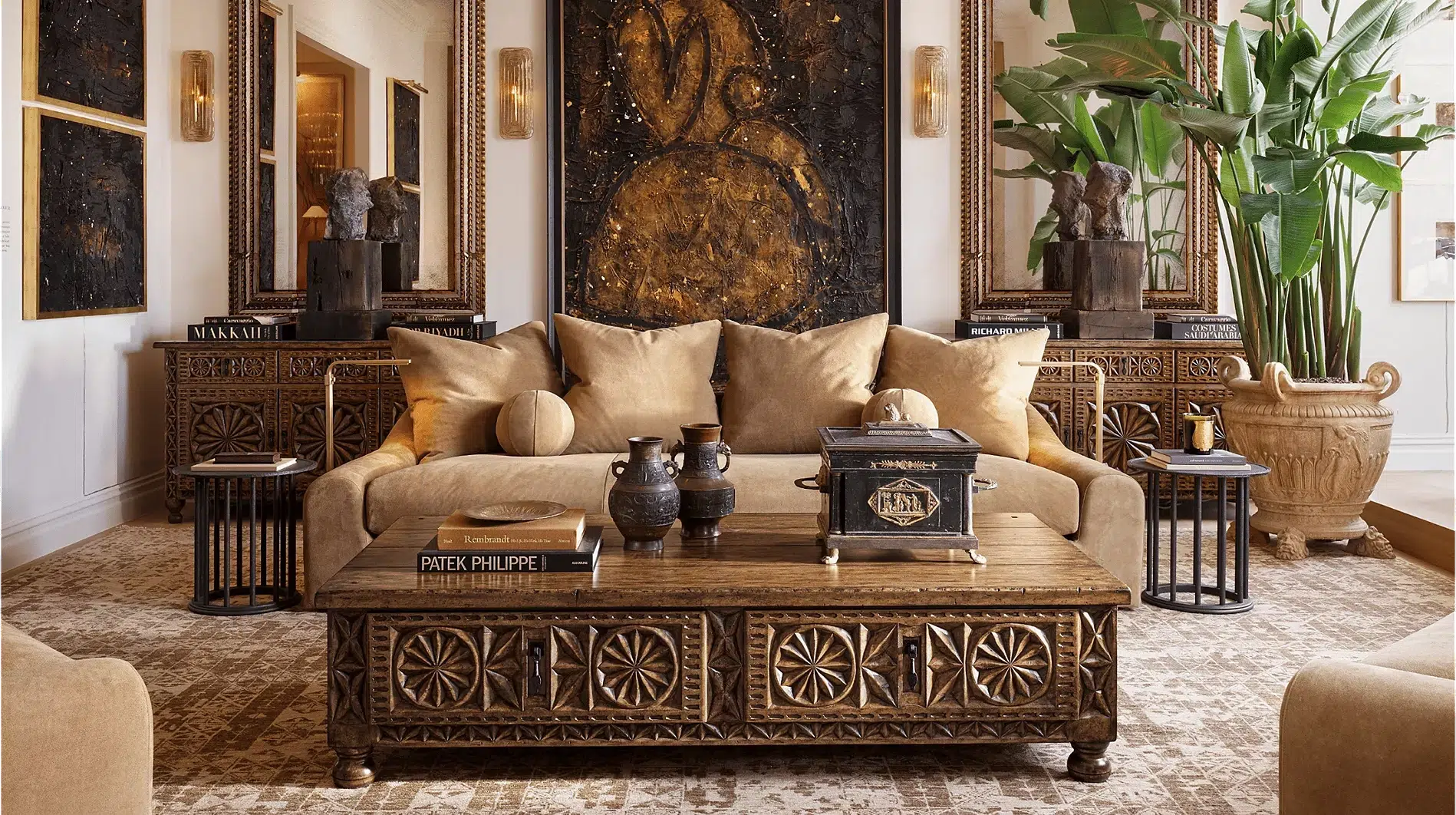
That distinction matters because heritage can become lifeless when treated too reverently. Design survives only when it continues to function in the present, and RH seems less interested in preserving important names behind glass than in proving that their work can still shape how people live now.
The Greenwich Gallery makes that argument convincingly through a sense of continuity rather than revival. Pieces associated with influential designers are given enough space to retain their character, while the surrounding architecture and styling keep them from feeling frozen in time, suggesting that enduring design rarely needs reinvention so much as the right context.
The real significance of RH Estates lies in that balance. The concept is not simply about acquiring important design houses or reintroducing archival pieces, but about building an infrastructure around them that gives historical design a contemporary audience without stripping away the qualities that made it important in the first place.
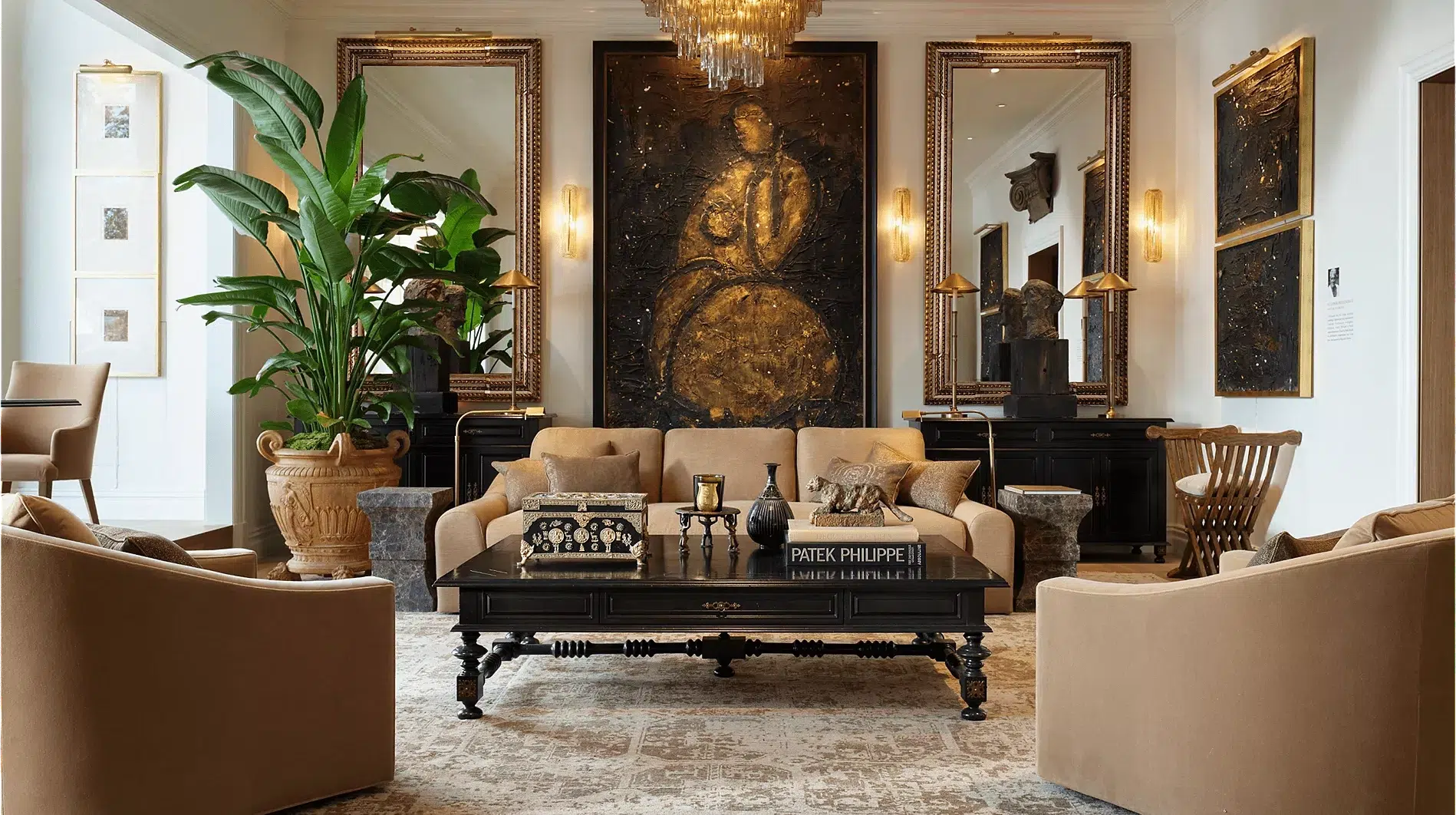
There is ambition in that idea, but also risk, because scale can flatten nuance and access can dilute mystique if handled carelessly. RH appears to understand that if rarefied design is to reach a wider audience without losing its authority, the environment surrounding it has to be every bit as considered as the objects themselves.
Greenwich suggests that balance is possible because the Gallery feels cultured without becoming academic, luxurious without becoming theatrical, and commercial without allowing commerce to dominate the experience. It invites visitors to consider not just what they might buy, but how rooms can feel when objects with history, proportion, and material integrity are allowed to shape them.
For RH, that marks a significant evolution, and for Greenwich Avenue it creates something rarer still. This is a retail destination that feels less like a store and more like a place worth entering simply to see what good design can do.