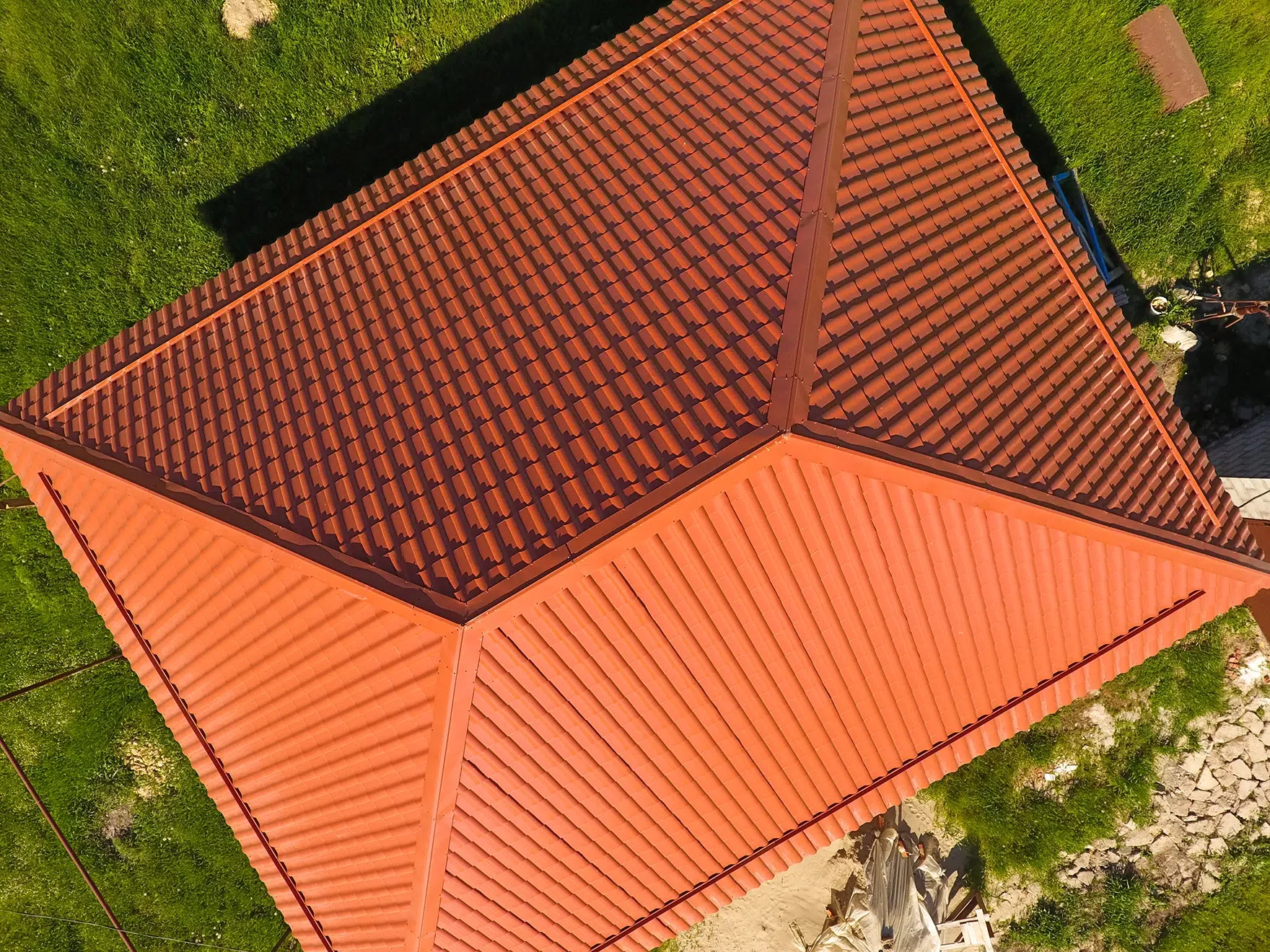
Your roof does far more than keep the rain out. It plays a central role in regulating your home’s temperature, protecting its structural integrity, and determining how much you spend on energy bills every single month. For homeowners who want to make smart, lasting investments in their properties, understanding the full scope of what a well-maintained roof contributes is one of the most empowering steps they can take. The good news is that modern roofing materials, techniques, and professional expertise have advanced dramatically, making it easier than ever to turn your roof into a genuine asset rather than simply an overhead expense.
The Connection Between Your Roof and Home Energy Performance
Most homeowners think of energy efficiency in terms of windows, insulation, or HVAC systems. The roof, however, is arguably the single most influential factor in how well a home retains or releases heat. During summer months, a poorly ventilated or aging roof can trap heat in the attic, forcing air conditioning systems to work significantly harder to maintain comfortable indoor temperatures. In winter, heat escapes rapidly through a roof that lacks proper insulation, driving up heating costs month after month.
Cool roofing materials, reflective coatings, and improved attic ventilation systems have all emerged as practical solutions to this challenge. Reflective roofing products, for example, can reduce roof surface temperatures by up to 50 degrees Fahrenheit compared to traditional dark materials, according to ENERGY STAR, the program jointly run by the U.S. Environmental Protection Agency and the Department of Energy that certifies energy-efficient products and building components. When a roof is designed or upgraded with energy performance in mind, the cumulative savings over the life of that roof can be substantial.
Why Routine Maintenance Is the Smartest Investment You Can Make
One of the most common and costly mistakes homeowners make is waiting until a problem becomes visible before addressing it. A small area of missing shingles, minor flashing damage around a chimney, or early-stage moss growth might seem inconsequential, but each of these issues can escalate quickly into water infiltration, mold growth, and structural damage that costs thousands of dollars to repair.
Routine professional inspections, ideally conducted twice a year in spring and fall, allow potential problems to be identified and resolved while they are still minor. Qualified roofers can assess the condition of shingles, underlayment, gutters, flashing, and ventilation systems with a trained eye that most homeowners simply do not have. The cost of a professional inspection is minimal compared to the expense of emergency repairs or premature full replacement.
Beyond inspections, keeping gutters clear, trimming overhanging tree branches, and addressing minor repairs promptly are all habits that dramatically extend the functional lifespan of any roofing system. A well-maintained roof that might otherwise last 20 years can often perform reliably for 30 years or more with consistent care.
Modern Roofing Materials and What They Offer Today’s Homeowners
The roofing industry has seen remarkable innovation over the past two decades. Homeowners today have access to a wider range of materials than ever before, each offering distinct advantages depending on climate, architectural style, and budget.
Architectural asphalt shingles remain the most popular choice across North America due to their balance of affordability, durability, and aesthetic versatility. However, metal roofing has surged in popularity as homeowners recognize its exceptional longevity, with properly installed metal roofs routinely lasting 40 to 70 years. Metal roofing is also highly resistant to extreme weather events, including high winds and heavy snow loads, making it particularly valuable in regions that experience harsh seasonal conditions.
Synthetic roofing materials, including polymer-based tiles designed to replicate the appearance of slate or wood shake, offer another compelling option. These products provide the classic visual appeal of premium materials without the weight, fragility, or high cost associated with natural alternatives. Solar roofing tiles, which integrate photovoltaic technology directly into roofing materials, represent the leading edge of what is possible when energy generation and building protection are combined into a single system.
The Role of Proper Installation in Maximizing Roof Performance
Even the highest-quality roofing material will underperform if it is not installed correctly. Improper installation is one of the leading causes of premature roof failure, and the consequences can include voided manufacturer warranties, persistent leaks, and structural damage that develops slowly and invisibly over time.
Proper installation involves far more than laying shingles. It requires careful attention to the roof deck condition, appropriate underlayment selection, correct fastening patterns, precise flashing installation at all penetrations and transitions, and adequate ventilation design. Each of these elements contributes to the overall performance and longevity of the finished roof system.
Choosing a contractor with verifiable credentials, solid references, and a transparent approach to materials and methods is essential. Homeowners should look for contractors who are certified by the manufacturers of the products they install, as these certifications indicate a level of training and accountability that goes beyond general licensing requirements. Asking for written estimates, reviewing past project examples, and confirming insurance coverage are all reasonable steps that protect the homeowner’s investment.
How a Quality Roof Adds Measurable Value to Your Property
Real estate professionals consistently identify roofing condition as one of the top factors that influence both buyer interest and final sale price. A newer or recently replaced roof signals to prospective buyers that they are unlikely to face a major expense shortly after purchase, which reduces their perceived risk and increases their willingness to pay a premium.
Studies conducted within the real estate industry suggest that a new roof can return between 60 and 70 percent of its cost in added home value at the time of sale, and in competitive markets that figure can be even higher. Beyond resale value, a quality roof contributes to homeowner satisfaction in practical, everyday ways: lower energy bills, fewer maintenance concerns, better indoor air quality resulting from reduced moisture infiltration, and the peace of mind that comes from knowing one of a home’s most critical systems is performing as it should.
For homeowners who are planning to stay in their homes long-term, the financial calculation is equally compelling. Every year that a roof performs efficiently and without incident is a year that money stays in the homeowner’s pocket rather than going toward emergency repairs or elevated utility costs.
A well-chosen, professionally installed, and consistently maintained roof is one of the most reliable investments a homeowner can make. It protects everything beneath it, contributes meaningfully to energy performance, enhances curb appeal, and builds long-term property value in ways that few other home improvements can match. Taking the time to understand your roof, work with qualified professionals, and invest in quality materials is not simply a matter of home maintenance. It is a decision that pays dividends for decades to come.