The landscape of luxury real estate has undergone a profound evolution. We’ve moved past the era of show home perfection (where every room felt like a sterile, catalog-ready set) and entered a period defined by deeply personal, art-focused sanctuaries. High-net-worth buyers are no longer satisfied with generic opulence. They seek properties that offer a narrative and emotional resonance.
A home’s interior design has become its primary selling point, often carrying as much weight as the ZIP code itself. Today’s sophisticated buyer views their residence not just as a place to live, but as a curated gallery that reflects their identity and values.
Walls as Sculptural Statements
One of the most significant shifts in high-end design is the move away from flat, painted surfaces toward tactile and immersive wall treatments. Modern luxury is about depth and touch. Choosing a luxury designer wallpaper transforms a structural boundary into a focal masterpiece that commands the room’s attention. Whether using hand-painted motifs or intricate, tapestry-like textures, these treatments add visual weight and historical depth.
This approach turns walls into sculptural statements, ensuring the home’s architecture feels like a continuous work of art rather than a series of empty boxes.
The Rise of “Material Drenching”
A trend gaining massive traction in 2026 is material drenching. This technique involves saturating a space in a single high-end material or consistent pattern to create a cocooning, immersive effect. By extending a specific texture or print across walls and even upholstery, designers create an architectural installation that feels incredibly intentional.
The purposeful immersion reduces visual noise, allowing the resident to feel fully enveloped in the craftsmanship of their surroundings. It creates a seamless, cohesive environment where the transition between elements is blurred, offering a sense of calm and total aesthetic commitment.
Biophilic Luxury and Organic Forms
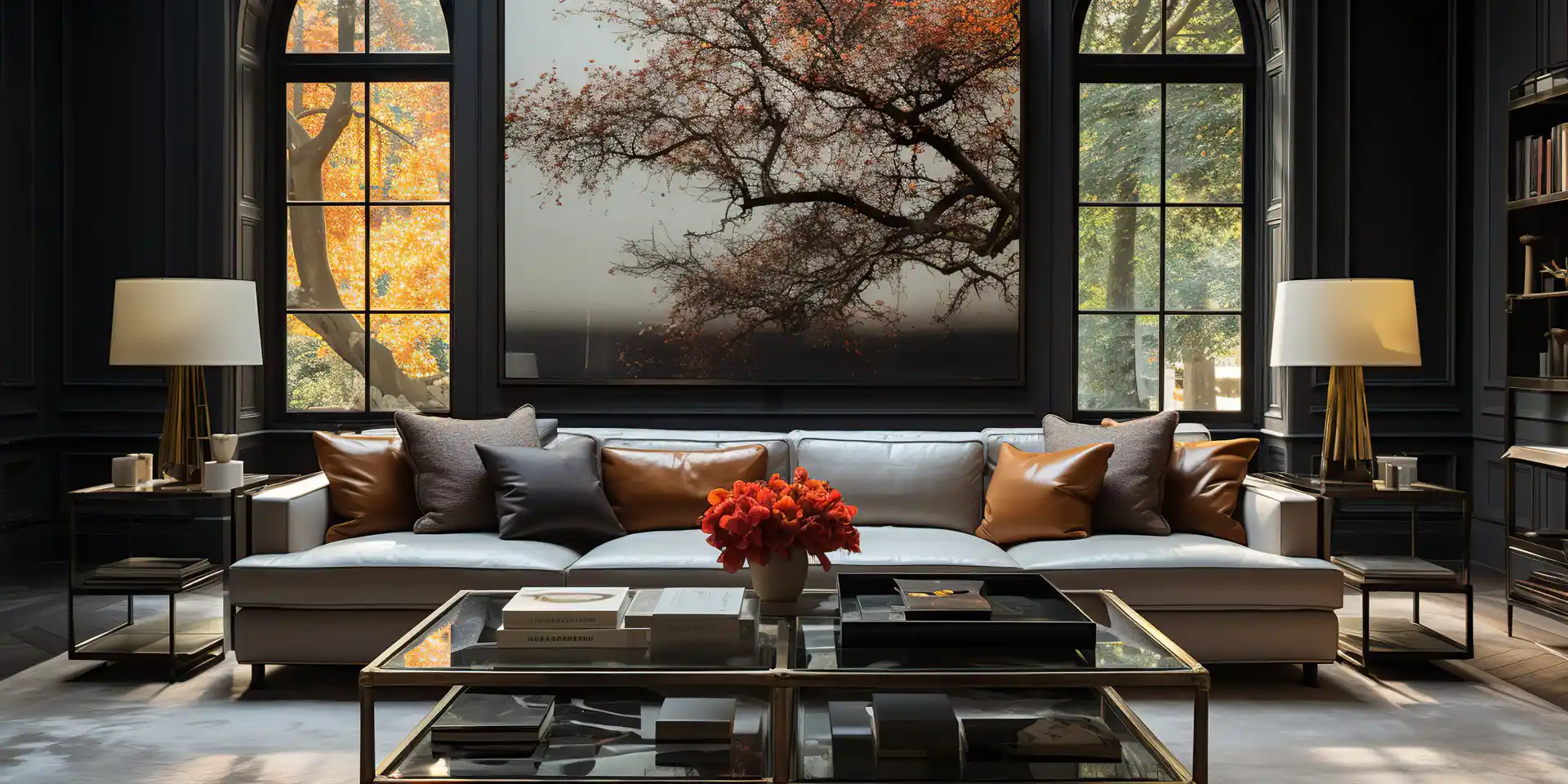
Luxury interiors are increasingly integrating nature through natural aesthetics and oversized botanical prints. This biophilic approach serves a functional purpose by promoting wellness and reducing the cognitive load of a high-speed, modern life. Large-scale murals of ancient forests or lush, winding gardens blur the line between the indoor living space and the landscape beyond.
These organic forms bring a softness to modern architecture, replacing sharp angles with flowing lines that mimic the natural world and create a sense of sanctuary.
Authenticity as the New Status Symbol
There’s a growing demand for artisanal, handcrafted details that celebrate human mark-making. Irregular forms, hand-tufted textiles, and freehand brushstroke patterns signal exclusivity and a deliberate rejection of sterile minimalism.
These imperfect beauties make a space feel soulful and lived-in, which is a key requirement for luxury buyers who want their homes to feel unique.
The Commercial Value of Aesthetic Excellence
Ultimately, transforming the home into an art piece is a savvy financial move. There is a tangible ROI (Return on Investment) in premium interior design. A well-curated, art-led home sells faster and at a significantly higher price point because it captures the buyer’s imagination the moment they walk through the door.
For developers and homeowners alike, aesthetic excellence is a strategic financial tool that protects the asset’s long-term value, ensuring the property remains a coveted masterpiece for years to come.