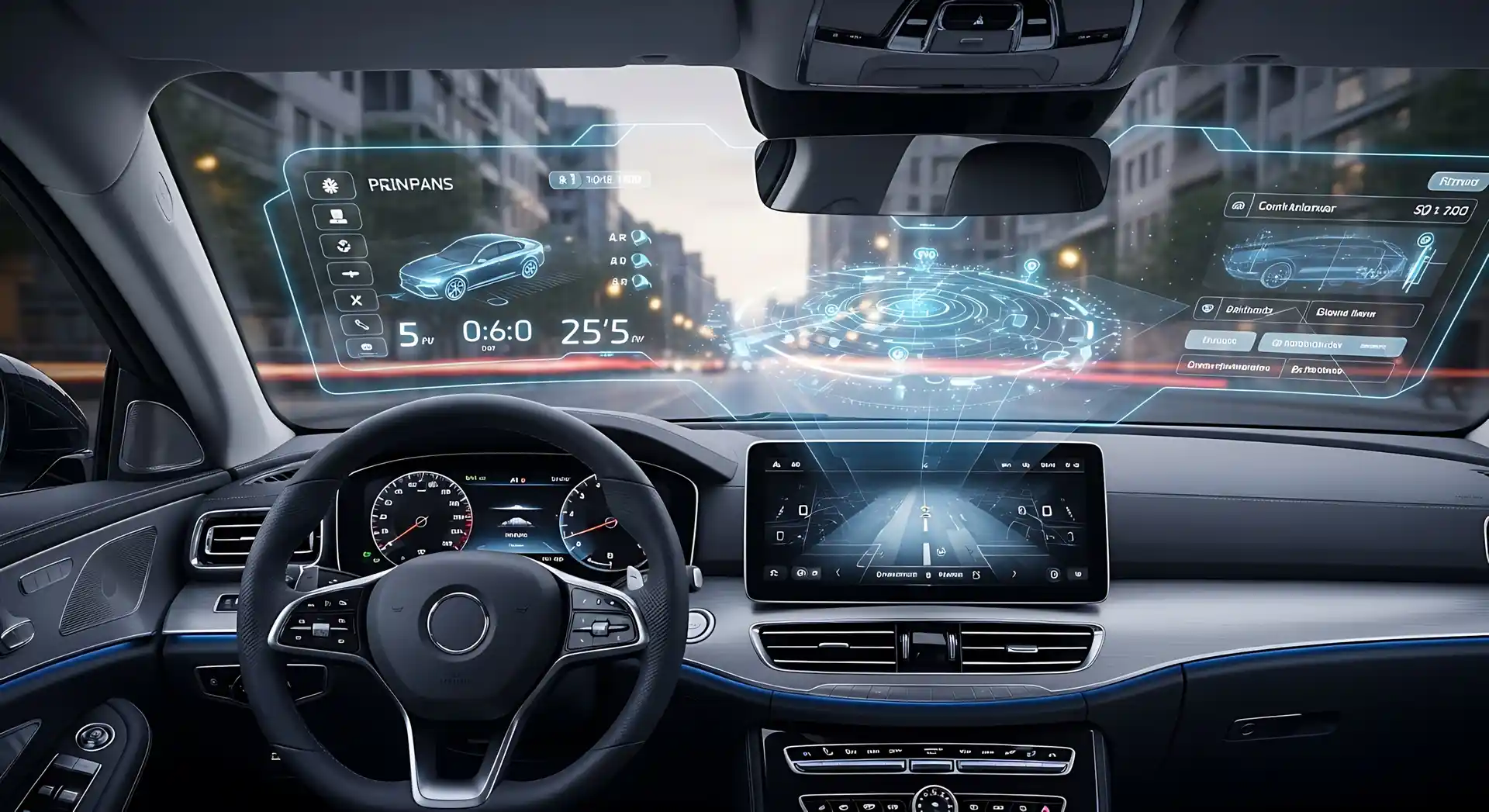
Cars once relied almost entirely on mechanical engineering and driver judgment. Today’s vehicles operate more like intelligent safety hubs that support you while you drive. Cameras and sensors continuously monitor the road and assess potential hazards. Features such as lane departure warning and traffic sign recognition now act as a quiet second pair of eyes. You remain fully responsible for steering, braking, and reacting to conditions, but these systems reduce the mental load during busy journeys. Because many road accidents happen through momentary lapses in concentration, this technology helps limit the small mistakes that often lead to collisions.
The rise of autonomous emergency braking (AEB)
Autonomous emergency braking shows how technology can react faster than a human driver in certain situations. Sensors and cameras detect when your car approaches another vehicle, cyclist, or pedestrian too quickly. If the system recognises an imminent collision and you have not reacted, it automatically applies the brakes.
This intervention makes a difference in everyday traffic conditions. Rear-end collisions often happen when drivers briefly lose focus in slow-moving traffic. Evidence suggests AEB can reduce these types of crashes by around 25%. Fewer low-speed impacts mean fewer injuries and fewer costly repairs.
The paradox of precision repairs
ADAS technology improves safety but also changes the way repairs work. Many sensors sit behind the windscreen or inside bumpers, which means even minor damage can affect how they function.
For example, a simple windscreen replacement may now require specialist recalibration, so the camera accurately reads road markings and vehicle distance. Without this adjustment, features such as lane guidance or emergency braking may not perform correctly. As a result, individual repairs can cost more even though accident rates may gradually fall.
How safety tech influences your premiums
Insurers increasingly consider the safety technology inside your vehicle when calculating risk. Modern databases allow providers to see which assistance features a particular car includes.
Drivers with systems such as AEB or lane monitoring may appear less likely to make a claim. Because of this, the presence of these features can influence the price you pay for car insurance. As more vehicles include advanced safety systems under new regulations, insurers will continue to factor this technology into their pricing models.
Maintaining your digital safety net
Safety technology only works properly when sensors, cameras, and software remain in good condition. Dirt covering a sensor or a dashboard warning that goes unchecked can prevent these systems from operating as intended.
Regular servicing and prompt diagnostic checks help keep these features functioning correctly, so that they continue to support you on the road.
The future: from assistance to automation
Today’s driver assistance systems represent an early step toward greater automation. Engineers in the UK continue testing vehicles that can handle more driving tasks in controlled environments.
Fully automated driving is still developing, but the systems already present in modern cars form the foundation for that future. Understanding how your vehicle’s assistance features work helps you use them effectively and drive with greater confidence.