A few months ago, my backyard was nothing more than an uneven lawn with a few tired shrubs. Today, I still don’t have a perfect garden—but I have a plan that I actually trust enough to work on one weekend at a time.
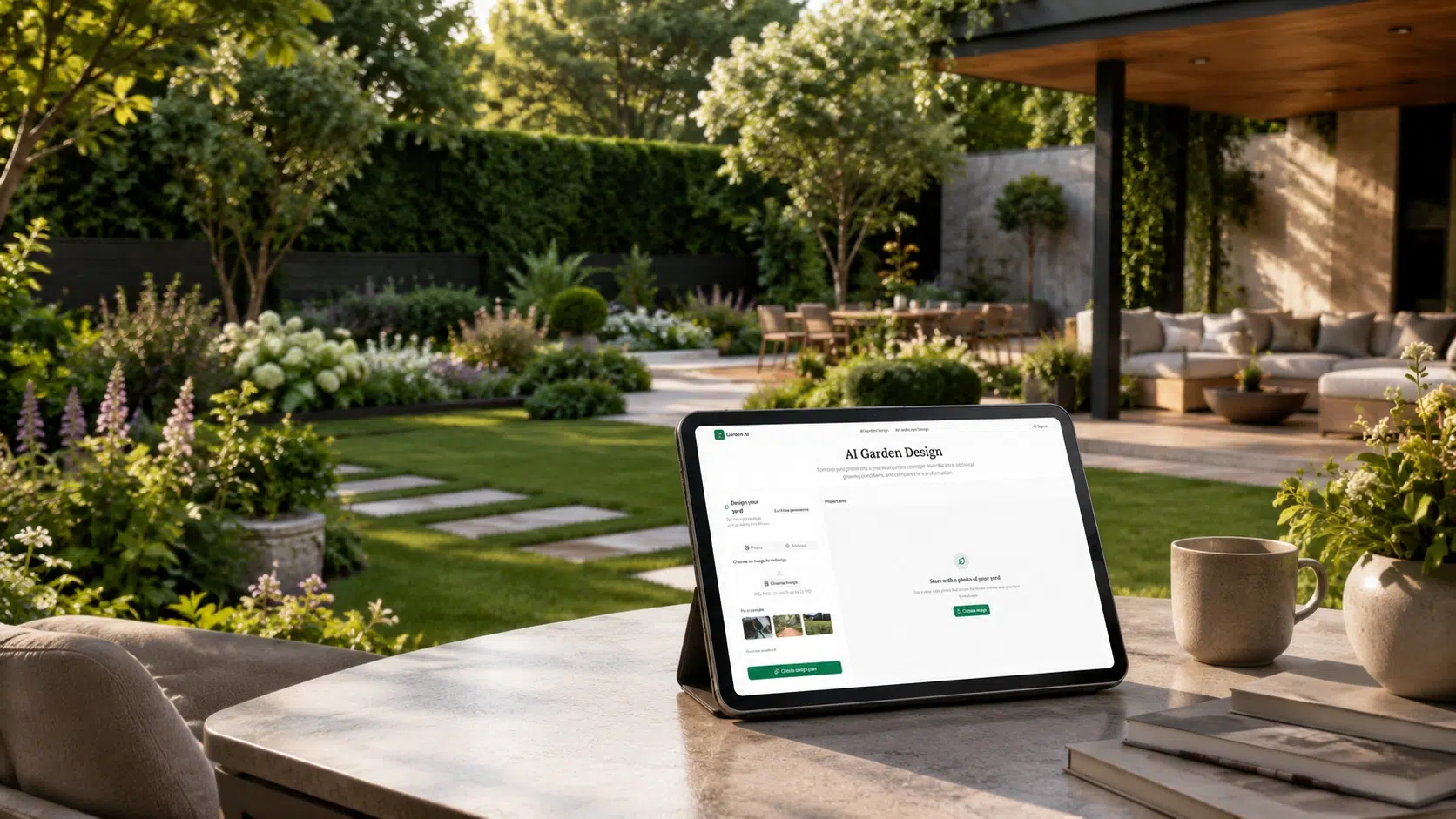
That difference didn’t come from buying expensive plants or copying photos from social media. It came from seeing my own yard as it really is instead of imagining what it could become. This article explains the approach that helped me stop guessing, using AI Garden Design, an AI home design tool that turns a real yard photo into a practical garden concept by letting you mark the working area, add local growing conditions, and compare possible transformations.
Start with Your Yard Instead of Someone Else’s
Before
For years, I collected screenshots of beautiful gardens. Japanese courtyards, English cottage borders, modern patios—I had hundreds of images saved.
The problem was obvious once I looked honestly at my own space. Those gardens belonged to different climates, different budgets, and different property sizes. None of them answered the question: What should I do with my yard?
Action
Instead of searching for more inspiration, I uploaded a recent photo of my backyard into AI Garden Design.
Rather than beginning with an empty canvas, the platform works from an actual image of your property. I marked the area I wanted to redesign, entered basic information about sunlight and local climate, then generated several concepts using the same starting point.
After
The biggest change wasn’t the design itself.
It was finally comparing realistic options based on the space I already owned. Every concept respected the existing layout, making the results feel much closer to something I could actually build.
Let Local Conditions Guide the Design Instead of Personal Taste
Before
I used to choose plants because they looked attractive in photos.
Unfortunately, attractive doesn’t always mean suitable.
A flower that thrives in one region might struggle in another, and a sunny design idea can quickly fail if part of the yard spends most of the day in shade.
Action
This time I paid much more attention to the environmental inputs.
Adding local growing conditions and light exposure may feel like an extra step, but it changes the recommendations in meaningful ways. The suggested layouts become more grounded in practical growing conditions instead of focusing only on appearance.
That approach reflects what many gardening organizations recommend. According to the U.S. Environmental Protection Agency, landscaping with plants that match local environmental conditions can reduce outdoor water use while supporting healthier long-term growth. Instead of chasing perfect pictures, designing around local conditions often leads to landscapes that require fewer adjustments later.
After
I didn’t suddenly become an expert gardener.
What changed was the number of unrealistic ideas I stopped considering.
That alone probably saved several weekends of trial and error, along with money that would have gone toward plants unlikely to survive.
Think Beyond Landscaping—Use the Design as a Planning Conversation
Before
This is something I almost never see mentioned in tutorials.
Whenever I discussed the garden with my family, we talked in vague descriptions.
“I think we should move the path.”
“What if we added another flower bed?”
Everyone imagined something different, which meant every conversation ended without a real decision.
Action
Instead of treating the generated images as final designs, I used them as discussion tools.
We looked at several concepts together and asked practical questions.
Would the seating area receive enough afternoon shade?
Would there still be enough room for children to play?
Would maintaining this design feel realistic next year?
Because the concepts came directly from our own yard, everyone was discussing the same visual reference instead of different mental pictures.
After
This became the most unexpected benefit of the entire process.
Our decisions became noticeably faster because disagreements shifted from abstract opinions to visible layouts.
In one afternoon, we narrowed six possible ideas down to two workable options. Compared with previous attempts, I estimate we saved at least four or five hours that would otherwise have been spent sketching ideas or debating possibilities.
A Garden Plan Doesn’t Need to Be Finished Before You Begin
One lesson surprised me throughout this experience.
I kept waiting for the “perfect” design before planting anything.
That moment never arrived.
Instead, I found that having several realistic concepts made it easier to improve one section of the yard at a time. The front border came first. A small seating area followed a few weeks later. The larger planting beds can wait until next season.
Looking back, AI Garden Design wasn’t valuable because it made decisions for me. It was valuable because it reduced uncertainty enough that I finally felt comfortable making the first decision. Sometimes restoring a garden isn’t about discovering the ideal design—it’s about replacing endless hesitation with a practical next step.