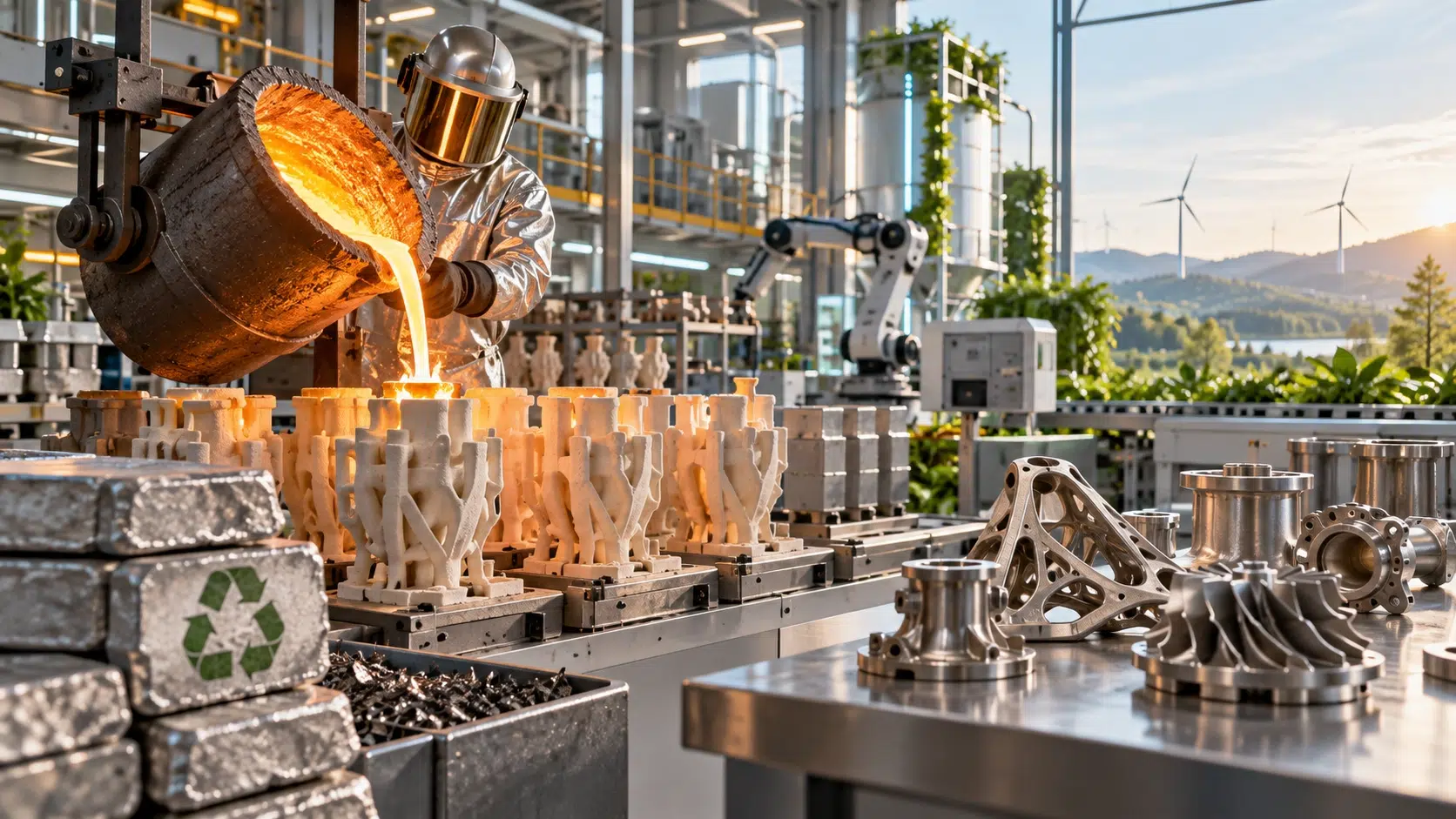
Factories are changing how they build metal parts. Making things used to waste a lot of raw material and energy. Now, modern shops look for ways to protect the earth. Metal shaping methods are shifting toward eco-friendly practices every single day.
Clean technology helps lower harmful waste and saves precious resources. Global markets demand responsible production standards from every major industrial supplier. Local communities welcome these positive changes with open arms.
The Rise of Eco-Friendly Metal Shaping
Metal production has a long history of heavy energy use. Old techniques left behind massive amounts of scrap metal and debris. Factories now seek better ways to build strong components without harming nature.
Foundries constantly search for ways to reduce their carbon footprint. Using custom investment casting helps manufacturers achieve this green goal. Advanced technology proves that every single part matches exact project specs without excess material.
Operational teams test new methods to keep toxic emissions low. Cleaner methods protect workers and the local environment. Every upgrade moves the industry toward a sustainable future.
Clean air rules push plant managers to adopt better filtration units. Investment in green tools pays off through lower fines and better public image.
Saving Energy Through Smart Processes
Energy consumption remains a major hurdle for heavy industries. Traditional furnaces run continuously and burn massive amounts of fuel. Newer heating units use less power and cycle off when idle.
These upgrades lower overall plant emissions significantly. Smart controls manage heat levels with high accuracy. Operators monitor power grids to find extra savings during peak hours. Modern software tracks electricity usage in real time.
Lower energy use cuts operational costs by wide margins. Business owners invest profits back into green research programs. Every saved kilowatt-hour reduces stress on regional power grids.
Power management systems also help prevent sudden brownouts during heavy summer loads. Factory workers receive training on energy conservation best practices.
Reducing Waste With Precision Molds
Molds play a huge role in how much scrap is created. Older methods often require extensive milling and carving. Clean ceramic molds hold patterns tightly and capture fine details right away. Workers spend less time cutting away thick metal blocks.
- Less metal scrap created
- Lower energy bills daily
- Faster production speeds now
- Fewer harmful chemical fumes
Precision pouring stops excess metal from pooling where it does not belong. Finished items require minimal finishing work on the shop floor. Saved raw materials mean fewer mining operations must dig up new ore.
Reduced mining activity preserves local habitats and wildlife populations. Lesser material movement also decreases heavy truck traffic around factory zones. Foundries save money on shipping heavy blocks of excess metal to buyers.
Water Management And Recycling Systems
Metal shops need water to stay cool. Workers clean the water and use it again. Pipes trap dirty water so it stays out of streams. Safe habits keep the work area clean.
Pumps push clean water through big cooling towers. Filters pull out bad stuff so pipes stay clear. Workers check the water every single day. Strict rules stop bad spills from happening. Clean water helps local farms and fish grow. Bosses check the water numbers every week.
Final Thoughts On Green Production
Clean manufacturing methods prove that industry and nature can coexist. Smart technology and better mold designs protect local ecosystems.
Companies adopting these green steps build a stronger future. Customers prefer buying goods from responsible brands that protect the planet.
If you’d like to learn more, check out more articles on our blog.