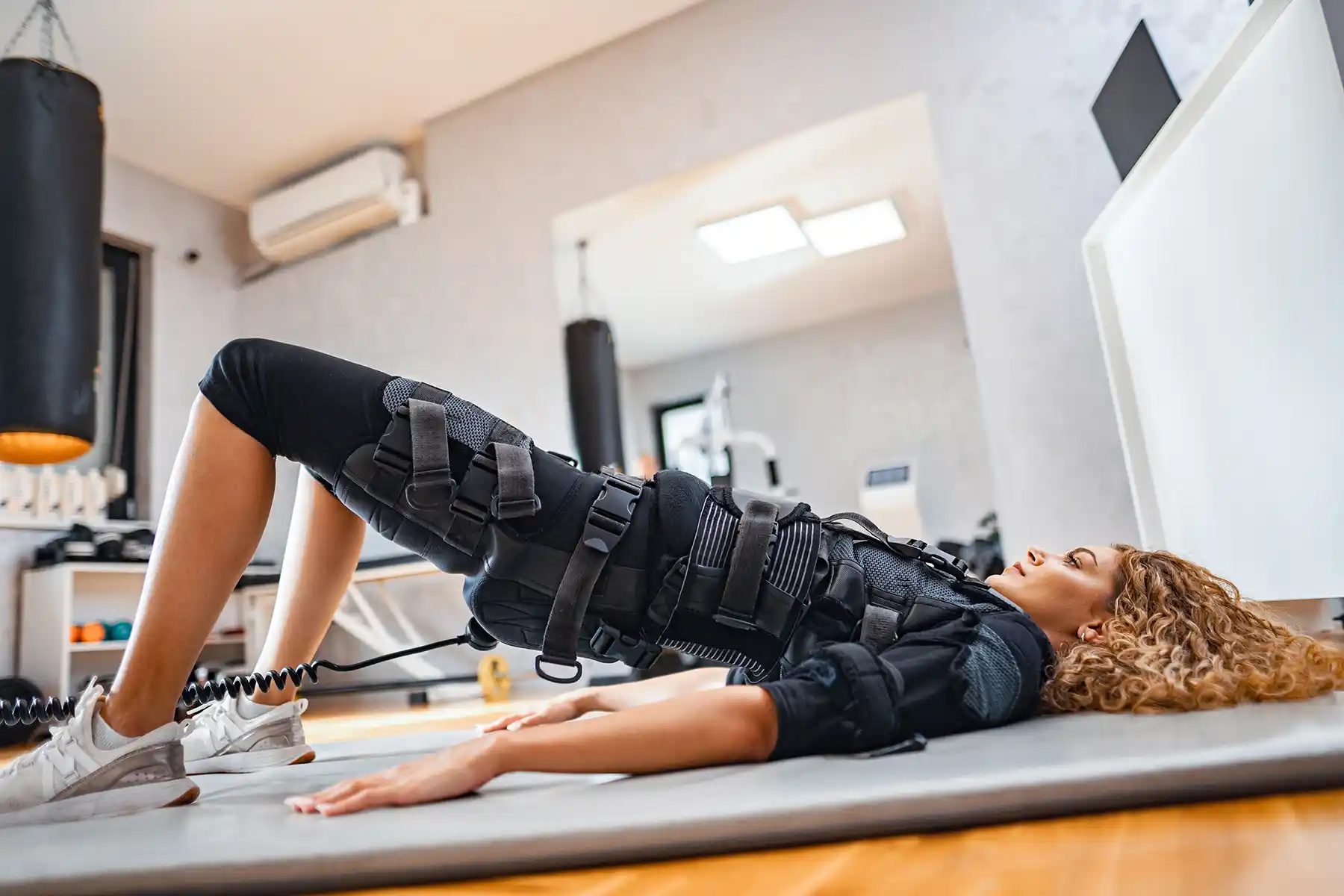
Neurorehabilitation helps humans who suffer from neurological diseases. Rehabilitation methods help with movement, cognition, and function in everyday life. Focusing on physical and mental obstacles enables individuals to reclaim their sense of self and autonomy. This approach can provide hope and motivation to patients and their families when addressing the underlying mechanisms by which these interventions promote improvement.
Teaching Motor Skills Through Practice
Structured physical exercise forms the foundation of the majority of programs for neuro rehab in Augusta, GA. Therapists structure activities to progressively strengthen muscles and increase coordination. Those exercises are generally repetitive in nature, which helps retrain specific muscles and pathways between the brain and body. Slowly but surely, these essential skills, such as walking, gripping, and balancing, return. Only after much practice does one gain smooth, dominant movement.
Encouraging Neuroplasticity for Recovery
Neuroplasticity is the process by which the brain builds new connections when individuals become injured or are ill. Rehabilitation tasks prompt this natural healing process to some extent, allowing patients to battle through different tasks. With every new movement or mental challenge, the brain reorganizes and adapts. Eventually, these changes generally show up as improved body function, given some patience and sustainable effort. For many, this advancement means having renewed excitement for everyday life.
Cardiovascular Exercise for the Mind
Neurological events tend to worsen cognitive skills like memory, attention, and problem-solving. Neuro rehab deals with these challenges using formalized cognitive tasks. These could involve memory games, puzzles, or activities that necessitate planning. Routinely working with these exercises enhances processing and focus. Better brain functions promote improved communication, enhance decision-making skills, and lead to more independence.
Fostering Emotional Well-being and Motivation
The recovery of motor and cognition comes with emotional highs and lows. Rehabilitation programs offer a non-judgmental environment where people feel supported and heard. They help set realistic goals, celebrate small wins, and provide direction. Positive reinforcements help regain motivation, so it is easier to stay on track with rehab, where you can also feel emotional support. If you think positively, you usually perform better, both physically and mentally.
Promoting Independence in Everyday Life
Regaining control of mobility and cognition reinforces independence. Rehab professionals help teach individuals alternate strategies to dress, eat, or use technology. These hands-on lessons allow for new ways of dealing with daily life. With improved skills comes confidence and a decreased reliance on caregivers. Regaining independence restores dignity and faith in everyday life.
Supportive Technologies in Neuro Rehab
Newer tools usually make the rehab process easier. Robotic devices, virtual reality, and interactive games are tools that encourage users to perform movements and cognitive tasks. They provide rapid feedback, allowing users to gain an awareness of their achievements and calibrate their motivation accordingly. With fun and interactive exercises, this technology enables prolonged and focused engagement in therapy. This approach makes recovery feel a little less tedious or like a chore.
Personalized Goals and Progress Tracking
Rehabilitation is different for each individual. Therapists help clients by defining personal goals that align with their individual needs and desires. Ongoing evaluation can also potentially measure progress and identify areas for continued growth. This tailored approach provides a tangible use for therapy. They help acknowledge big and small achievements because it keeps your interest and movement going.
Involvement Of Family And Friends In Recovery
Support from loved ones can bolster rehabilitation outcomes. Family members also participate in the therapy, learning how to promote and support exercises at home. The encouragement that social interaction can provide is invaluable and limits feelings of isolation. Having a robust support network can help individuals remain motivated and feel engaged in their recovery objectives by providing a sense of belonging.
Conclusion
Neuro rehab provides a structured pathway and supportive environment to achieve better movement and mental function. Individuals relearn skills necessary for independence through repeated practice, emotional support, and input from specialized tools. This solution helps sustain motivation through personalized goals, the involvement of family and friends, and continuous tracking of your progress. Rehabilitation aims to help individuals return to meaningful, active lives through a dual focus on comprehensive physical and cognitive recovery.