Retail store design is about much more than making a shop look attractive. The way a store is organized can influence how customers move through the space, which products they notice, how long they stay, and ultimately whether they make a purchase. From small independent boutiques to large commercial stores, thoughtful interior planning can create a better shopping experience while helping businesses use their available space more effectively.
Create a Strong First Impression
Customers begin forming an impression of a store before they even walk through the entrance. The storefront, signage, windows, lighting, and entrance area all contribute to that first impression. A clean, organized, and visually appealing exterior can encourage potential customers to enter.
The entrance should not feel crowded. Instead, it should give shoppers enough room to transition comfortably from the outside environment into the store. Retailers can use carefully selected displays near the entrance to introduce their brand, promote seasonal products, or highlight current offers.
The goal is not to place as many products as possible near the door. Too many products can make the space look cluttered. A smaller number of strategically presented products can have a stronger visual impact.
Design the Store Around Customer Movement
Customer flow is one of the most important considerations in retail interior planning. Shoppers should be able to move naturally from one section to another without feeling restricted.
Retailers can create different zones for different product categories. For example, a clothing store might separate women’s clothing, men’s clothing, accessories, footwear, and promotional products. Grocery stores can use clearly defined aisles and category signs to make shopping easier.
The arrangement of fixtures should support movement rather than block it. A good layout allows customers to see products from different angles and discover items without unnecessary obstacles.
Use Displays to Highlight Important Products
Products do not automatically attract attention simply because they are available. Their presentation matters. A carefully designed Retail Displays strategy can help retailers highlight new arrivals, best-selling products, seasonal merchandise, or promotional items.
Display height, lighting, spacing, color combinations, and positioning can all affect visibility. Products that generate higher margins or are part of a current marketing campaign can receive prominent placement.
However, retailers should avoid making every product a focal point. If everything is emphasized, nothing stands out. Instead, select specific products or categories and give them stronger visual treatment.
Choose Fixtures According to the Business
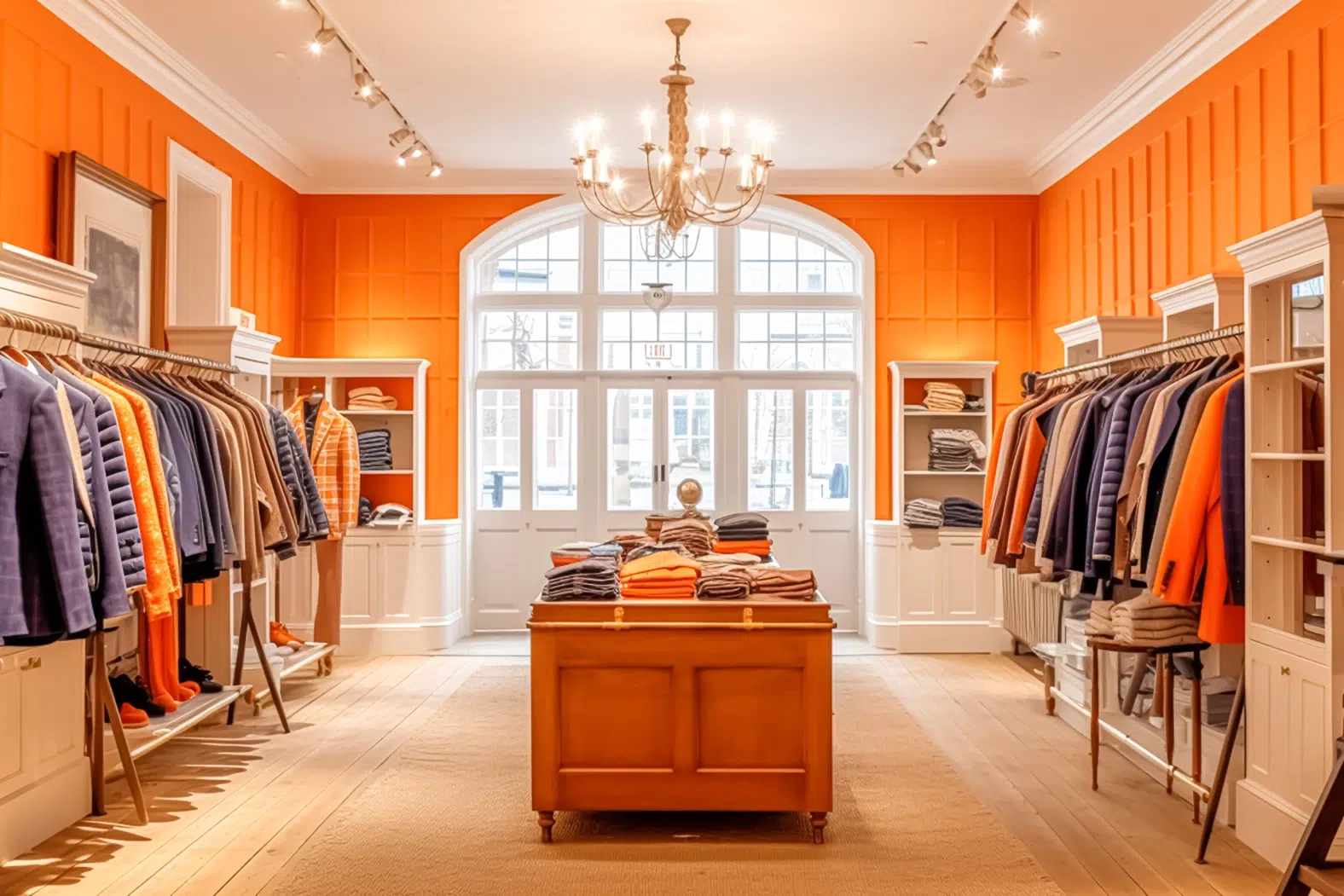
Different businesses require different types of furniture and storage solutions. A jewelry store may need glass showcases, while a clothing shop may need garment racks, shelving, tables, mirrors, and fitting-room furniture.
Selecting appropriate Store Fixtures can help businesses combine product presentation with practical storage. Fixtures should match the store’s products, available floor space, branding, and customer expectations.
For example, premium products may benefit from sophisticated materials and integrated lighting. A discount retailer may prioritize durability, flexibility, and efficient use of space.
Make Lighting Part of the Design
Lighting is frequently underestimated in retail environments. Proper lighting can make products easier to see and can influence the overall atmosphere of a store.
General lighting should provide enough brightness for customers to move comfortably. Accent lighting can then be used to highlight specific displays or merchandise.
In fashion stores, appropriate lighting can help customers evaluate colors and textures. In jewelry stores, focused lighting can emphasize the reflective qualities of products.
Lighting should also be consistent with the brand. A modern technology store might use a bright, contemporary environment, while a luxury boutique may use more focused and atmospheric lighting.
Keep the Checkout Area Organized
The checkout counter is one of the final areas customers interact with before leaving. It should be easy to locate and should not create unnecessary congestion.
Retailers can use the checkout area for small impulse-purchase products, loyalty program information, or promotional messages. However, the counter should remain functional and uncluttered.
The checkout zone should also provide enough room for customers to queue without blocking other shoppers.
Update the Store Regularly
A retail environment should not remain exactly the same throughout the year. Seasonal displays, product launches, promotional campaigns, and changing customer preferences provide opportunities to refresh the interior.
Retailers do not necessarily need a complete renovation every few months. Simple changes such as rearranging tables, updating signage, changing featured products, or adjusting lighting can make the environment feel new.
Work With a Professional Commercial Fixture Manufacturer
Businesses planning a new store or renovation may benefit from working with an experienced commercial fixture manufacturer. Ant Display Is A Professional Manufacturer of Retail Store Fixtures, Customized Mall Kiosks, Display Showcases, Racks, & Shelving, Glass Display Cases, Led Lighted Fixtures, Reception Desks, Decoration Props & More. We Provide Full Shop Interior Design, Retail Displays & All Commercial Fixtrues For All Business Needs.
Professional planning can help businesses select products that fit their available space and merchandising requirements.
Final Thoughts
Effective retail design combines appearance, functionality, customer movement, product visibility, and brand identity. Retailers should think about how customers experience the store from the moment they enter until they complete their purchase.
A well-planned environment can make products easier to discover, improve organization, and create a stronger connection between customers and the brand. By combining thoughtful layouts, appropriate fixtures, effective lighting, and regularly updated displays, businesses can create retail spaces that are practical as well as attractive.