
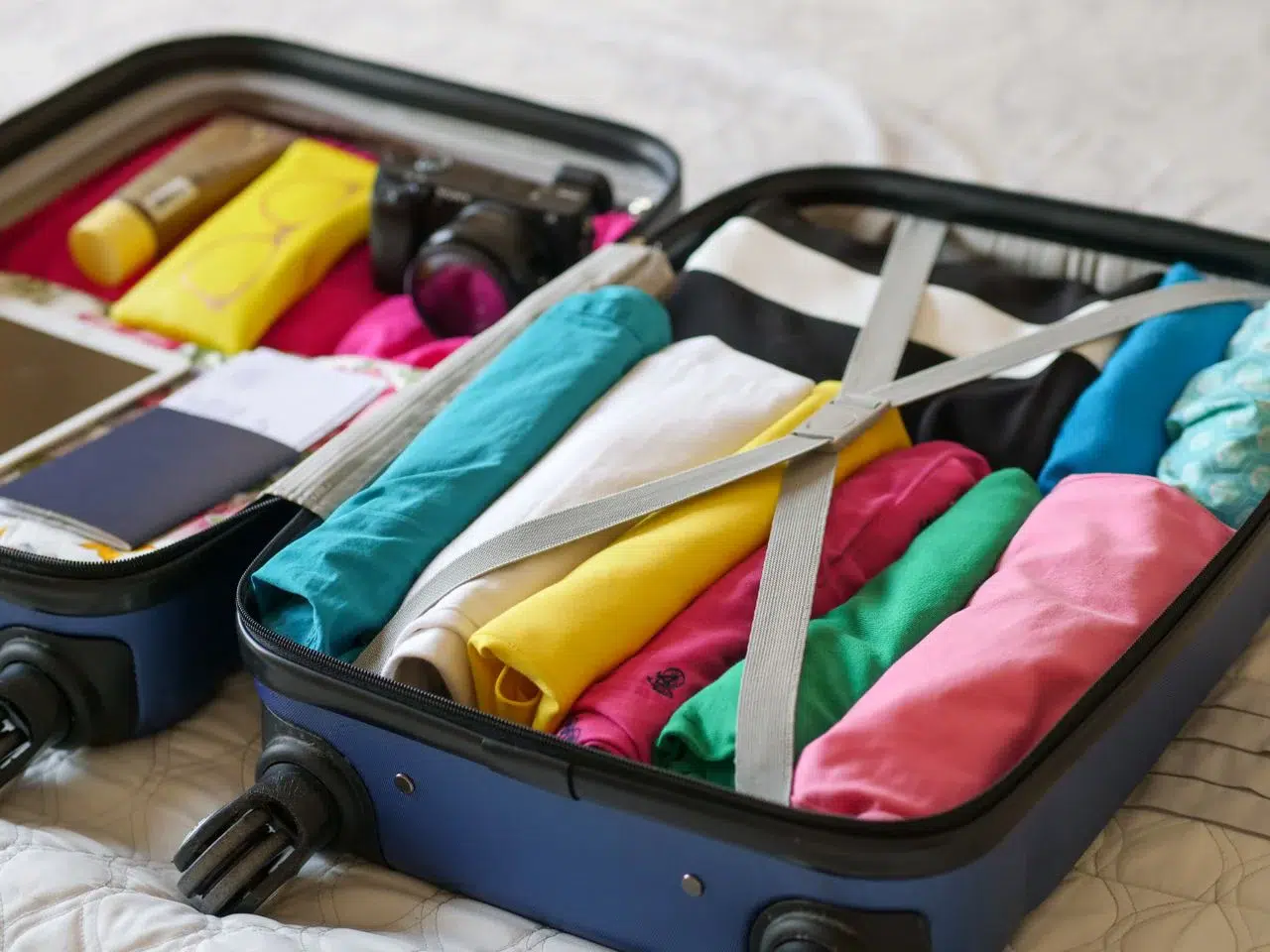
Most people pack the same way every trip: dump everything on the bed, stuff it in the bag, and hope the zipper closes. Then they spend the whole vacation digging through a crumpled mess every morning. Sound familiar?
Here’s the thing: packing light has nothing to do with owning less. It’s about having a system, a repeatable method that tells every item exactly where it goes, every single time. Once you build that system, travel stops feeling like a chore.
This guide walks you through exactly how to do it. No fluff, no vague advice, just a step-by-step travel packing system that actually works.
What Is a Travel Packing System (And Why Most People Skip It)
A packing system isn’t a checklist. It’s a framework — the combination of a packing method, the right gear, and a consistent routine that you follow before every trip.
Most travelers pack by habit. They grab what feels right and figure out the rest at the airport. That’s why they end up with a second bag, overweight luggage fees, or a suitcase they can’t close.
A smarter system fixes all of that before you even zip up.
Step 1: Audit Your Space Before You Pack Anything
Before you touch a single item of clothing, figure out how much space you’re actually working with.
Most carry-on bags sit between 35 and 45 liters. A standard 40L bag gives you roughly 2,400 cubic inches of usable space — sounds like a lot until you factor in shoes, a jacket, and a tech kit.
Ask yourself three questions:
- Are you checking a bag or going carry-on only?
- What are your airline’s size and weight limits?
- How many days are you packing for?
Your answers determine everything that comes after. A 3-day weekend trip and a 10-day international trip require completely different approaches — but the same system can handle both, once it’s dialed in.
Step 2: Choose the Right Packing Method for Your Trip
This is the step most packing guides skip entirely — and it’s the one that makes the biggest difference.
There are four main methods. Each works best in a specific situation.
Rolling works well for casual clothes like t-shirts, jeans, and lightweight layers. It reduces wrinkles and uses space efficiently in soft-sided bags.
Flat folding is better for structured pieces—dress shirts, blazers, and trousers. Fold them flat and stack them; they’ll come out with fewer creases.
Compression packing uses a secondary zipper to squeeze air out of a cube and reduce its volume. It’s useful for bulky items like hoodies and thick sweaters.
Vacuum packing takes compression much further. Instead of a zipper, an airtight seal and a small pump remove all the air from the bag. The result? Up to 60% more usable space in the same bag.
This last method is where most travelers leave a huge amount of space on the table. Compression cubes are common knowledge. Vacuum packing as part of a daily travel system — almost nobody talks about it.
The Ekster TravelPack™ Vacuum Kit uses an airtight zipper and a rechargeable pump the size of a toiletry bottle to do exactly this. One standard kit fits four pairs of pants, five shirts, and a dress — with room left over. That’s carry-on-only packing for a week-long trip, without sacrificing what you bring.
Pro tip: You don’t have to pick just one method. Use vacuum packing for clothes, rolling for accessories, and flat folding for anything that wrinkles easily.
Step 3: Divide Your Bag Into Zones
Once you know your method, stop thinking about your bag as one big open space. Break it into dedicated zones and keep them consistent across every trip.
A practical zone setup looks like this:
Clothing zone — the largest section of your bag. This is where your vacuum bag or packing cubes live. Keep clean clothes and worn clothes separated from day one.
Tech zone — cables, adapters, power bank, laptop if you’re carrying one. Keeping these together saves you from hunting through the bag every time you need a charger at the airport.
Toiletries zone — TSA-compliant liquids, skincare, and medication. A separate pouch here means you can pull it out quickly at security without unpacking everything else.
Documents and essentials zone — passport, travel insurance, cards, cash. This should always be the most accessible part of your bag. Never buried.
The goal is simple: everything has a place, and that place doesn’t change. Muscle memory takes over after a few trips — you’ll pack faster and find things instantly.
Step 4: Pack in Reverse Order (The Wear-First Method)
Here’s something most packing guides don’t mention: pack in reverse chronological order.
The outfit you’re wearing on day one of your trip should be the last thing you pack, which puts it at the top of your bag. The formal outfit you need on day 7 goes in first, at the bottom.
Why does this matter? Because most people unpack everything to find what they need on day one, which destroys the system before it’s even started.
When you pack in your order, you never have to dig. You open the bag, your day-one clothes are right there, and everything else stays organized underneath.
Step 5: Handle the Bulky Items Differently
Jackets, sweaters, and shoes ruin more packing systems than anything else. They’re bulky, oddly shaped, and take up disproportionate space.
A few fixes that work:
Wear your bulkiest items on travel days. Your heaviest jacket and thickest-soled shoes take up zero bag space when you’re wearing them. This trick alone can free up 20–30% of your bag.
Use a vacuum bag specifically for cold-weather layers. A single vacuum bag can compress a puffer jacket and two sweaters into a flat pack smaller than a hardcover book. This is the biggest advantage of vacuum packing that compression cubes simply can’t match.
Pack shoes sole-to-sole in a separate pouch. Keep them at the bottom of your bag near the wheels (or the back panel on a backpack). This uses dead space and keeps the rest of your clothes clean.
The Gear That Makes the System Work
A good packing system is method-first, gear-second. But having the right tools makes everything easier.
The weak points in most setups are compression (most people underestimate how much space clothes actually take up) and bag tracking (nothing derails a trip faster than lost luggage or a misplaced bag).
Two Ekster products directly solve both:
TravelPack™ Vacuum Kit — airtight seal, rechargeable pump, 19.5L capacity. Works with any bag. Lasts 15–20 uses per charge. This is the compression upgrade that actually moves the needle.
Finder Cards — credit card-sized Apple Find My trackers that slide into your bag. If your checked luggage goes missing, you know exactly where it is in real time. Small detail, enormous peace of mind.
Common Packing Mistakes That Collapse the System
Even with a solid method, a few habits can undo everything.
Packing for every possible scenario. Most “just in case” items never get used. If you can buy it at your destination for under $20, leave it at home.
Using one large packing cube instead of multiple smaller ones. One big cube becomes a jumbled mess by day two. Smaller cubes by category stay organized throughout the trip.
Not separating clean and dirty clothes. Without a system for worn items, clean clothes get mixed in by day three. A simple compression bag or laundry pouch for worn clothes keeps everything else clean.
Leaving tech accessories loose in the main compartment. Cables, adapters, and earbuds in the main pocket get tangled with clothes and are impossible to find quickly. A dedicated tech pouch takes 30 seconds to pack and saves 10 minutes of frustration every time.
Repack from scratch every trip. The whole point of a system is repeatability. Once you find a zone setup and packing order that works, document it — even a notes app photo of your packed bag works. Next trip, you have a reference.
Final Thought
A smarter packing system isn’t about packing less; it’s about packing with intention. When every item has a place, and the method is consistent, the whole process takes less time, causes less stress, and leaves more room for the actual trip.
Start with the method. Build the zones. Get the gear that fills in the gaps. After two or three trips, it becomes automatic, and you’ll never go back to the pile-on-the-bed approach again.


