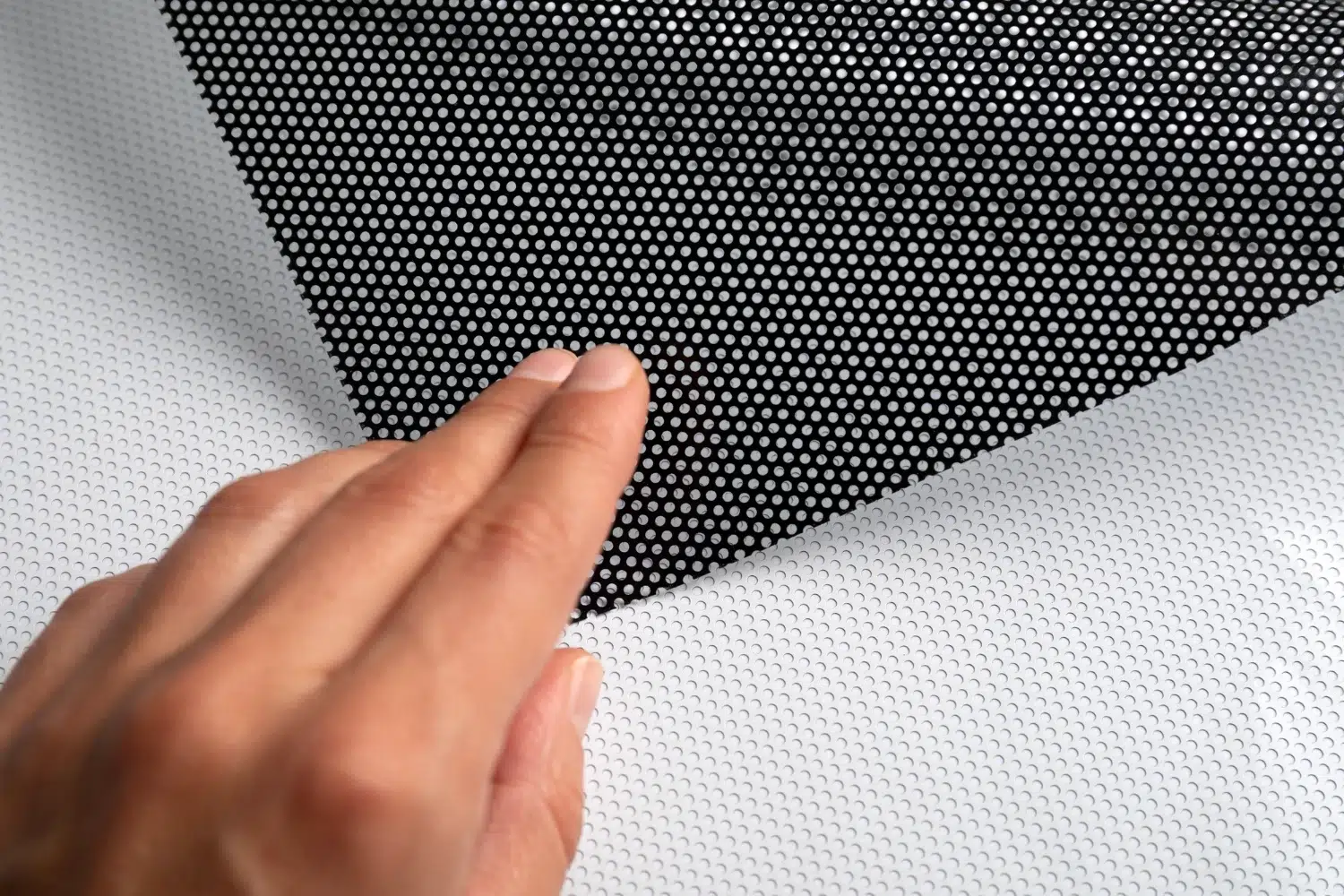
Black mesh fabric is one of those materials that looks simple from a distance but varies considerably in construction, performance, and suitability once you look at the specifics. The wrong product for the job fails faster, provides inadequate protection, or simply does not do what the application requires.
Whether you are managing shade in a horticultural setting, controlling erosion on a construction site, screening a fence line, or managing airflow in an industrial enclosure, the specification that matters most depends entirely on how the fabric is being used and what conditions it will face.
Sourcing black mesh fabric suited to your specific application starts with understanding the three variables that determine performance: shade factor, tensile strength, and UV stability. Getting these right produces a product that lasts. Getting them wrong means premature failure and replacement costs that quickly exceed the savings from choosing a cheaper product upfront.
Shade Factor: How Much Light Is Being Blocked
Shade factor is the percentage of solar radiation the fabric blocks and is the primary specification for any application where light and heat management is the purpose.
Low shade factor fabrics in the 30 to 50 per cent range allow significant light transmission and are suited to applications where some airflow and partial light penetration is desired. Nursery shade houses growing plants that require filtered rather than full shade, windbreak fencing around outdoor dining or entertainment areas, and temporary site screening where complete opacity is not required all fall into this range.
Mid-range shade factor fabrics between 50 and 70 per cent suit most horticultural shade applications, carpark shade structures, and building site perimeter fencing where dust and debris containment is needed alongside partial screening.
High shade factor fabrics above 70 per cent, including near-opaque options approaching 90 per cent, suit applications where maximum heat reduction, privacy screening, or debris containment is the priority. Greenhouse shade cloth for heat-sensitive crops, privacy fencing for residential or commercial properties, and containment screens around demolition sites all fall into this category.
Choosing a higher shade factor than the application requires reduces light and airflow unnecessarily. Choosing too low a shade factor means the fabric does not deliver the protection or privacy the installation was designed to provide.
Weave Type and Tensile Strength
The way a mesh fabric is constructed determines how it handles mechanical stress over time.
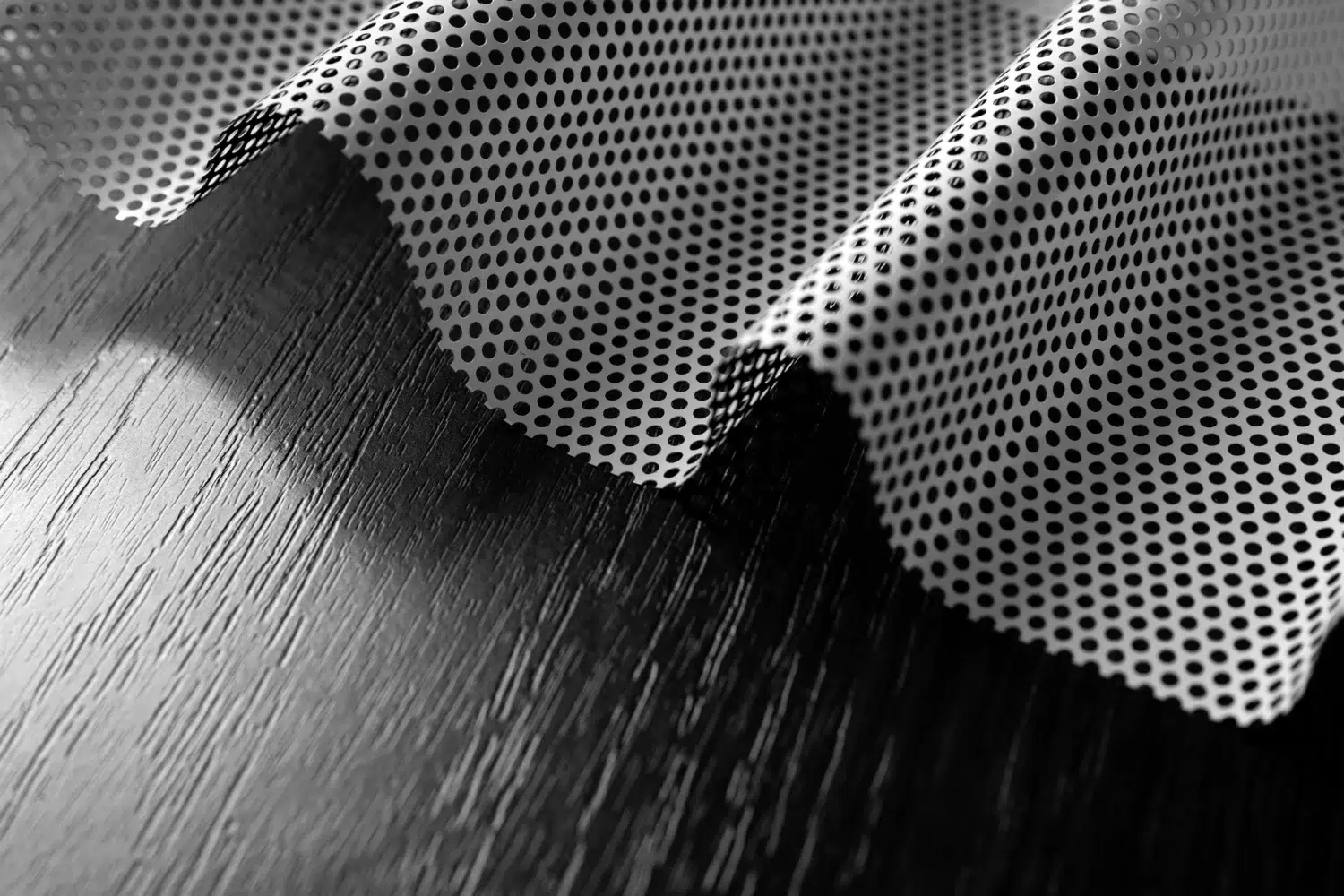
Knitted mesh fabrics use an interlocking loop construction that gives them good flexibility and resistance to tearing at cut edges. If a knitted mesh is cut or damaged, it does not unravel along the full length of a thread the way woven fabrics can. This makes knitted constructions particularly well suited to applications where the fabric is cut on-site to fit irregular dimensions or where it will be folded, creased, or handled frequently during installation and removal.
Woven mesh fabrics use a conventional over-under thread structure that produces a more rigid, dimensionally stable product. Woven constructions are better suited to applications where the fabric needs to hold a defined shape under load, resist stretching under wind pressure, or maintain consistent aperture size for filtration or separation purposes.
Tensile strength, typically measured in Newtons per centimetre in both warp and weft directions, determines how much pulling force the fabric can withstand before tearing. Applications subject to sustained wind load, the weight of debris accumulation, or repeated tension from securing ropes and fixings require higher tensile ratings than light-duty shade or temporary screening applications.
UV Stability and Outdoor Lifespan
Black mesh fabric used outdoors faces continuous UV exposure throughout its service life. Without adequate UV stabilisation built into the polymer during manufacture, the fabric becomes brittle, loses tensile strength, and degrades at the seams and edges well before it should need replacement.
UV-stabilised fabrics are rated by the number of seasons or years of outdoor exposure they are designed to withstand. Entry-level products rated for one to two seasons suit temporary or seasonal applications where the fabric will be stored away during periods of non-use. Mid-grade products rated for three to five years represent the practical choice for most permanent or semi-permanent installations. Heavy-duty options rated beyond five years are appropriate for infrastructure-level applications, large-scale agricultural installations, and situations where replacement involves significant labour or access cost.
The black colouration of these fabrics is relevant to UV performance. Carbon black pigment, which gives the fabric its colour, also acts as a UV absorber that slows photodegradation of the polymer structure. This is one reason black mesh fabrics often outlast coloured alternatives in outdoor applications, particularly those with strong UV stabilisation built in from manufacture.
Matching the Specification to the Job
The practical starting point for any mesh fabric selection is to define the application clearly before comparing products.
Identify whether shade factor, tensile performance, or UV lifespan is the primary driver for your use case. In most applications, one of these three variables is the binding constraint, and the others are secondary. Starting with that constraint and working outward produces a better match than selecting based on price or availability and hoping the product holds up.
A fabric specified correctly for its application from the outset delivers better performance, longer service life, and lower total cost than one that was simply available at the time of purchase.