
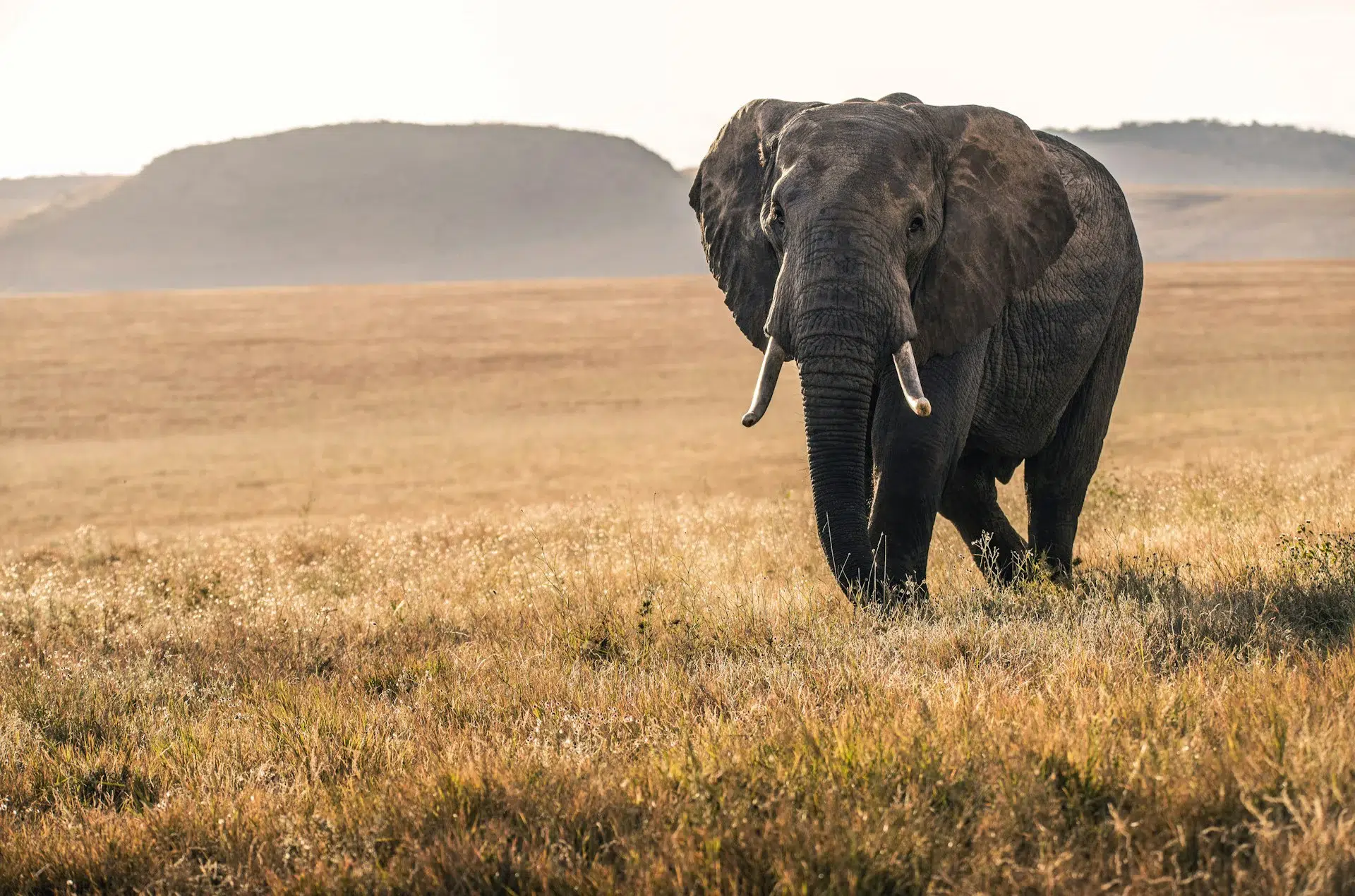
The first time I went on safari in the Mara was in 2014. The vehicle was a Land Cruiser with a broken air-con unit and a canvas roof that flapped in the wind on gravel roads. The camps had kerosene lanterns, shared bathrooms, and a bucket shower that arrived warm if you asked nicely at around 6 p.m.
Kenya in 2026 is barely the same place.
A Shift Worth Noticing
East African tourism has changed considerably over the past decade, and not just at the thread-count level. Ownership models changed. So did land-use, and so did the way conservation actually gets funded on the ground. What used to be a binary choice between rough camping and mid-tier lodges has broken open into a proper spectrum, with the top end now running in the same conversation as Aman and Rosewood when it comes to service, design, and privacy.
Why the change happened isn’t purely commercial. A significant slice of Kenya’s wilderness today is protected by private conservancies, which are land leased from Maasai landowners and kept as low-density wildlife zones. The lodges on those conservancies pay the leases, the ranger salaries, the veterinary bills, the school bursaries, and the community health clinics. When you pay USD 1,800 a night to sleep in a canvas suite with a copper bathtub and a butler, a meaningful share of that cheque keeps cheetahs on the land.
The new shape of luxury in the region is less about marble and more about impact.
The Nairobi Prelude
A lot of first-time clients still treat Nairobi as a pass-through. I think that’s a mistake.
The city has earned a role as an opening chapter rather than a layover. Giraffe Manor still runs the most photographed breakfast in Africa. Hemingway’s Nairobi continues to hold the bar for colonial-era elegance done properly. The recently restored Fairmont The Norfolk has earned its way back onto serious city lists. Between those three, you have the strongest pre-safari lodging group east of Cape Town.
The real reason to stay a night or two, though, isn’t the hotels. It’s Nairobi National Park and the conservation story that sits inside it.
The Orphanage Visit
Most of my luxury clients schedule a morning at the David Sheldrick Wildlife Trust, which sits on the park’s eastern edge. Between 11 a.m. and noon, the orphaned elephant calves are walked out from their stockades for public viewing. You’ll stand a few metres from them. They’ll pass close enough that you can see the coarse hair on their backs and hear the soft pad of their feet on dust. For a lot of my clients, that hour ends up being the emotional core of the whole trip.
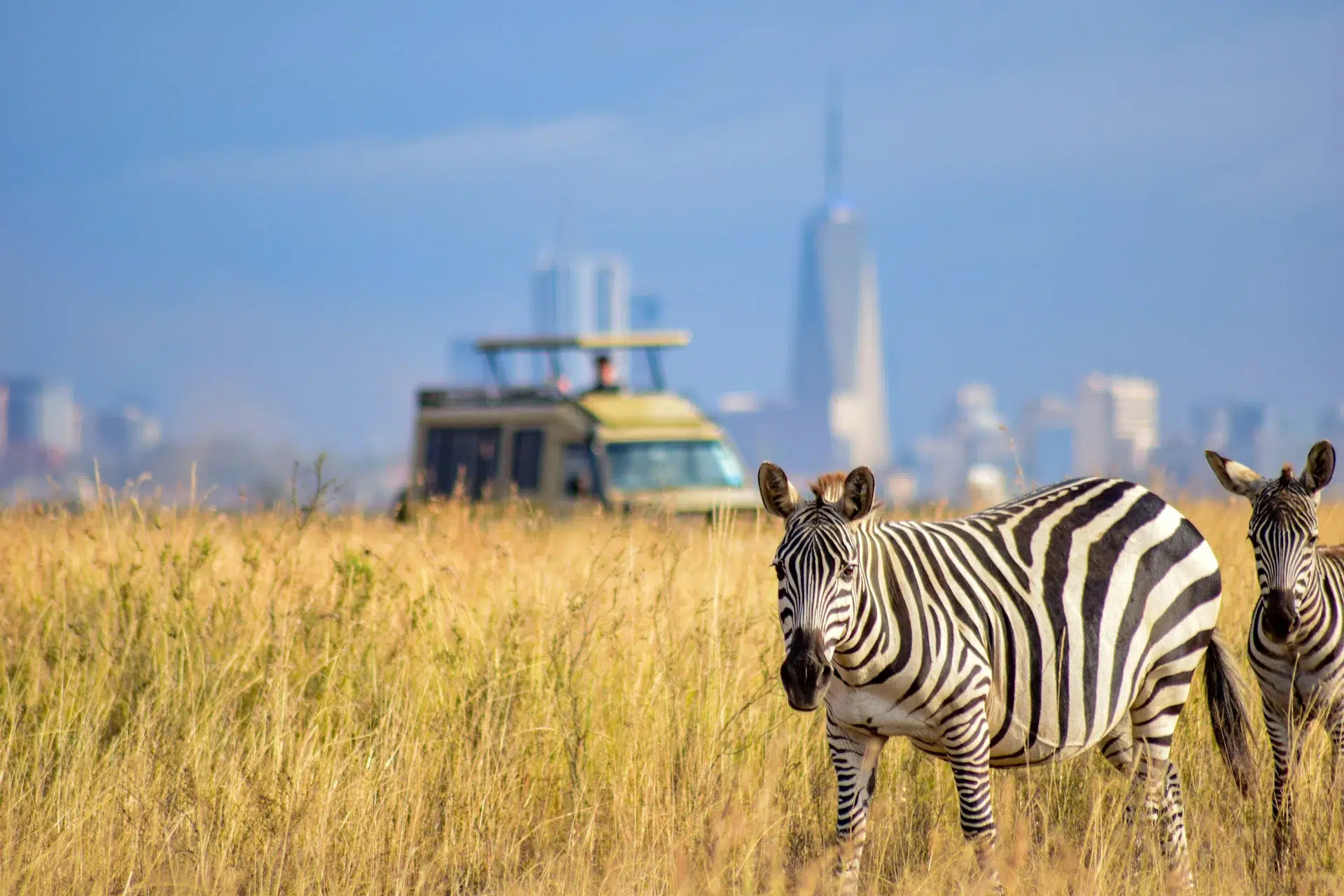
I always pair it with an early game drive inside the park itself. For booking timings and current gate logistics, the Nairobi National Park elephant orphanage guide is the most current resource. The park is also where rhinos graze with the Nairobi skyline visible in the distance, which has become a recognisable image of modern Kenya.
The Mara, Reconsidered
A short flight west, a brief land transfer in, and you arrive in the Mara ecosystem. What you find there depends heavily on where you’ve chosen to sleep.
The main Masai Mara National Reserve remains magnificent during the Great Migration. Between July and October, more than a million wildebeest and their zebra entourage cross the Mara River in staggered waves. If you want to witness a crossing in person, the main reserve is where it happens. That part hasn’t changed.
What has changed is the crowd at the crossing points. During peak season, 60 to 80 vehicles at a single crossing is routine. Off-road driving inside the reserve is banned, and so are night drives. The experience can start to feel closer to a wildlife parking lot than the postcard image you had in mind.
Where Luxury Actually Lives Now
The answer most insiders arrive at is to split the week. Two or three nights inside a reserve-adjacent private conservancy, such as Mara Naboisho, Olare Motorogi, Mara North, or Lemek, and then two or three nights at a camp close to the main reserve during the crossing peak. The conservancies give you privacy, off-road access, bush walks, and night drives. The main reserve delivers the spectacle.
Properties like Angama Mara, Mara Plains, Sanctuary Olonana, and Sala’s Camp are now running at the absolute top of the bush-luxury category. Choosing between them is less about cost and more about what kind of safari you actually want. A curated list of luxury Masai Mara safari lodges is a useful starting point when you’re deciding between modern architectural statements and classic canvas elegance.
What 2026 Looks Like on Paper
The numbers have moved. You should know them before you sign anything.
Masai Mara non-resident entry fees for 2026 sit at USD 100 per adult per day from 1 January to 30 June, and then jump to USD 200 per adult per day from 1 July through 31 December. Children aged 9 to 17 pay USD 50 year-round. The ticket is valid for 12 hours rather than the old 24, and that single detail still catches careful planners out.
Nairobi National Park entry for non-residents has been USD 80 per adult per day since the October 2025 adjustment. Payment now runs through the updated Kenya Wildlife Service portal at kwspay.ecitizen.go.ke. The older eCitizen URL is no longer active, which is a small detail that has tripped up more than one arriving traveler at the gate.
Mara fees go to Narok County rather than KWS, so they show up on your invoice as a separate line. Budget for them upfront.
The Moment That Still Ambushes Me
I remember the first morning, the bush genuinely overwhelmed me. It wasn’t during a river crossing or a kill. It was a quiet drive in the Mara North Conservancy around 6:30 a.m. The air had that Mara cold, dry, and thin, carrying the smell of leleshwa, the silvery bush that the Maasai crush into their armpits on long walks.
My guide that morning was Daniel, a licensed KPSGA guide with ten years of bush experience. He cut the engine. We sat in silence for what might have been ten minutes. A leopard came down from an acacia about 40 metres off the vehicle, slipped into the long grass, and was gone before anyone could say anything.
No one spoke on the way back to camp. There was nothing to add. That kind of morning is what the luxury industry has slowly been built to protect.
Honest Concerns, Answered
Is it actually safe? For the most part, yes, and especially so at the top end. The upper-tier camps have armed rangers, professional driver-guides, medical evacuation contracts in place, and working radio links with park authorities. The riskier part tends to be rural road transfers, which is why fly-in routing through Keekorok, Ol Kiombo, or Musiara airstrips is the default recommendation.
Is it worth the money in the off-season? In my honest opinion, yes. January through March in the Mara gives you resident big cats, the calving period, and much better photographic light. The migration is down in Tanzania during that window, but the Mara’s resident lion prides, leopards, and cheetahs all stay put year-round. You also pay half the peak-season park fee. For a repeat visitor, the low season is often the better trip.
Will my children actually enjoy it? Mostly, yes, but age restrictions matter more than most parents realise. A number of high-end camps won’t take children under six or seven, and a few require a minimum age of twelve. Private family villas like Angama Safari Camp or Richard’s River Camp work well for blended ages. Ask before you book rather than after.
A Final Note on Planning
One caveat worth leaving you with. Park fees have moved twice in three years with minimal notice. Camps close briefly for refurbishment without much warning. The Mara ecosystem runs on weather patterns that don’t always cooperate. A trip at this caliber genuinely needs local expertise on the ground to handle the 2026 fee structure, the internal flight timings, and the seasonal positioning of camps. Expertly curated Kenya luxury safari itineraries are the sort of thing that makes the difference between seamless and stressful on this front.
If you’re still in the exploring phase, I’d suggest reading pieces like Upscale Living’s own slow-safari dispatch from Segera Conservancy for a sense of where the ceiling of this industry currently sits. Then pick your month. The rest of the trip tends to design itself around that choice.


