
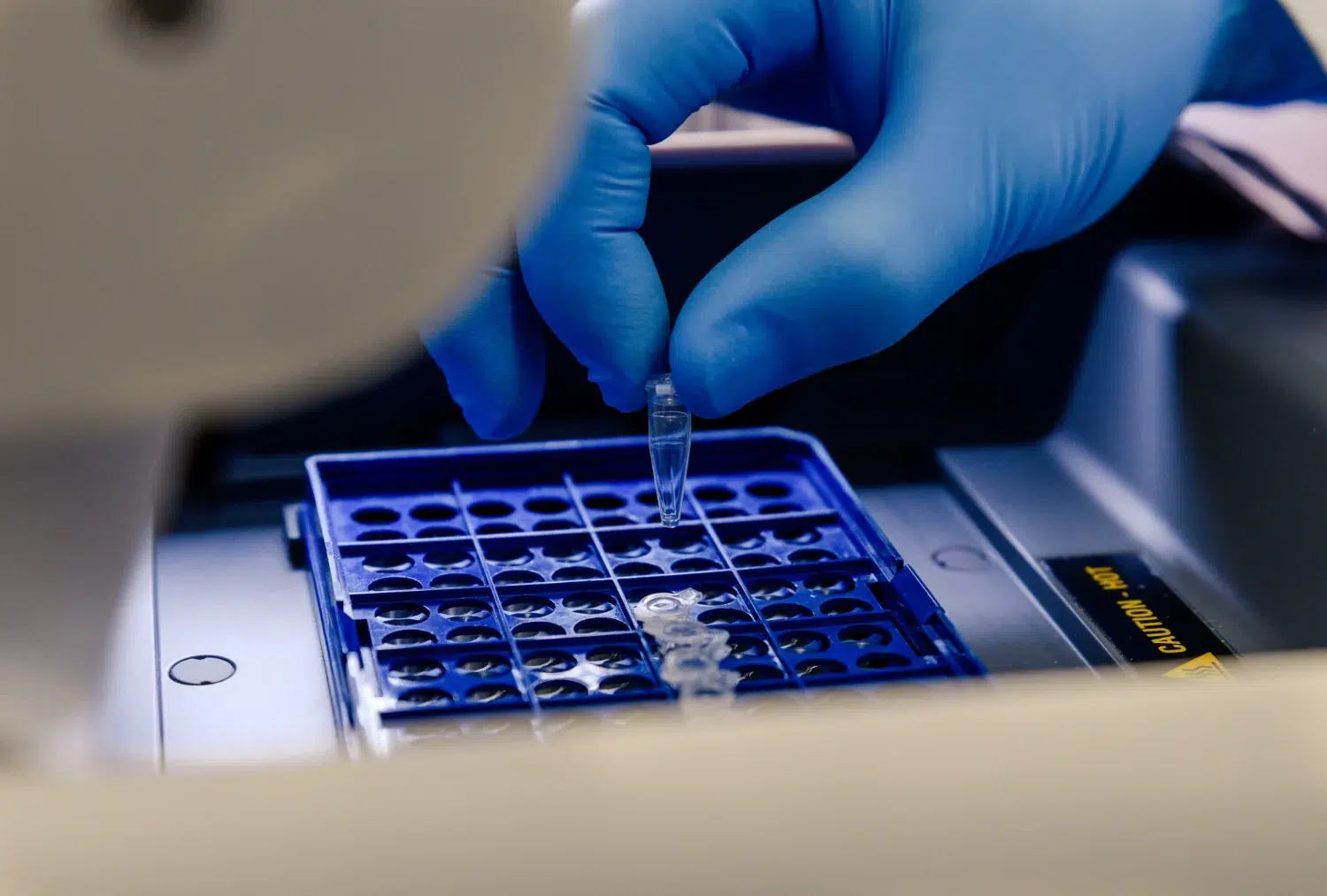
DNA extraction may seem to be a simple process, but in reality, minute mistakes can influence yield and purity. This can make you observe different results in samples, even when the starting material seems to be similar.
In other instances, contamination, incompetent lysis, or degradation of nucleic acids may interfere with downstream applications like PCR or sequencing. These problems reduce the pace of experiments and usually create cycles of troubleshooting that stall progress.
However, these challenges can be reduced by improving consistency across each step of the workflow when using a DNA extraction kit. Attentive handling of the sample and reagent preparation can make a tangible difference in the results.
This article elaborates on practical measures to enhance performance and consistency when handling a DNA extraction kit.
1. Use High-Quality Starting Material for Better Extraction Results
With a DNA extraction kit, the starting material quality has a direct impact on the yield and purity of DNA. New or well-preserved samples tend to provide more reliable results compared to degraded or poorly preserved samples.
Repeated freeze-thaw cycles are not advised since they damage nucleic acids and reduce the efficiency of extraction. Store samples under conditions of stability depending on whether they are cells, tissues, bacteria, or environmental material. This aids in preserving the integrity of DNA prior to extraction.
In the case of debris, proteins, or inhibitors in samples, a simple pre-cleaning procedure such as centrifugation or washing is acceptable. This minimizes contamination and enhances the efficiency of lysis. Additionally, pair the type of sample with the appropriate protocol. Various materials respond differently to extraction, and thus, minor changes enhance uniformity.
2. Maintain Reagent Stability for Consistent Performance
The quality and stability of reagents have a very strong impact on the results of extraction. Exposing enzymes and buffers to repeated temperature variations or improper storage can cause their inactivation. Even minor degradation might lower the yield of DNA and can introduce variation in experiments.
To prevent this, all reagents should be stored as advised, and where possible, they should be subdivided into small aliquots. This minimizes freeze-thaw processes and also assists in preserving enzyme activity. Combine reagents carefully, as intense mixing may rupture delicate reagents or cause bubbles that may interfere with reaction performance.
Reagents should be allowed to warm up gradually before use. Lysis and binding efficiency can be lowered by sudden shifts in temperature. Labelling components and tracing batch numbers also. Variation between different lots can be slight; hence, appropriate tracking can ensure consistency between experiments.
3. Optimize Cell Lysis for Maximum DNA Release
One of the most significant steps in DNA extraction is cell lysis, since it regulates the amount of DNA released by the sample. Unless lysis is complete, DNA is lost even when subsequent processing is performed properly.
To enhance this step, be accurate in measuring lysis buffer ratios and make sure that samples are completely submerged. Combine samples sufficiently to ensure that every cell comes into contact with reagents. Inefficiency caused by poor mixing results in inconsistent output. Regular pipetting is also used to minimize sample variability.
With hard samples like bacteria, yeast, or solid tissue, additional procedures might be required. This may involve an extended incubation or light treatment with enzymes to rupture tough cell walls.
Temperature is also a consideration. Low or fluctuating heat may slow the degradation of cells and decrease the release of DNA. The cells must be properly lysed to guarantee a high yield and downstream performance.
4. Adjust Binding Conditions for Higher DNA Recovery
Purification relies on proper chemical conditions, such as salt concentration, ethanol ratio, and sample mixing. When these conditions are not optimized, nucleic acids might not bind to the column matrix and are lost during washing.
To enhance recovery, make sure the lysate is mixed well with the binding buffer, then load it onto the column. There is less interaction between DNA and silica surfaces with incomplete mixing, which directly reduces yield. Do not overload the column: too much sample may saturate binding sites and decrease performance with all samples.
Centrifugation procedures should also be done in the same way as advised. Lack of sufficient spin speed or time can lead to either incomplete binding or flow-through and uneven flow-through. These conditions require consistency to maintain the efficient binding of DNA and retention of DNA during the purification process.
5. Refine Wash Steps for Cleaner DNA Output
Wash steps are essential for removing contaminants that can interfere with downstream molecular biology applications. Even when DNA yield is high, poor washing can leave behind salts, proteins, or chemical residues that inhibit PCR, sequencing, or enzymatic reactions.
To improve this stage, always use wash buffers in the correct sequence without skipping or modifying steps. Each wash cycle should be followed by complete centrifugation to ensure contaminants are fully removed from the column matrix.
Residual ethanol is one of the most common issues during washing. If not fully removed, it can inhibit enzymatic reactions later in the workflow. Proper drying of the column after the final wash steps helps eliminate this risk.
Additionally, changing collection tubes at each step prevents cross-contamination and maintains sample purity. Careful execution of wash steps significantly improves DNA quality and downstream reliability.
6. Adjust Elution Conditions for Higher Yield Recovery
Elution determines the final concentration and total recovery of DNA from the purification column. Small changes in elution conditions can significantly influence overall results, especially when working with low-input samples.
Using a low-salt elution buffer generally improves DNA release from the silica membrane. Allowing the buffer to sit on the membrane for a short period before centrifugation increases contact time and improves recovery efficiency. In some cases, pre-warming the elution buffer can further enhance DNA release, especially for high-molecular-weight samples.
Multiple elution steps may be used when maximum yield is required, although this may slightly reduce concentration. Therefore, it is important to balance total yield with downstream application needs.
For PCR-based applications, concentration may be more important, while for sequencing, total yield may take priority. Adjusting the elution strategy based on experimental goals leads to more effective results.
Conclusion
Improving DNA extraction results requires careful control of each step rather than relying only on the kit itself. High-quality starting material, stable reagents, efficient lysis, and optimized binding conditions all contribute to better outcomes. In addition, precise wash steps and well-adjusted elution strategies ensure higher purity and more consistent yields.
When each stage of the workflow is handled with consistency and attention to detail, DNA extraction becomes more reliable and reproducible across different sample types. This not only improves data quality but also ensures better performance in downstream applications such as PCR, sequencing, and cloning, where accuracy is critical for meaningful results.


