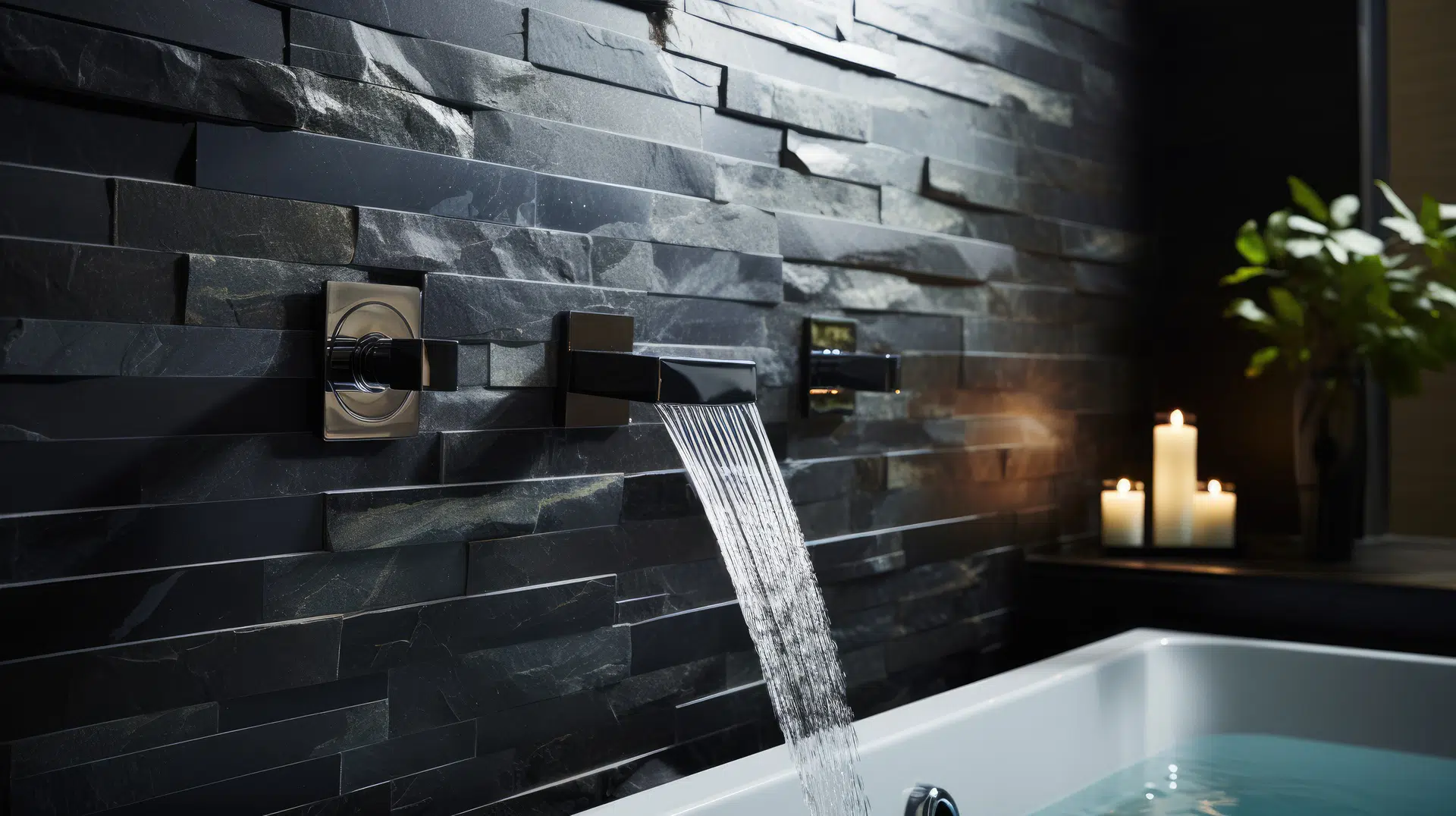
Waterfall faucets are a statement piece for any modern bathroom or kitchen, combining aesthetic charm with innovative functionality. Their sleek design and soothing water flow offer an elevated experience, mimicking the tranquil flow of a natural waterfall. If you’re ready to enhance your home with one of these stylish fixtures, this comprehensive step-by-step guide will help you install a waterfall faucet like a pro.
- Introduction
- Understanding Waterfall Faucets
- Preparations For Installing
- Step-by-Step Installation Guide
- Choosing the Right Waterfall Faucet
- Conclusion
Understanding Waterfall Faucets
Waterfall faucets are unique fixtures designed to deliver water in a comprehensive, gentle stream. Unlike traditional faucets, their design emphasizes elegance and functionality, creating a luxurious feel for your bathroom or kitchen.
Benefits of Waterfall Faucets
- Aesthetic Appeal: These faucets act as a centerpiece in any space, with their modern and minimalist design adding a touch of sophistication.
- Eco-Friendly Flow: Many waterfall faucets are designed to conserve water while providing an efficient flow.
- Durability: Constructed with high-quality materials like stainless steel or brass, waterfall faucets are built to last.
- Enhanced Experience: The cascading water flow offers a calming effect, transforming routine tasks into relaxing moments.
Popular Waterfall Faucet Styles
Waterfall faucets come in various styles, including single-handle, double-handle, wall-mounted, and vessel sink options. When selecting a faucet, consider the design of your space and the type of sink or countertop you have.
Preparing for Waterfall Faucet Installation
Proper preparation is crucial for a smooth installation process. Whether upgrading an old faucet or installing a new one, these preliminary steps will save you time and effort.
Gather Your Tools and Materials
Having the right tools and materials at hand ensures a hassle-free installation. You’ll need:
- Adjustable wrench
- Screwdriver
- Plumber’s tape
- Silicone sealant
- Bucket or basin
- Towels or rags
- Replacement water supply lines (if necessary)
Turn Off the Water Supply
Locate and turn off the water shut-off valves beneath your sink. If you are unable to locate the individual valves, turn off your home’s main water supply. In order to prevent leaks throughout the installation procedure, this step is essential.
Remove the Old Faucet
If you’re installing a new faucet to replace an old one:
- Remove the water supply lines using an adjustable wrench.
- The mounting nuts holding the faucet to the sink should be loosened and removed.
- Carefully lift out the old faucet and set it aside.
Clean the Installation Area
Clean the sink surface where the new faucet will be installed. Remove any old sealant, debris, or residue to ensure a clean surface for a secure fit.
Step-by-Step Installation Guide
1. Install the Mounting Hardware
- Begin by placing the gasket or rubber seal (if provided) over the faucet hole in your sink. This will prevent water from leaking through the base.
- Position the waterfall faucet on the sink, aligning it with the mounting holes.
- As directed by the manufacturer, secure the faucet from underneath using the included nuts and washers.
2. Connect the Water Supply Lines
- Connect the supply pipes for hot and cold water to the faucet inlets. To prevent the water temperature from being mixed up, make sure you connect the lines correctly.
- To ensure a waterproof seal, apply plumber’s tape to the threads. Using an adjustable wrench, tighten the connections, taking care not to overtighten or harm the fittings.
3. Apply Silicone Sealant
- Apply a thin, even bead of silicone sealant around the faucet’s base. This will create a watertight seal and prevent water from seeping under the fixture.
- Wipe away any excess sealant with a damp cloth for a clean finish.
4. Secure the Faucet
- From beneath the sink, tighten the mounting nuts to secure the faucet in place.
- Double-check the alignment of the faucet to ensure it is straight before fully tightening.
Connecting the Water Supply Lines
With the faucet securely installed, it’s time to connect the water supply lines to the shut-off valves:
- Attach the lines to the corresponding valves and tighten them using an adjustable wrench.
- Restart the valves gradually while inspecting all connection points for leaks. Reapply the plumber’s tape as necessary or slightly tighten the connections if you find any leaks.
Testing and Adjusting the Waterfall Effect
Once everything is connected, it’s time to test your new faucet:
- Turn on the faucet to check the water flow and pressure.
- Adjust the handles to ensure smooth operation and proper water temperature.
- Observe the waterfall effect to ensure the water flows evenly across the spout.
- Check for blockages or adjust the water pressure if the flow is uneven.
Maintenance and Care
Regular maintenance is vital to keeping your waterfall faucet looking and performing its best.
Cleaning Tips
- Daily Cleaning: Wipe the faucet with a soft, damp cloth to remove water spots and prevent mineral buildup.
- Deep Cleaning: Use a mild, non-abrasive cleaner for a thorough clean. Avoid harsh chemicals that can damage the finish.
Preventing Mineral Buildup
- For areas with hard water, consider using a water softener or cleaning the faucet regularly with vinegar to dissolve mineral deposits.
Periodic Inspections
- Check the water supply lines and connections periodically for leaks or wear and tear.
- Tighten loose fittings and replace damaged parts as needed.
By following these simple steps, you can ensure your waterfall faucet remains in top condition for years.
Choosing the Right Waterfall Faucet
When selecting a waterfall faucet, consider factors like:
- Material: Opt for durable materials such as stainless steel or brass.
- Finish: Choose a finish that complements your bathroom or kitchen decor, such as chrome, brushed nickel, or matte black.
- Compatibility: Ensure the faucet matches your sink type and countertop design.
- Features: Look for additional features like LED lighting, temperature control, or water-saving technology.
Installing a waterfall faucet is a rewarding project that enhances the functionality and aesthetics of your home. By following this step-by-step guide, you can quickly achieve a professional-looking installation.
Explore high-quality waterfall faucets and elevate the elegance of your bathroom or kitchen today. With proper installation and maintenance, your new faucet will provide a stunning focal point and a soothing water flow experience for years.
Leap today and experience the difference a waterfall faucet can make in your home!