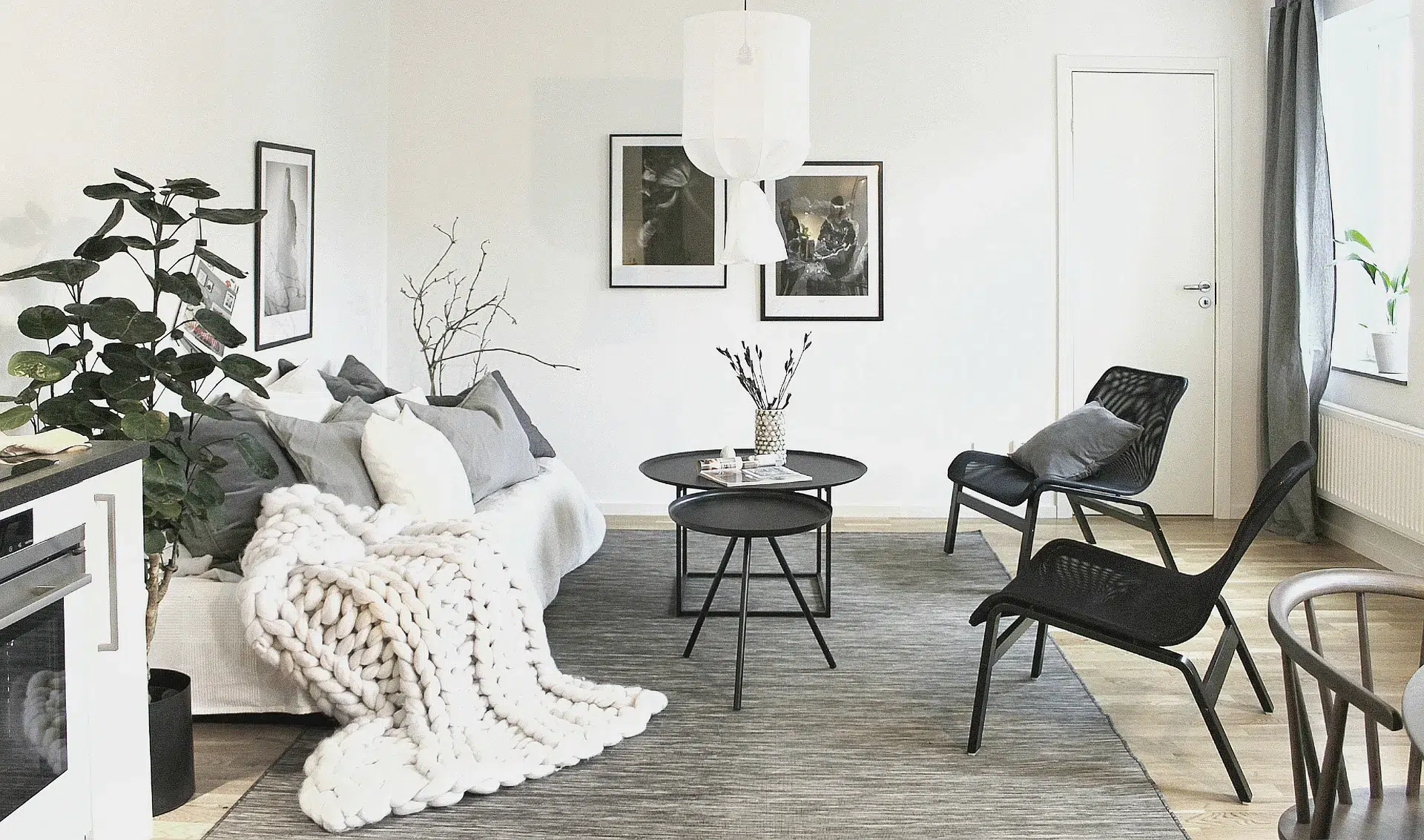
Every room tells a story through the items you pick for it. Most people spend a long time choosing the right paint colors.
They forget that the way a room feels to the touch matters just as much. Texture is the secret tool that makes a house feel like a home. It adds depth and comfort to any space without needing a total remodel.
The Basics Of Tactile Design
A professional design group noted that touch is often an undervalued sense when people decorate homes. Their research showed that the skin is a massive sheet of receptors that lets people connect with their surroundings. Using varied materials makes a space feel grounded and real.
When you touch a smooth stone or a soft fabric, your brain reacts to that sensory input. This interaction helps you feel more present in your own home. Professional designers use this trick to make rooms feel more expensive without spending a lot of money.
Your eyes can sense how a surface might feel before you even get close to it. This visual texture is what creates the atmosphere of a room. Mixing rough and smooth surfaces keeps your brain engaged with the space.
Using Rugs To Define Your Space
Picking a floor covering is one of the most important steps in any room makeover. Rug experts from RugNCarpet say that layering different pile heights adds immediate character. You should try stacking a thin piece over a thicker one.
High pile options offer a sense of luxury and warmth under your feet. Flat weaves are great for areas with a lot of foot traffic, like halls or entryways. Combining these 2 types helps separate different zones in an open floor plan.
You can use 1 large area rug to anchor all your furniture in the living room. Smaller pieces can highlight a reading nook or a small coffee table. Mixing the materials of these rugs keeps the floor from looking too plain.
Layering Materials For Emotional Comfort
Architectural professionals have found that using a variety of materials supports the emotional needs of those living in a house.
Their studies suggest that tactile variety works with natural light to create a healing environment. The way a material reacts to light can change your mood as you move through the room.
Soft textiles like velvet or faux fur provide a sense of security and warmth. Harder materials like marble or steel add a sense of stability and permanence.
Balancing these extremes is the secret to a space that feels both modern and cozy. You should try to pair a soft blanket with a sleek leather chair to see the effect.
Think about the pieces of furniture you touch the most every day. Your sofa and your bedding should be the softest items in the room. Using materials that feel good against your skin makes your home a better place to live.
The Role Of Color And Material Specification
A report from a state university explained that matching specific materials with color advances the design. Students who worked on gallery projects found that texture and color specification make a space more functional.
A matte navy wall feels different than a glossy navy wall. The texture changes the way light hits the color and shifts the mood of the whole room. Designers use these small differences to guide your eye through a home.
You should consider how your fabric choices will look next to your wall paint. Rough fabrics can make a dark color look even deeper and richer. Shiny fabrics can make a small room feel much brighter by reflecting light around the space.
Combining Hard And Soft Surfaces
A balanced room needs a mix of 5 or 6 different textures. Smooth surfaces like glass or polished metal often feel cold on their own. You can fix this by adding natural elements like wood or wool to the mix. This balance prevents a room from feeling like an office or a museum.
- Place 1 leather chair next to a soft linen sofa for contrast.
- Use 2 ceramic lamps with rough shades on a glass table.
- Add 3 woven baskets under a sleek metal bench.
Wood adds a natural warmth that works well in any style of home. You can mix different wood grains to add even more depth to your design.
Natural stone is another great way to add hard texture. A marble countertop or a stone fireplace adds a sense of weight to a room. You can soften these hard edges with plush rugs or soft pillows.
Creating Visual Interest With Patterns
Patterns are not just about the prints on your pillows or curtains. The physical weave of a cloth creates a pattern that you can see and feel. Mixing these textures prevents a room from looking flat or boring. It gives the eye something to look at and explore in every corner.
- Combine a subtle herringbone floor with a thick wool rug.
- Mix 4 pillows with different weaves on a neutral couch.
- Pair silk curtains with a matte-finished wall.
Large patterns should be used on items that take up a lot of space. Small patterns are perfect for tiny accents and smaller accessories. Using both together creates a sense of professional balance and scale. It keeps the room from feeling overwhelmed by 1 single look.
Balancing Contrast In Your Living Room
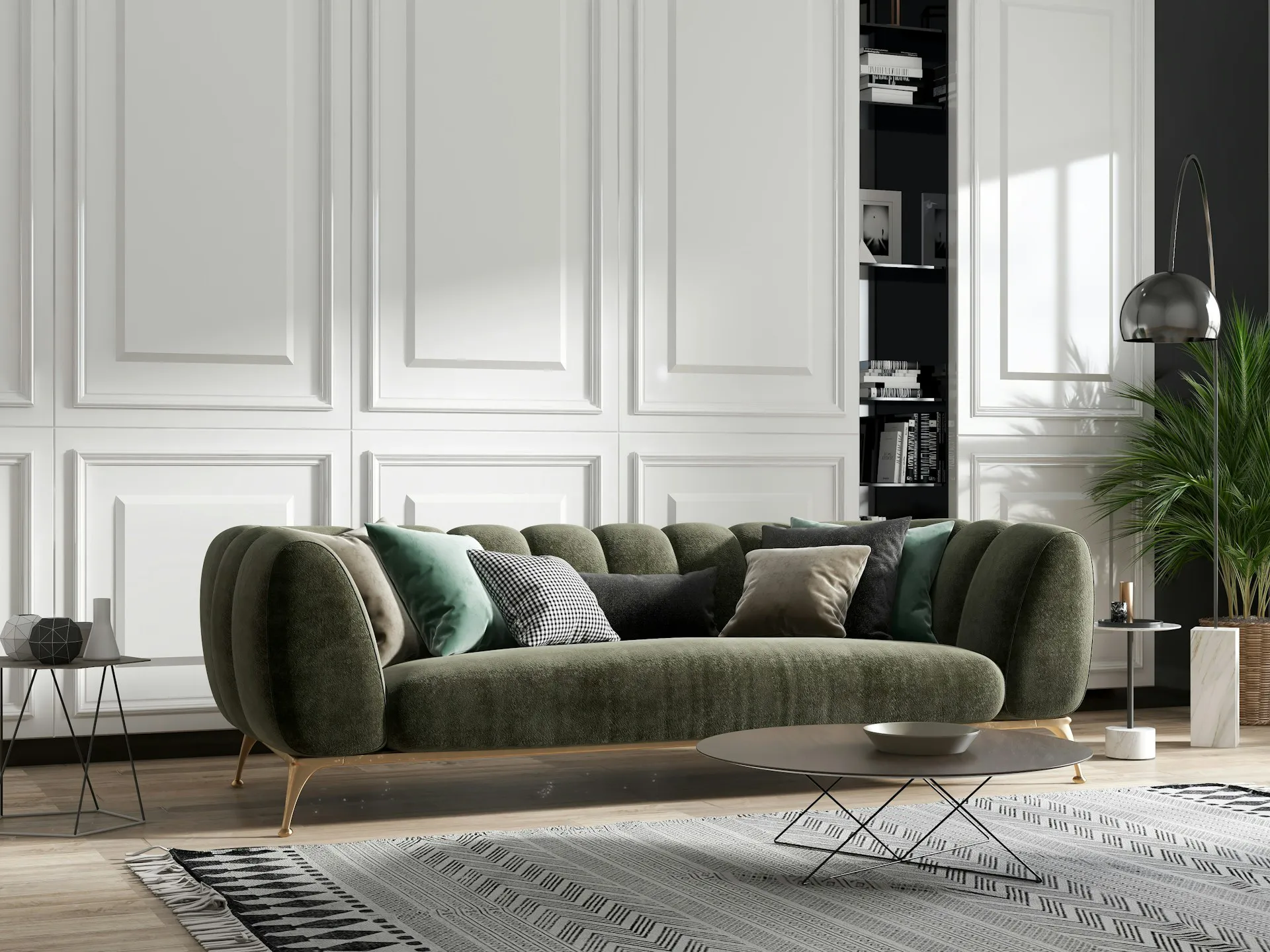
Contrast is what makes a room feel finished and polished. If every surface is soft, the space might look messy or unstructured.
If every surface is hard, the room might feel sterile or unfriendly to guests. Finding the middle ground is the goal of every professional interior designer.
Try to use at least 1 rough surface for every 2 smooth ones in your home. A rough wooden table looks great sitting on a soft area rug. This mix of feels makes the room interesting to look at and to inhabit.
Lighting plays a huge part in how textures appear to the eye. Soft light makes fuzzy materials look even warmer and more inviting.
Bright light can highlight the details in a stone or wood surface. You can use different types of lamps to change how the textures in your room look at night.
Small changes like a new rug or a few pillows can change the whole feel of a room. Design is about making a space that reflects your personality and makes you feel good. It is your chance to create a place that is uniquely yours.