
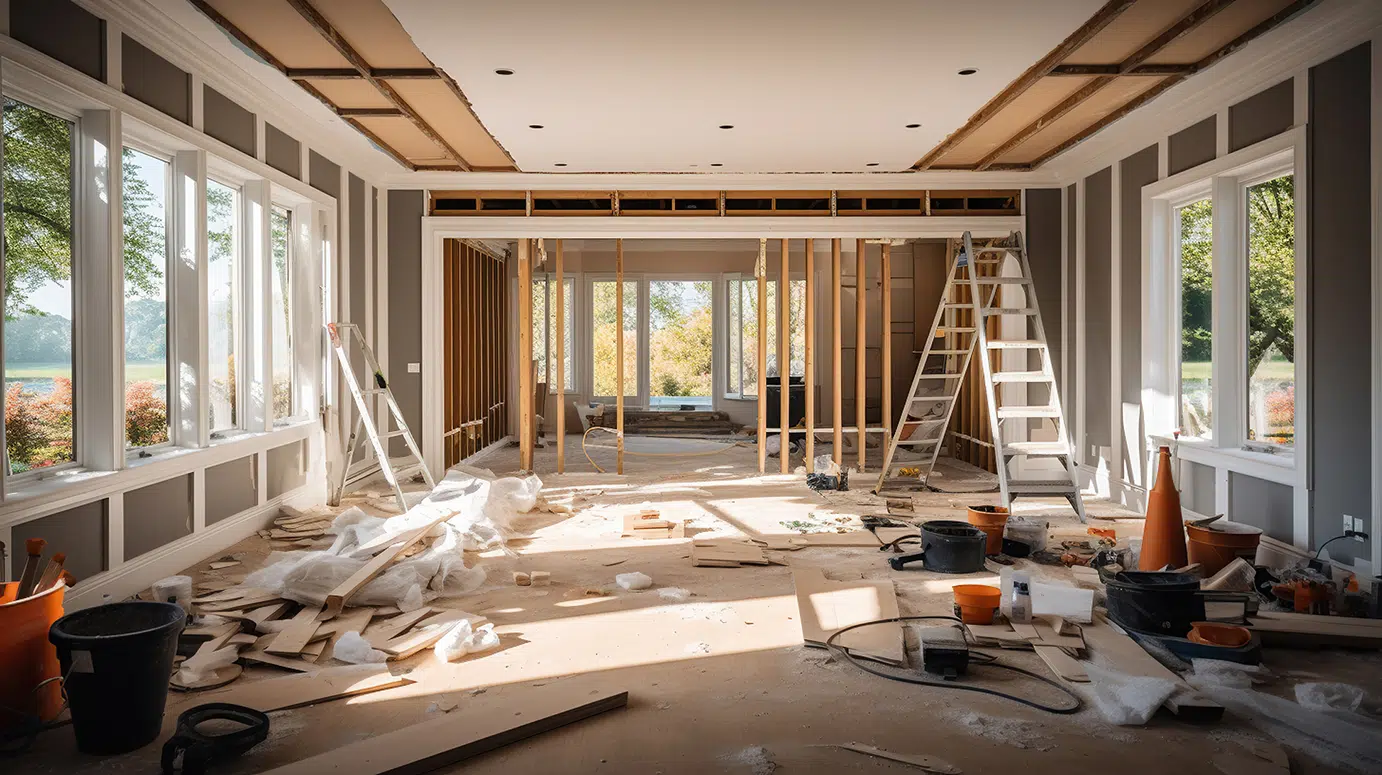
At some point, a kitchen no longer fits the way you cook, a bathroom feels tired, or the layout stops supporting daily life. For many homeowners, that is the point where a simple refresh is not enough, and a more considered renovation starts to make sense.
The challenge is not ambition. It is sequencing. A luxury renovation involves designers, surveyors, council processes, specialist trades, and long-lead materials, all moving in a set order. Get that order wrong, and you can lose time, budget, and confidence.
This guide walks through the main stages of a high-end residential renovation in New Zealand, from early vision-setting to handover, with notes on which experts to involve and when.
Define Your Vision and Scope
Before drawings begin, clarify what the renovation needs to change. Clear priorities help your design team make better choices about layout, budget, materials, and consent strategy.
Lifestyle Goals
Start by listing how you want the home to work. Are you hosting regularly and need an open entertaining flow? Are you adding a wellness space with a sauna or plunge pool? Does a home office need to feel separate from the rest of the house? Written priorities give your design team real direction rather than vague aspirations.
Architectural Intent
Think about the character of the renovation. A heritage villa in Ponsonby calls for a different approach than a modern home on the North Shore. Decide early whether you are restoring original features, adding a contemporary extension, or blending both. This decision affects materials, consent requirements, and cost.
Space Planning Priorities
Rank the rooms and zones that matter most. For many homeowners, the kitchen, primary suite, and a spa-like bathroom sit near the top. Knowing your priorities early helps the design team allocate budget and floor area where you will feel the biggest difference.
Budget, Allowances, and Contingency
Luxury renovations carry real complexity, and a single-line budget rarely survives detailed planning. Break yours into three layers.
First, set allowances for fixtures and finishes such as tapware, lighting, tiles, and joinery hardware.
Second, include provisional sums for work that cannot be fully scoped until walls are opened, such as rewiring, reframing, or weathertightness repairs.
Third, hold a meaningful contingency. The exact figure depends on the age and condition of the property, but the principle is simple: hidden work is common, and funding it from a contingency is far better than making rushed cuts later.
Have an honest conversation with your project lead about where the budget has flexibility and where it does not. That clarity prevents awkward surprises mid-build.
Timeline and Sequencing
A well-run renovation follows a predictable arc: discovery, concept design, developed design, consent documentation, procurement, construction, and handover. Each phase feeds the next.
The biggest driver of delays and cost overruns is late decision-making. When finishing selections, fixture choices, or layout changes happen during construction rather than design, they create variations. Variations cost money and can push timelines out.
Lock in as many decisions as possible before construction begins. Ask your designer to set clear sign-off milestones so nothing drifts. A realistic programme may allow several months for design and consents before a builder arrives on site, and that upfront patience often pays off during the build.
Permits and Planning Approvals in New Zealand
In New Zealand, most structural alterations, changes to plumbing or drainage, and work affecting the building envelope will trigger a building consent from your local council. If you are in a heritage overlay zone or changing a street-facing facade, you may also need a resource consent.
The rules vary by council, so get professional advice early. A design professional who knows your local authority can help identify which parts of the project need consent and what documentation the council will expect. Engaging that expertise before drawings are lodged reduces the risk of redesigns after work is already underway.
Engineering, Geotechnical, and Pre-Design Checks
Before consent drawings move into detail, the design team often needs input from a structural engineer for wall removals, widened openings, or added levels. A geotechnical engineer may also be needed on hillside, sloping, or filled sites.
These early checks shape what is possible inside your budget. A wall you assumed could be removed may need a steel beam or footing upgrade. Catching these constraints during pre-design is far cheaper than redesigning after consent has been lodged.
Site Due Diligence and Surveys
Before detailed design begins, you need accurate information about the site. A topographical survey captures existing ground levels, building footprints, boundary positions, and underground services. This data feeds into your design drawings and helps your engineer and designer avoid surprises.
Engaging a local surveyor who knows your suburb and council is usually the easiest way to confirm site levels, boundaries, and services for your design team. Getting the survey done early can save weeks of rework later.
Design Development and Specifications
Once the site information is in hand and the concept design is approved, the project moves into detailed design. This is where decisions become specific enough for pricing, consent, and construction.
Lighting Layers
Good lighting design uses multiple layers: ambient, task, and accent. Plan circuit zones and dimming groups during design rather than retrofitting them during construction. Your electrician and designer should agree on a lighting layout before walls are lined.
Acoustics and Insulation
Sound transfer between rooms matters in a high-end renovation. Specify acoustic insulation in bedroom walls, media rooms, and bathrooms. It is an invisible upgrade, but it can noticeably improve how the home feels to live in.
Smart Home Prewiring
Even if you are not installing a full automation system now, run data cable and conduit to key locations. Retrofitting smart home wiring after plasterboard is up is expensive and disruptive.
Finish Schedules
Create a detailed schedule listing surface finishes, tile selections, paint colours, handles, hinges, and other hardware. This document becomes the reference point during construction. For inspiration on material palettes in high-end homes, this luxury lifestyle publication offers useful context on contemporary architecture and interior trends.
Bathrooms and Wet Areas
Bathrooms are often the most technically demanding rooms in a renovation. Waterproofing, falls to drains, ventilation, and underfloor heating all need to be resolved in the design phase, not improvised on site.
Start by confirming your waterproofing system and make sure it meets New Zealand Building Code requirements for wet areas. Specify ventilation ducting to the exterior, not just into the ceiling cavity, and decide on underfloor heating zones before the floor is laid.
Lead times for imported stone, custom vanities, and specialty tapware can stretch to several months. Order these items as soon as selections are confirmed. For a spa-like upgrade in Canterbury, it can help to explore bathroom renovations in Christchurch and review how local specialists sequence consultation, design, waterproofing, and post-build follow-up. Ben Ltd frames its bathroom renovation services around Christchurch and wider Canterbury, which gives a useful example of a structured local process.
Kitchens, Appliances, and Storage
A luxury kitchen renovation is also a workflow project. Think about how you cook, how many people use the space at once, and where things need to land when you walk in the door.
Appliance selection drives more of the design than many homeowners expect. Induction cooktops, steam ovens, and integrated coffee machines each have specific power, ventilation, and cabinetry requirements. Confirm appliance models before your joinery maker finalises dimensions.
Storage is the other half of the equation. Deep drawers, pull-out pantry systems, and dedicated zones for small appliances keep benchtops clear. If your household separates recycling and compost from general waste, plan for those bins from the start.
Plumbing, Gas, and Drainage Coordination
Plumbing touches almost every part of a renovation. Coordinating it early prevents costly clashes during the build.
Start with a fixture schedule. This is a list of every tap, basin, toilet, shower, and bath in the project, along with rough-in dimensions and connection requirements. Your plumber uses it to plan pipe runs before framing is closed.
Hot water deserves its own conversation. A cylinder system suits some homes; an instantaneous, continuous-flow system suits others. The choice affects gas supply sizing, electrical capacity, and the space needed for equipment. If you are running gas to a cooktop or fireplace as well, your gasfitter needs to size the supply for the whole house, not just one appliance.
When you are ready to line up trades, you can find a trusted plumber in Palmerston North to coordinate bathroom and kitchen rough-ins, hot water systems, gas fitting, and drain laying. U Need A Plumber outlines these services for Palmerston North and nearby areas, which can be a helpful starting point if your property is in that region.
Waterproofing, Insulation, and Quiet Coordination
Renovations often hit delays in the spaces between trades. Waterproofing is a clear example. Bathrooms and laundries depend on a continuous waterproof membrane behind tiles, and the work must happen before tiling, but after rough-in plumbing is checked. Missing the right window can force a rebuild of finished surfaces, which is expensive and slow.
Insulation is another silent coordinator. Wall and ceiling insulation goes in after services are roughed in, but before linings are fixed, so any late changes to electrical points, ducting, or plumbing runs can hold up the next stage. Confirm sign-offs at each step rather than relying on a single end-of-build inspection.
Communication between trades makes these handovers smoother. Ask your builder how they pass site notes between the plumber, electrician, waterproofer, and tiler. A short shared site diary often prevents the small mistakes that turn into big rework later.
Exteriors, Fencing, and Curb Appeal
It is easy to focus on interiors and forget that the exterior sets the first impression. Cladding repairs, repainting, and boundary upgrades are worth scheduling into the programme rather than treating them as an afterthought.
Preparation is the difference between a paint job that lasts and one that peels quickly. In Auckland’s humid, salt-laden climate, timber fences and gates weather fast. Proper cleaning, sanding, priming, and application all affect longevity. For boundary upgrades in this climate, you can find professional fence painters in Auckland to handle preparation, application, and quoting. Elite Painters’ fence painting service in Auckland describes a workflow covering assessment, surface preparation, and application, which gives a sense of what is involved.
Coordinate exterior work with your builder’s programme so scaffolding, if needed, is available at the right time.
Procurement, Lead Times, and Quality Control
Ordering materials and fixtures on time is one of the least glamorous parts of a renovation, and one of the most important. Create an ordering schedule tied to your construction programme. Stone benchtops, custom joinery, imported tiles, and specialty hardware can all have long lead times.
Request physical samples and approve them in person, not only on screen. Colours and textures look different under your own lighting than they do in a showroom or on a website.
Before walls are lined and floors are laid, photograph the framing, plumbing rough-ins, electrical runs, and insulation. These photos become a useful record if you ever need to locate a pipe or wire behind a finished wall.
Conclusion
A luxury renovation is a major commitment of time, money, and energy. When it is planned in stages, with the right experts brought in at the right moments, the process becomes easier to manage. Vision feeds design, design feeds consents, consents feed procurement, and procurement supports a smoother build. Trust the sequence, make decisions early, and document the details.
FAQs
When should I involve a designer or architect?
Involve a designer or architect as early as possible, ideally before you set a final budget. A design professional can help you understand what is realistic for your site, goals, and likely consent requirements.
How far in advance should I book trades?
For a large renovation, six to twelve months of lead time is not unusual for in-demand trades such as specialist plumbers, tilers, and custom joinery makers. Start conversations during the design phase so preferred trades can plan ahead.
How can I reduce disruption if my family is living in the house?
Talk to your builder about staging the work so you keep access to essential spaces where possible. Dust barriers and agreed working hours help, but for major renovations, many families find it less stressful to move out during the most intensive phase.
What should I expect at handover?
Your builder should walk you through the completed work, demonstrate systems such as heating and ventilation, and note any defects still to be resolved. Keep warranties, compliance documents, and council records in one folder for future reference or resale.


