
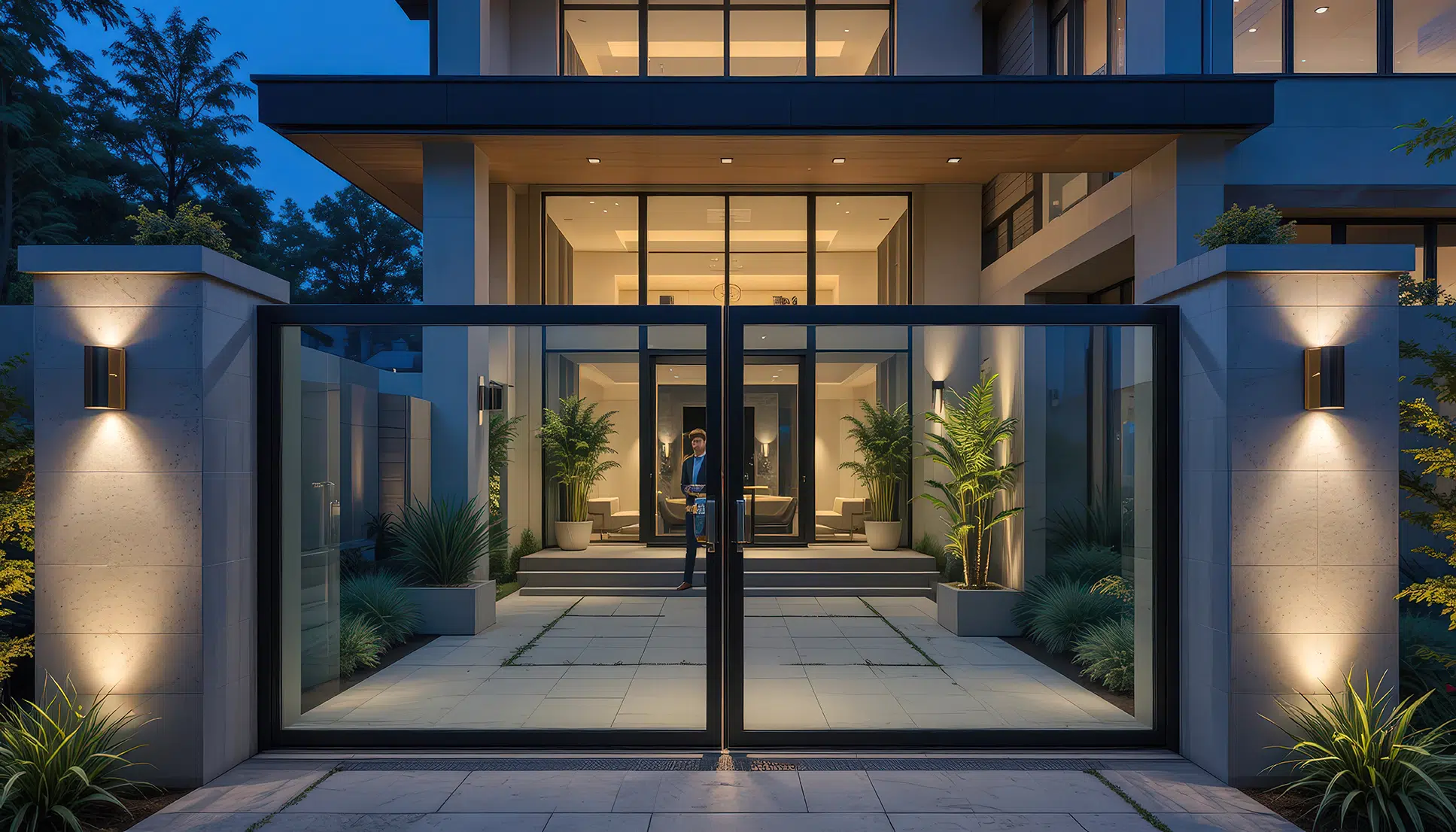
Picture arriving home to a coastal property where the front door recognises your phone, unlocks quietly, and relocks behind you. No fumbling for keys, no clunky keypad, and no hardware that interrupts the design of the entry. Modern locking can feel calm and simple when it is planned early. The challenge is choosing locks that suit the architecture, withstand salty air, and still protect your family, staff, and guests. This guide covers the main options, materials, access settings, and installation steps to consider.
What “smart and secure” means for a luxury residence
For a high-end home, modern locking solutions should be easy to live with. The best setup balances discretion, reliability, and control without adding daily friction.
Discretion over drama
The best security hardware disappears into the architecture. Look for smart locks built into mortise bodies that sit flush with bespoke timber or steel doors. Quiet motorised bolts, hidden readers, and finishes matched to surrounding hardware all help the system blend in. The goal is peace of mind without an industrial feel.
Reliability without friction
A lock that confuses your housekeeper or leaves a weekend guest stranded on the porch is not a good lock, no matter how advanced it is. Prioritise fast unlocking, clear mechanical fallbacks, and simple instructions. Battery backup is essential so the door still works when the power flickers during a summer storm.
Control from anywhere
Temporary digital passes for cleaners, tradies, or visiting family can be issued and revoked from your phone. Scheduled access windows mean the pool technician can enter the side gate on Tuesday mornings and at no other time. Simple audit logs let you see who arrived and when, without turning your home into a surveillance site.
Core locking options you will actually use
Most luxury homes do not need the same lock on every door. A practical plan usually combines smart access at high-traffic points with robust mechanical security elsewhere.
Discreet smart locks
Modern smart mortise locks can accept phone-based credentials via Bluetooth or NFC, integrate with platforms like Apple Home or Google Home, and store access logs locally or in the cloud. Before choosing a model, confirm it supports a mechanical key override and can unlock locally if the internet drops. Battery life varies, but many quality units run for about twelve months on standard cells.
High-security mechanical cylinders
Restricted-key cylinders with pick, drill, and bump resistance remain a strong choice for primary entry doors, internal safes, and wine cellars. They require no power, app, or updates. A qualified locksmith can supply cylinders with keys that cannot be copied at a retail store, adding another layer of control.
The hybrid approach
For most luxury homes, the strongest strategy is a blend. A smart mortise lock on the main entry gives you remote access and audit trails, while high-security mechanical cylinders protect secondary doors and storage areas. A mechanical key override built into the smart lock covers power and connectivity outages. This combination improves convenience without creating a single point of failure.
Materials and finishes that stand up to coastal life
Salt-laden air along the Fremantle and greater Perth coastline can accelerate corrosion on standard brass and zinc hardware. Within a year, cheaper fittings may pit, discolour, or seize. Choosing the right material at the outset saves money and frustration later.
316 stainless steel is the most common marine-grade option. It resists chloride attack well and suits contemporary door designs.
PVD-coated brass offers a warmer, traditional look while adding a hard surface layer that resists salt spray.
Silicon bronze develops a gentle patina over time and is popular on heritage-style entries. Whichever you choose, check the manufacturer’s corrosion resistance claims against the conditions at your property.
Routine care is simple. A monthly fresh-water rinse of exterior hardware removes salt deposits. A light application of non-petroleum lubricant to moving parts every quarter keeps mechanisms smooth. If you are comparing hardware with broader automation choices, related coverage of luxury home gadgets can help frame questions about durability, privacy, and maintenance.
Access that matches how you live
Security should reflect the way the household actually operates. Start by listing who needs access, when they need it, and which areas should stay private.
Staff and services
Cleaners, gardeners, and pool technicians can each receive time-limited digital codes or passes that expire automatically. This avoids physical key handovers and awkward conversations about returns. If a staff member moves on, revoke their access to your phone.
Family and guests
Set zone-based access so older children can unlock the main entry and garage, but not the home office or wine store. Weekend guests can receive a temporary code that deactivates on Monday morning. Keep audit views private and straightforward, so you stay informed without running the home like a checkpoint.
Second homes and travel
If you split time between Perth and a rural retreat or holiday house, remote lock checks offer reassurance while you are away. Grant a trusted neighbour limited access for emergencies and set up lockout safeguards so no one can be permanently locked out by a flat battery or expired code.
Privacy and safety must-haves
Convenience should never weaken basic safety. Before installing any connected lock, confirm how it behaves during outages, emergencies, and everyday family use. It also helps to review side gates, garage entries, balcony doors, storerooms, and other low-drama points that rarely get the same attention as the front entry; related guidance on overlooked security areas can support that wider check.
Mechanical override and offline unlock
Any smart lock worth installing should include a physical key override. If the internet goes down or the battery dies, you still get in. Avoid sharing master credentials broadly, and store a spare mechanical key in a secure, off-site location.
Emergency egress and child safety
Locks must never trap occupants. Verify that all entry locks allow free egress from inside without a key or code. Homes with young children should avoid interior smart locks that could create a hazard if a child accidentally changes a setting. When in doubt, consult a qualified locksmith or integrator for advice specific to your floor plan.
From plan to install: a simple 5-step roadmap
A clear plan reduces rework and helps the finished system feel integrated rather than added on later. Use these steps before ordering hardware.
Step 1: Map your doors and priorities
Walk through the property and list every access point: main entry, garage, side gates, bedroom suites, and safe storage. Rank each by risk and frequency of use. High-traffic, high-value doors should receive the most attention.
Step 2: Choose materials and finishes
Match hardware materials to your climate and design language. A coastal Cottesloe home may call for 316 stainless or PVD brass across exterior doors. Keep finishes consistent between locks, handles, and hinges for a cohesive look.
Step 3: Decide on smart, mechanical, or hybrid per door
Not every door needs a smart lock. A mechanical cylinder on the laundry door and a hybrid smart lock on the main entry can be a sensible mix. Base each decision on how often the door is used, who needs access, and the value of what sits behind it.
Step 4: Professional installation and setup
Correct mortise fitment, precise strike alignment, and fail-safe testing are not ideal DIY tasks for a luxury property. A professional installer can program access credentials, test battery backup, and confirm compatibility with your preferred smart home platform. For homeowners in Perth’s coastal suburbs, working with a mobile specialist such as a locksmith Fremantle can help specify marine-grade cylinders and arrange on-site installation with less disruption.
Step 5: Maintain and review quarterly
Check batteries, apply firmware updates, and rinse exterior hardware every three months. After any staff change, rekey mechanical cylinders or revoke digital credentials promptly. A short quarterly review keeps the system reliable year-round.
Spend smart: good, better, best
Good: High-quality mechanical cylinders with restricted keys on secondary entries. This covers the basics with proven, low-maintenance technology.
Better: Hybrid smart locks on primary entries paired with mechanical cylinders elsewhere. You gain remote access and audit trails where they matter most.
Best: A full smart system with audit trails on the main entry, garage, and safe storage, plus mechanical overrides throughout. This approach improves convenience and visibility across key access points.
No specific price points are quoted here because costs vary with door type, finish, and scope. A qualified integrator can provide a proposal matched to your property.
Conclusion
Elegant security and considered design can work together. By choosing climate-ready finishes, blending smart and mechanical locks by door, and using a professional installer for the details, you can create a home that feels effortless and remains secure. Start with a door-by-door plan, pick materials that can handle coastal conditions, and review access regularly. The result is protection that fits the home instead of competing with it.
FAQs
These quick answers cover common questions before installation.
Can I keep traditional keys with smart locks?
Yes. Many quality smart locks include a mechanical key override built into the lock body. You can carry a traditional key as a backup while using your phone or a code for everyday access. Confirm this feature before you buy, as not all models include it.
Will my locks work in a power or internet outage?
Smart locks run on internal batteries, not mains power, so a household power outage should not affect them. If the internet drops, many models still unlock via Bluetooth or a physical key. You may lose remote access temporarily, but you should not be locked out.
How often should I rekey after staff changes?
Rekey mechanical cylinders as soon as a staff member with key access departs. For digital credentials, revoke access the same day. A quarterly review is a good habit to catch any overlooked permissions.
What is the best way to give temporary access to service providers?
Issue a time-limited digital code or pass that expires automatically after the scheduled visit. This avoids handing out physical keys and lets you see when the provider arrived and left. Most smart lock apps make this a quick task.


