
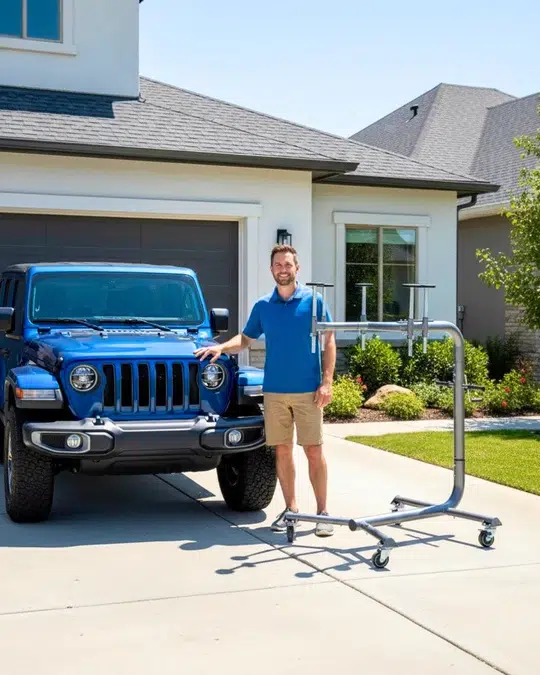
Removing your Bronco’s hard top can feel like a simple task at first. That task can become difficult when the top feels heavier than expected. Extra weight creates more pressure on your hands and arms. Under that pressure, a small mistake can lead to scratches, dents, or damage around your vehicle.
Damage often happens during lifting, moving, or storage. Storage problems can become even more frustrating when space inside your garage is limited. When suitable storage is not available, the risk of accidental damage increases.
Planning ahead makes the job much easier. Proper equipment, enough workspace, and a safe storage solution can help protect both your Bronco and the hard top. This article covers six practical ways to keep your Bronco safe during hard top removal.
1. Safe Lift Equipment First
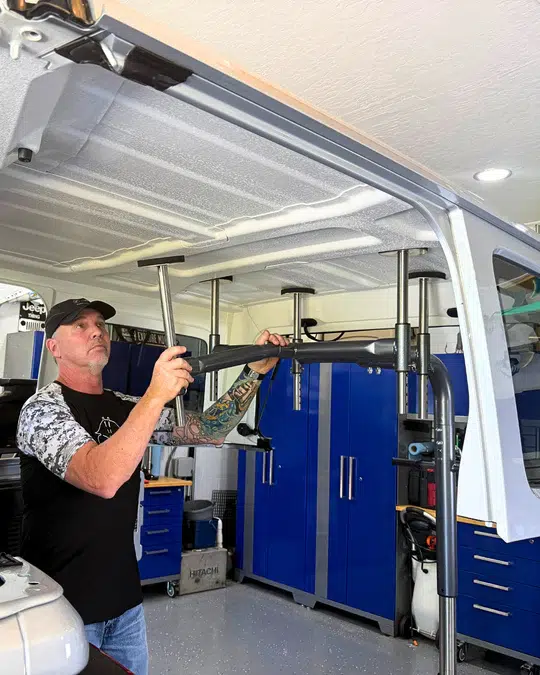
Every successful Bronco hard top removal starts with the right equipment. Lift equipment reduces strain and gives you better control during removal. Attempting to handle the top without adequate support places unnecessary strain on your arms and shoulders. More importantly, it can make the hard top harder to control.
Painted surfaces can become scratched when the hard top shifts unexpectedly. Uneven weight distribution can cause one side to dip or tilt without warning. Even a small movement may bring the hard top into contact with nearby surfaces.
Reliable lift equipment keeps the hard top balanced throughout the process. A quality lift system helps keep everything balanced while the top is being raised. Instead of focusing on supporting the entire weight, you can concentrate on guiding the hard top safely into position.
Controlled lifting lets you raise the hard top gradually. Gradual lifting gives you time to monitor alignment, identify potential issues, and make adjustments before damage occurs. That extra control can make the entire removal process feel more secure.
2. Clear Garage Space Early
Before removal begins, take time to prepare your workspace. Tools, storage bins, ladders, and other items should be moved away from the work area whenever possible.
A clear path gives you enough room to position lift equipment correctly. Tight spaces leave very little margin for error, especially when a large hard top is suspended above the Bronco. If obstacles remain too close, even a small shift could leave scratches or dents.
Garage items can create additional challenges during removal. Bicycles, storage bins, ladders, or shelves can limit your working area and force awkward movements while the hard top is being lifted.
An extra room also makes storage easier after removal. Setting aside a dedicated location helps avoid last-minute decisions about where to place the hard top once it is off the vehicle.
3. Stable Position During Lift
Once lifting begins, focus on keeping the hard top steady. Excessive side-to-side movement can make the removal process harder to manage and increase the chance of accidental contact with the Bronco.
Contact with painted surfaces can leave marks that take time and money to repair. Avoiding those marks is much easier than fixing them later. Careful lifting helps protect both the hard top and the vehicle beneath it.
Steady lifting also keeps the hard top properly aligned. When the hard top remains level, weight is distributed more evenly across supported areas. A balanced position helps prevent unnecessary stress on specific sections of the top.
Balance depends on more than the lift itself. Parking on a level surface improves stability and makes the lifting process more predictable. Uneven ground can affect control while the hard top is suspended. Before lifting higher, make sure everything remains secure and aligned.
4. Secure Storage After Removal
Getting the hard top off safely is only part of the job. Many scratches and dents happen after removal when the hard top is being stored.
An unsupported hard top can shift, lean, or fall while it sits in storage. Strong support remains important whether the top stays off for a weekend or an entire season.
Long-term storage requires additional attention. Pressure placed on corners or edges for extended periods may affect the condition of the hard top over time. Supporting the weight correctly helps avoid unnecessary stress on vulnerable areas.
Choosing a dedicated storage location provides another layer of protection. Tools, equipment, and other stored items are less likely to bump into the hard top when it remains in a fixed position. Weeks or even months may pass before reinstallation, so keeping the hard top secure throughout that time is important.
5. Careful Movement Around Vehicle
Moving the hard top is often the stage where mistakes happen. A crowded garage leaves little room to maneuver, and the size of the hard top only adds to the challenge.
Mirrors, windows, body panels, and trim pieces can be surprisingly easy to clip while turning through a narrow space. Keeping plenty of clearance around the hard top makes accidental contact less likely.
Tight pathways can create problems even when you move carefully. Shelving units, stored equipment, and nearby walls may limit your options and force sharper turns than expected.
Moving slowly gives you time to make adjustments when needed. If the hard top shifts unexpectedly, you will have a better chance of correcting its position before contact occurs. Pay attention to overhead obstacles as well, including garage door tracks, ceiling-mounted storage, and light fixtures. Taking your time is often enough to avoid accidental bumps and scrapes.
6. Routine Checks Before Removal
Many hard top problems begin before any lifting happens at all. A loose bracket or improperly positioned piece of equipment may not seem important at first, but small issues can create bigger problems once the hard top is in the air.
Before getting started, inspect your lifting equipment and work area carefully. Loose hardware, worn components, and equipment that is out of position should be addressed before removal begins.
Small issues are usually much easier to fix while the hard top remains secured to the vehicle. Waiting until the lift is underway can turn a simple correction into a bigger interruption.
Check your storage area as well. Make sure enough room is available for the hard top after removal. Confirm that the path between the Bronco and the storage location remains clear.
A few minutes of preparation can save far more time later. Those quick checks often reveal problems that might otherwise go unnoticed until the removal process is already underway.
Bottomline
Most hard top damage happens because of rushed decisions, limited space, or poor storage. Taking time to prepare, lift carefully, and store the top securely can prevent many of those problems.
Each step plays a role in protecting your Bronco, from clearing your workspace before removal to checking storage conditions afterward. A little extra attention during the process can go a long way toward keeping both your Bronco and hard top in good condition for years to come.


