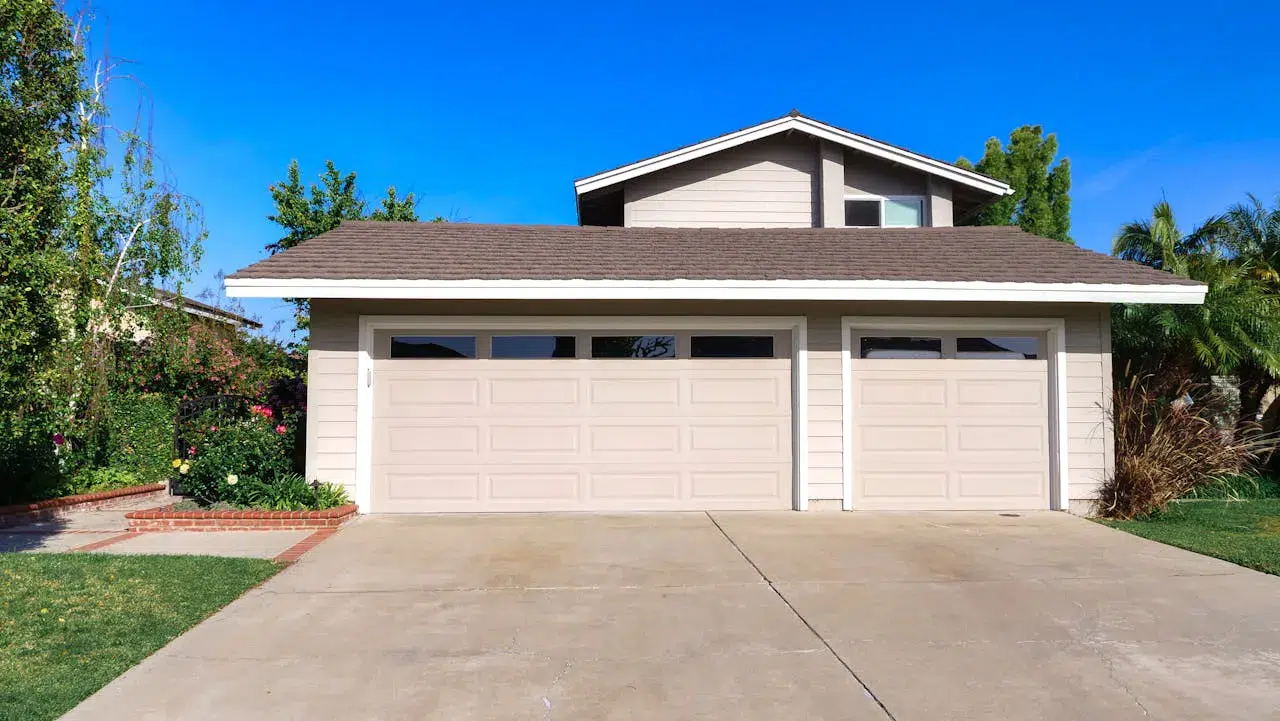
When most people think about home security, they picture alarm systems, cameras, and strong front door locks. While those things are important, they are not the only parts of a home that affect safety. Many homeowners overlook smaller areas that can quietly create security risks over time. A weak garage door, poor outdoor lighting, or even overgrown bushes can make a home more vulnerable than expected.
The good news is that improving home security does not always require major renovations or expensive systems. In many cases, small upgrades and regular maintenance can help homeowners feel much safer. Paying attention to commonly ignored areas around your property can help prevent break-ins, reduce safety hazards, and protect your family.
Your Garage Door Can Be a Major Security Weak Spot
Garage doors are one of the largest entry points in a home, yet many homeowners rarely think about them until something stops working. An old or damaged garage door can create serious security concerns, especially if the lock, opener, or door panels are worn out.
Broken springs, damaged tracks, and faulty openers can make garage doors easier to force open. In some cases, homeowners leave garage doors partially open without realizing it, which increases the risk even more. Older garage doors may also lack modern safety and security features that newer systems provide.
If your garage door is noisy, slow, or visibly damaged, it is best to address the issue early. Look up garage door repair and replacement near me to find local professionals who can inspect the system and recommend the right solution for your home.
Modern garage doors also improve curb appeal while adding another layer of protection to the home. Features like smart openers, rolling code technology, and automatic locks help improve both convenience and security.
Poor Outdoor Lighting Around the Home
Dark areas around a house can create easy hiding spots for unwanted visitors. Many homeowners focus on lighting near the front door but forget about side yards, back patios, garages, and driveways.
A poorly lit property makes it harder for neighbors or passing cars to notice suspicious activity. It can also increase the chances of accidents for family members and guests walking outside at night.
Motion sensor lights are one of the easiest ways to improve outdoor security. They automatically turn on when movement is detected and can discourage unwanted activity around the home. Bright lighting near entry points, walkways, and garages can make a property feel safer and more secure.
Replacing burnt-out bulbs and checking outdoor fixtures regularly is another simple but important habit for homeowners.
Weak Entry Doors and Old Locks
Front doors are not the only entry points burglars target. Side doors, back doors, and even garage entry doors can become security risks if they are old or poorly maintained.
Weak door frames, loose hinges, and outdated locks make it easier for someone to break in. Many homeowners also forget to replace locks after moving into a new home, which can create additional concerns.
Installing strong deadbolts and reinforced strike plates can make doors much harder to force open. Smart locks are another popular option because they allow homeowners to monitor and control access from their phones.
Even a small crack in a door frame or loose hardware should not be ignored. Minor repairs today can prevent major problems later.
Windows That Are Easy to Access
Windows are another commonly overlooked area when it comes to home security. Ground-floor windows, basement windows, and windows hidden behind landscaping can become easy targets if they are not properly secured.
Broken locks, damaged frames, or windows left slightly open can increase security risks without homeowners realizing it. Some older windows may not close tightly, making them easier to force open from the outside.
Simple improvements like installing window locks, adding security film, or using reinforced glass can help improve protection. Homeowners should also check window screens regularly since damaged screens can make access easier.
Overgrown Landscaping Around the Property
Landscaping can improve curb appeal, but overgrown bushes and trees can also create hidden areas around the home. Large shrubs near windows or entry doors may provide cover for someone trying to avoid being seen.
Trees with branches hanging too close to upper windows can also become a security concern. Keeping landscaping trimmed and well-maintained improves visibility around the property and helps homeowners spot unusual activity more easily.
Clear walkways and open sightlines also make the home look more cared for, which can discourage unwanted visitors. Small landscaping changes can make a surprisingly big difference in overall home safety.
Forgotten Side Gates and Fences
Many homeowners install fences for privacy or to keep pets safe, but they often forget to check the condition of gates and locks over time. A broken latch or damaged fence panel can make it easier for someone to enter the property unnoticed.
Wood fences may weaken after years of weather exposure, while metal gates can develop rust or loose hinges. Regular inspections can help homeowners spot weak areas before they become larger problems.
Adding locks to side gates and repairing damaged fencing helps create another layer of security around the home. Even simple improvements can help homeowners feel more confident about the safety of their outdoor spaces.
Lack of Routine Home Maintenance
One of the biggest home security mistakes homeowners make is delaying basic maintenance. Small problems often grow into larger safety concerns when ignored for too long.
Broken locks, damaged garage doors, loose outdoor lighting, and cracked windows may not seem urgent at first, but they can weaken the overall security of a home over time. Seasonal home inspections can help homeowners catch problems before they become expensive or dangerous.
Taking care of small repairs consistently helps create a safer and more comfortable home environment. Home security is not just about reacting to emergencies. It is about preventing problems before they happen.
A secure home starts with paying attention to the details that are easy to overlook. Simple upgrades, regular maintenance, and better awareness can go a long way in protecting both your property and the people inside it.