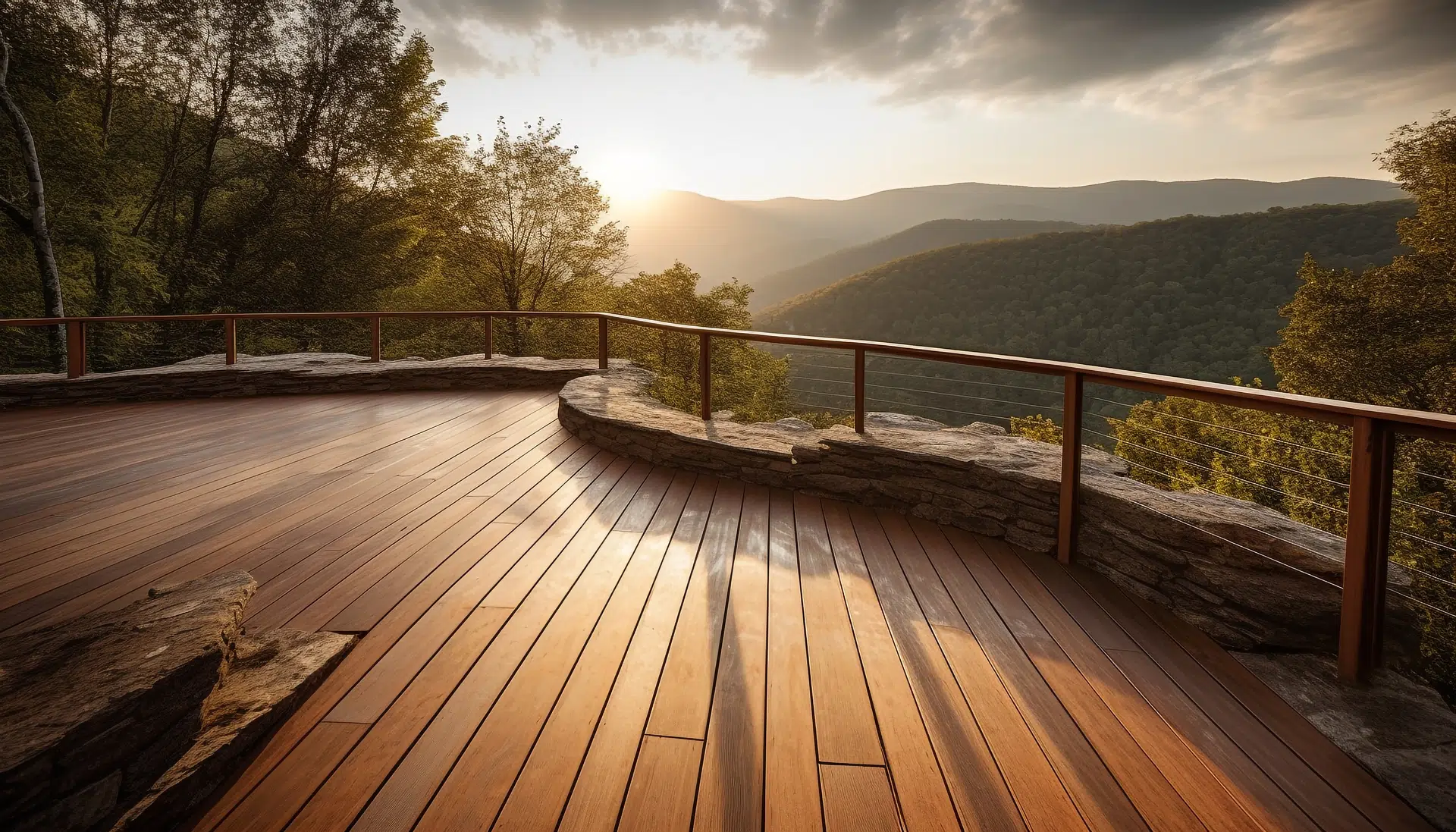
Any deck that is well constructed will provide comfort, value, and outdoor living areas to any home. But if not maintained, even the best decking can suffer over time and require costly repairs or replacement of the structure. Fortunately, many expensive problems can be prevented if appropriate maintenance and damage identification procedures are followed.
Why Regular Deck Maintenance Matters
Decks are continually subject to the elements – rain, snow, heat, and humidity. The combination of these causes wood fibers to slowly deteriorate, fasteners to become loose, and the ideal environment for rot, mold, and warping. The problems only become apparent when they are visible, at which point the damage may have occurred to an extensive degree.
Routine maintenance will help you discover small problems before they become big problems. In fact, a number of simple tasks, such as cleaning up debris, inspecting loose boards, and sealing up surfaces, can help prolong the life of your deck and save you money over time.
In colder climates with distinct seasons, like Canada, these kinds of services are summoned when homeowners postpone upkeep for an excessive amount of time, for instance, deck repair Edmonton. The inspections and repairs will help to avoid a full restoration of the structure, which will save time and money in the long run.
Inspect Your Deck for Early Signs of Damage
The best way to avoid costly repairs is to check your deck at least twice a year. Pay attention to more exposed places like joints, stairs, and support posts. Watch for signs such as soft wood, discoloured wood, rusted nails, or loose railings.
The base and ledger board are two of the most important things to keep an eye on when it comes to keeping a deck safe. The failure of these elements can make the entire structure unsafe. These issues can be caught in the early stages and therefore can be fixed with minor works rather than major reconstruction.
Maintain a Clean and Dry Deck
One of the worst enemies of a deck is dirt, leaves, and standing water. As debris builds up, it will trap moisture between the wood and the debris, which will cause rot and decay to occur at a faster rate. This buildup can be prevented with regular sweeping and washing.
Deep-set grime and mildew can be removed once or twice a year by using a gentle pressure wash. Cleaning and letting the deck completely dry before applying sealant affords better protection. Good drainage around the deck also avoids pooling water near the foot of the deck.
Use Sealant and Protective Coatings
Wood decks require a barrier to protect them from weather exposure. Sealants and stains provide a barrier against temperature, UV rays, and moisture. In its absence, wood may dry out, crack, or discolor.
Regularly recoating every one to three years (as per climate and use) is vital. Purchase quality products that can withstand outdoor conditions. This small maintenance cost could save thousands of dollars in repair costs.
Tighten Hardware and Replace Worn Components
Nails, screws, and bolts tend to loosen with time because of the expansion and contraction of temperatures. Loose fasteners could result in unsafe boards and unsafe conditions. Regularly tightening hardware ensures structural stability.
Replace any rusted nails, cracked boards, or loose railings as soon as they are noticed. These minor problems can grow into serious problems if left unchecked and may need more extensive remedial work later.
Protect Your Deck From Seasonal Damage
Seasonal hazards vary from one season to the next. Snow and ice can cause moisture damage and wood expansion in the winter. The surface can be dry and bleached during the summer when the sun is strong. Covers, mats, or shade structures can minimise exposure to the sun.
In colder weather, don’t use abrasive chemicals or sharp objects to break up ice, which may harm the surface. Rather, consider safe options that will maintain the integrity of the wood.
Schedule Professional Inspections When Needed
Homeowners may be able to conduct some basic maintenance, but professional inspections offer more insight into the integrity of the structure. Experts can identify hidden problems like internal rotting, shifting foundations, or hidden water damage.
Regularly scheduled inspections can help keep your deck safe and strong. Experts will also be able to offer you suggestions for preventative treatment that is suited to your deck and material.
Conclusion
The best way to avoid expensive repairs on the deck is to make sure you maintain it and pay attention to it. These maintenance activities all help to preserve the life of your deck, ensure its safety, and keep it looking great.
With a moment of your time now, you can save a lot of money next year and have a robust, beautiful outdoor area for years.