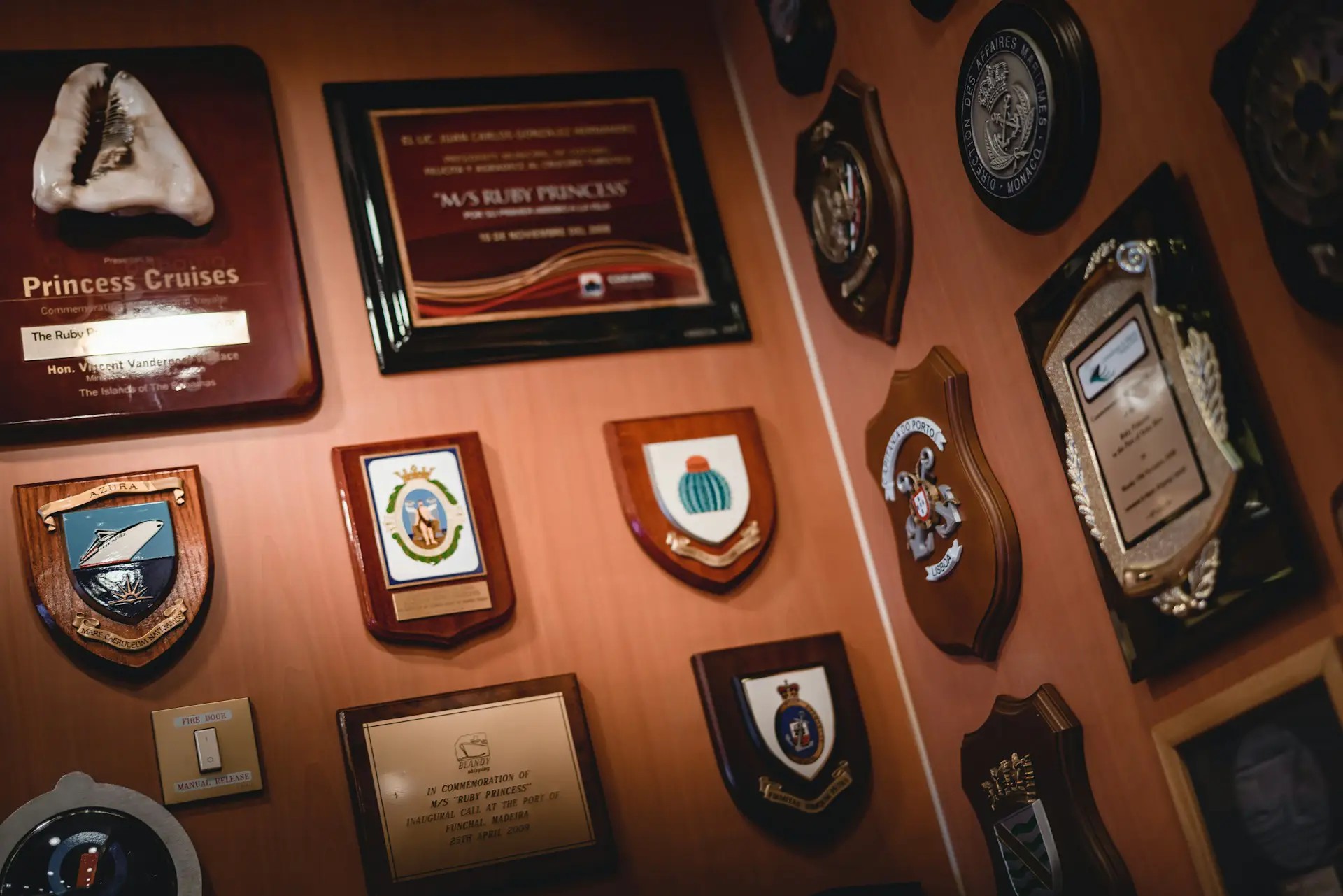
Custom awards are an excellent way to recognize professional achievements, celebrate important milestones, and express appreciation for employees, clients, and business partners. Whether presented during a corporate ceremony or given to an individual for exceptional performance, a well-designed award serves as a lasting reminder of success. However, selecting the right material is just as important as choosing the design. The material affects an award’s appearance, durability, weight, customization options, and overall value.
Businesses looking for high-quality plaques and awards should consider how different materials perform, how easily they can be personalized, and how well they suit the occasion. From elegant crystal to traditional wood and modern acrylic, each material offers unique advantages. Understanding these differences makes it easier to select awards that look professional and remain attractive for years.
1. Consider Crystal for an Elegant and Premium Appearance
Crystal is a popular choice for corporate recognition because of its sophisticated appearance and light-reflecting qualities. Its clear finish creates an elegant presentation that works particularly well for executive recognition, leadership achievements, and prestigious business events.
One major advantage of crystal is its suitability for detailed personalization. Depending on the product and manufacturing process, names, company logos, award titles, and appreciation messages can be engraved or incorporated into the design.
Crystal awards are available in various shapes, including towers, stars, rectangles, and geometric forms. This variety allows businesses to select designs that reflect their branding or the significance of an achievement.
However, crystal can break if dropped or handled carelessly. When selecting crystal awards, examine the material’s clarity, edge finishing, thickness, and overall construction. Protective packaging is also important, particularly when awards must travel long distances.
2. Choose Glass for Timeless Corporate Recognition
Glass offers a classic, professional appearance suitable for many recognition programs. It can be shaped into elegant trophies, display pieces, and personalized plaques, making it a versatile option for companies that want traditional styling.
Glass awards are commonly used for employee appreciation, service anniversaries, departmental achievements, and business partnerships. They can feature engraved inscriptions, printed graphics, and customized logos, depending on the design.
When evaluating glass, pay attention to its thickness, surface quality, polished edges, and structural stability. Well-finished glass creates a refined impression, while poorly finished edges or uneven surfaces can reduce its visual appeal.
Although glass can provide excellent value, it remains vulnerable to chips and breakage. Companies should consider how recipients will transport, store, and display their awards before choosing a particular design.
3. Explore Acrylic for Lightweight and Modern Designs
Acrylic is a practical material for businesses seeking contemporary awards with flexible customization options. It is generally lightweight and can be manufactured in different shapes, colors, and sizes.
One of its biggest advantages is design versatility. Acrylic awards can feature colorful graphics, printed company logos, custom-cut shapes, and modern geometric designs. These characteristics make them suitable for creative industries, technology companies, startups, and large employee recognition programs.
Acrylic can also be a cost-effective choice when an organization needs multiple awards without exceeding its budget. Its lighter weight can simplify shipping and distribution, particularly when recipients work across several locations.
However, acrylic can scratch, and some products may lose their polished appearance if exposed to unsuitable cleaning products. To maintain their appearance, follow the manufacturer’s cleaning instructions and avoid abrasive materials.
Before ordering, examine the surface finish, transparency, thickness, and quality of the customization. A well-made acrylic award can look professional while offering considerable design flexibility.
4. Consider Wood for a Traditional and Personal Touch
Wood is an excellent option for organizations that prefer a warm, traditional appearance. It is frequently used for commemorative plaques, retirement gifts, service awards, and recognition pieces that celebrate long-term contributions.
Different wood species and finishes create different visual effects. Dark wood can provide a formal appearance, while lighter finishes may suit contemporary workplaces. Engraved metal plates or directly engraved lettering can add personalization.
Wooden awards can be durable when properly manufactured and maintained. However, their longevity depends on the wood type, finish, construction, and environmental conditions. Excessive moisture, direct sunlight, and unsuitable cleaning methods may damage the surface over time.
When choosing wood, check the finish, mounting hardware, edges, and quality of any attached plate. Selecting a design that complements the company’s identity can make the award more meaningful.
5. Evaluate Metal for Strength and Professional Style
Metal awards are often chosen for their solid construction, distinctive appearance, and professional presentation. Depending on the design, materials may include aluminum, stainless steel, brass, or other metal alloys.
Metal is suitable for achievement medals, corporate trophies, commemorative pieces, and plaques recognizing outstanding performance. Finishes such as polished silver, brushed metal, or gold-colored coatings can create different visual styles.
When comparing metal awards, consider the material itself rather than judging quality by appearance alone. Some products use coatings that may wear over time, while others feature more durable finishes. Ask suppliers about corrosion resistance, engraving methods, and recommended care.
Metal awards can be particularly appropriate for organizations seeking a strong, long-lasting design that reflects achievement and professionalism.
6. Match the Material to the Purpose
The best material depends on the type of recognition being presented. A prestigious leadership award may benefit from crystal, while a large-scale employee appreciation program may be better suited to acrylic or glass.
Consider these common applications:
- Executive recognition: Crystal or premium metal designs.
- Employee of the Year: Crystal, glass, or a customized trophy.
- Years of service: Wood, glass, metal, or personalized plaques.
- Creative achievement: Acrylic awards with distinctive shapes and colors.
- Retirement celebrations: Engraved wooden or glass plaques with a personal message.
- Large corporate events: Consistent designs that balance quality and budget.
Choosing materials according to the occasion helps ensure that every award feels appropriate and valuable.
7. Assess Durability and Maintenance Requirements
A premium award should remain attractive long after the presentation. Before purchasing, consider whether the material is vulnerable to scratches, breakage, corrosion, fading, or moisture damage.
Ask the supplier how the award should be cleaned and maintained. Glass and crystal generally benefit from gentle cleaning with a soft cloth, while acrylic requires particular care to avoid scratching. Wood may need protection from moisture, and metal may require specific maintenance depending on its finish.
Packaging also plays a major role in preserving quality. Individual protective boxes, padded inserts, and secure shipping arrangements help prevent damage during transportation.
If awards will be shipped to multiple recipients, prioritize materials and packaging that can withstand handling throughout the delivery process.
8. Balance Quality, Customization, and Budget
Selecting premium materials does not necessarily mean choosing the most expensive product. The best decision balances appearance, durability, personalization, and total cost.
Request samples or product photographs when possible, and compare the quality of engraving, surface finishing, and construction. Ask suppliers about production timelines, minimum order quantities, packaging, and replacement arrangements for damaged items.
For plaques and awards, personalization can add substantial value without requiring an elaborate design. A recipient’s name, achievement, presentation date, and a thoughtful message can make even a simple award memorable.
Always proofread inscriptions before production. Correct spelling and accurate details are essential to maintaining a professional standard.
Conclusion
Selecting durable and premium materials for custom awards requires careful consideration of appearance, construction, personalization, maintenance, and cost. Crystal offers elegance, glass provides a timeless style, acrylic delivers design flexibility, wood creates a traditional feel, and metal offers distinctive strength and finishes.
By matching each material to the occasion and checking product quality before ordering, businesses can create meaningful recognition pieces that last. Ultimately, the best plaques and awards combine reliable craftsmanship with thoughtful personalization, giving recipients a lasting reminder that their achievements and contributions are genuinely valued.