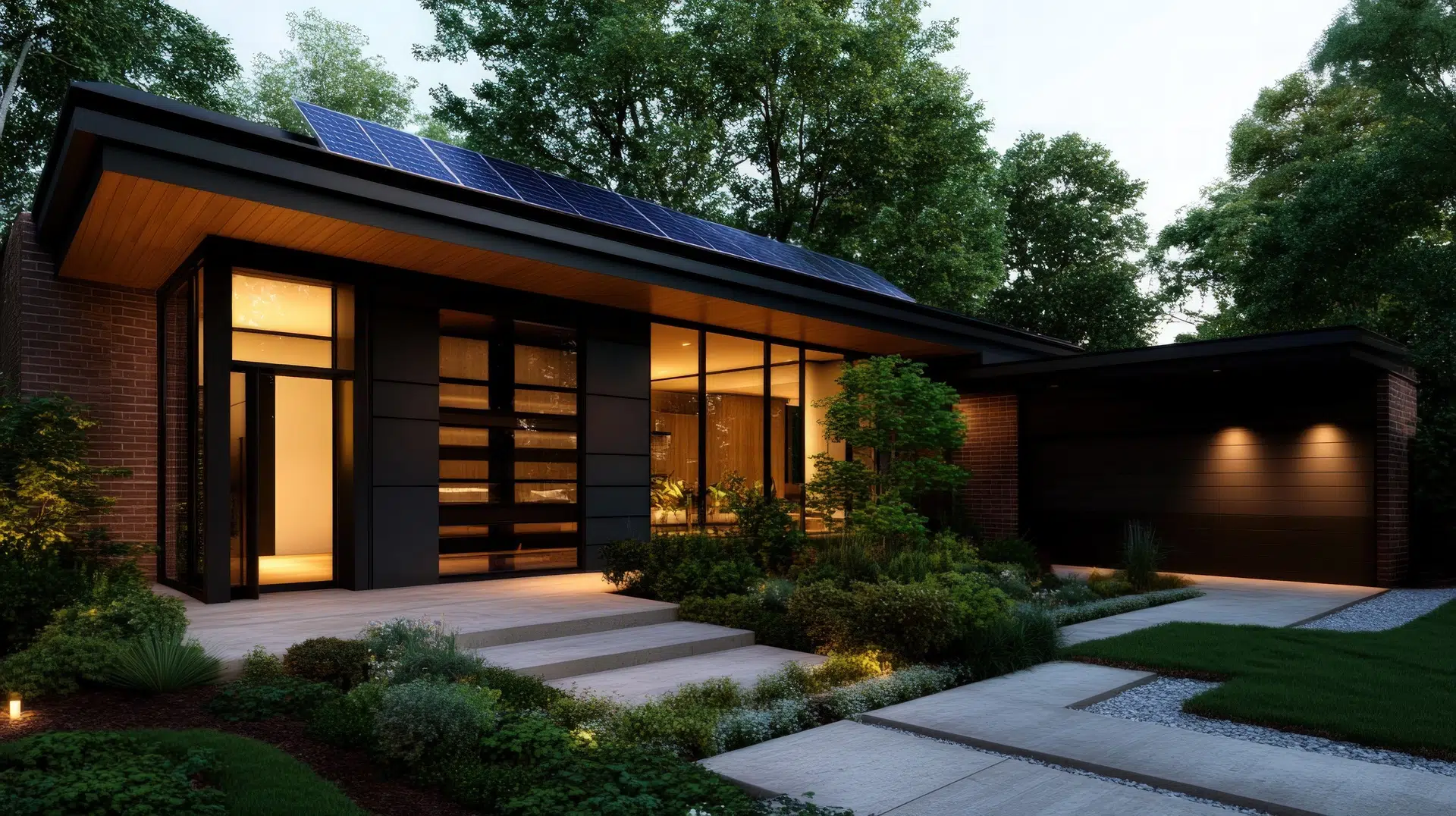
Modern buildings are moving toward clean energy without giving up style. Sleek lines and polished materials are now common in contemporary homes. Solar equipment no longer has to look like an extra feature added to the roof.
Architects can plan solar systems as part of the design. Clean energy equipment blends with the home instead of standing out. Early planning can turn solar technology into an attractive feature of a modern home.
Continue reading to discover everything you need to know!
Rethinking Solar Integration in Modern Homes
Homeowners want stylish designs that improve energy independence without affecting the look of their property. People researching options look for systems that fit clean rooflines and modern designs. If you are from the area, opt for solar installation in Noosa to start the installation process.
Planning the solar system early makes this easier. Designers can plan wiring paths before construction begins. This helps avoid exposed cables and conduits on exterior walls.
Roof layouts can be designed around the size and position of solar panels. It creates clean patterns across visible roof areas. Roof pitch and direction are also important for both performance and appearance.
Dark panel frames can match dark metal roofing for a smooth look. Low-profile mounting systems can keep panels close to the roof. This reduces visible hardware and helps maintain clean rooflines.
Building-Integrated Photovoltaics
Building-integrated photovoltaics, or BIPV, take solar design a step further. BIPV systems replace standard building materials with solar materials. Solar technology can become part of roofs, walls, windows, and other surfaces.
BIPV systems can provide clean power with no need for extra space for traditional panels. Glass facades can use semi-transparent solar cells. Some natural light will enter the rooms and produce electricity.
Solar wall systems are another option for modern buildings. Solar facades can give homes and commercial buildings a clean, modern appearance. They can also combine insulation, rain protection, and energy production in one system.
Architectural Trends to Improve Solar Aesthetics
Modern design plans now consider solar technology at an early stage. Architects can balance appearance, energy output, and building needs. It also keeps solar equipment from looking like an afterthought.
Several design choices can help solar systems blend into a property:
- Hide conduits inside wall cavities where possible
- Match panel frames with exterior trim
- Use all-black panels with dark roofing
- Choose low-profile mounting systems for tiled roofs
Making these choices early can lower installation costs. Builders can avoid major changes later in the project. Homeowners get a cleaner finish that can improve curb appeal.
Solar Windows and Shingles
New solar materials give architects more ways to add clean energy to modern homes. Solar facades, solar windows, and solar shingles can all harmonize into a building’s design.
Solar shingles are designed to match the look of common roofing materials. They sit close to the roof surface and can reduce the amount of visible hardware. From the street, the roof can look more uniform.
Solar glass windows are another option for modern homes with large glass areas. These windows can use sunlight to produce electricity and allow natural light into the home.
Solar technology can also be used in skylights and other glass features. Architects will have more freedom when designing energy-efficient spaces.
The Rise of Bifacial Panels in Residential Projects
Bifacial solar panels can collect sunlight from both the front and back of the panel. This makes them useful for structures, including pergolas, carports, and covered patios. These panels can provide shade and produce electricity.
Sunlight reaches the front of the panel, and reflected light can reach the rear cells. The surface below the panels can affect how much reflected light they receive.
Light-colored concrete, stone, and other pale surfaces can reflect more light toward the rear of the panels. The design creates a useful outdoor space and makes better use of available sunlight.
Global Targets Driving Solar Adoption
Government targets and clean energy rules are helping drive solar adoption in building design. The UK Clean Power 2030 Action Plan includes a target of 45 to 47 gigawatts of solar capacity by 2030. Building codes in many regions set higher energy efficiency standards for new homes.
Architects can meet these requirements by turning suitable roof and wall surfaces into sources of clean power. Solar design can help luxury home builders meet energy goals without giving up visual appeal. Energy-efficient features are also becoming more common in modern property listings.
Battery storage can work with rooftop solar systems. Compact batteries can be placed in garages, utility rooms, or other suitable areas. Stored energy can be used when solar production is lower.
Growth of Building-Integrated Solar Technology
Building-integrated solar technology continues to develop as solar becomes part of modern construction. Installed building-integrated photovoltaic capacity could reach 371 MWp by 2028.
Several factors are supporting this growth:
- Lower energy costs over the life of the system
- Potential benefits for energy-efficient properties
- Easier installation when solar materials are included
- Less material waste during building projects
As production improves, specialized solar materials may become more accessible. Modular products can also help contractors complete installations faster. It will reduce labor needs and shorten project timelines.
Certified Installation for Sustainable Homes
Good design is only one part of a successful solar project. Proper installation can make a difference for safety, performance, and long-term reliability. Certified installers follow local building and electrical requirements.
They even understand how to protect the structure when installing solar equipment. Working with builders early can make installation easier. Electrical conduits can be placed inside walls before drywall is installed.
Roof penetrations should also be sealed and flashed correctly to prevent water damage. Homeowners can use monitoring software to track system performance.
Mobile apps may show solar production, battery levels, and household energy use. The information collected can help residents understand when their system produces the most power.
Creating a Stylish and Energy-Efficient Future
Solar technology and modern architecture can work together without sacrificing style. Early planning, smart material choices, and careful installation can all help solar features blend into contemporary buildings.
Homeowners can create attractive spaces, improve energy efficiency, and reduce long-term power costs. As solar technology continues to develop, architects have more options for creating homes that are both stylish and sustainable.
Ready to learn more? Visit our website to stay updated with our latest blog posts.