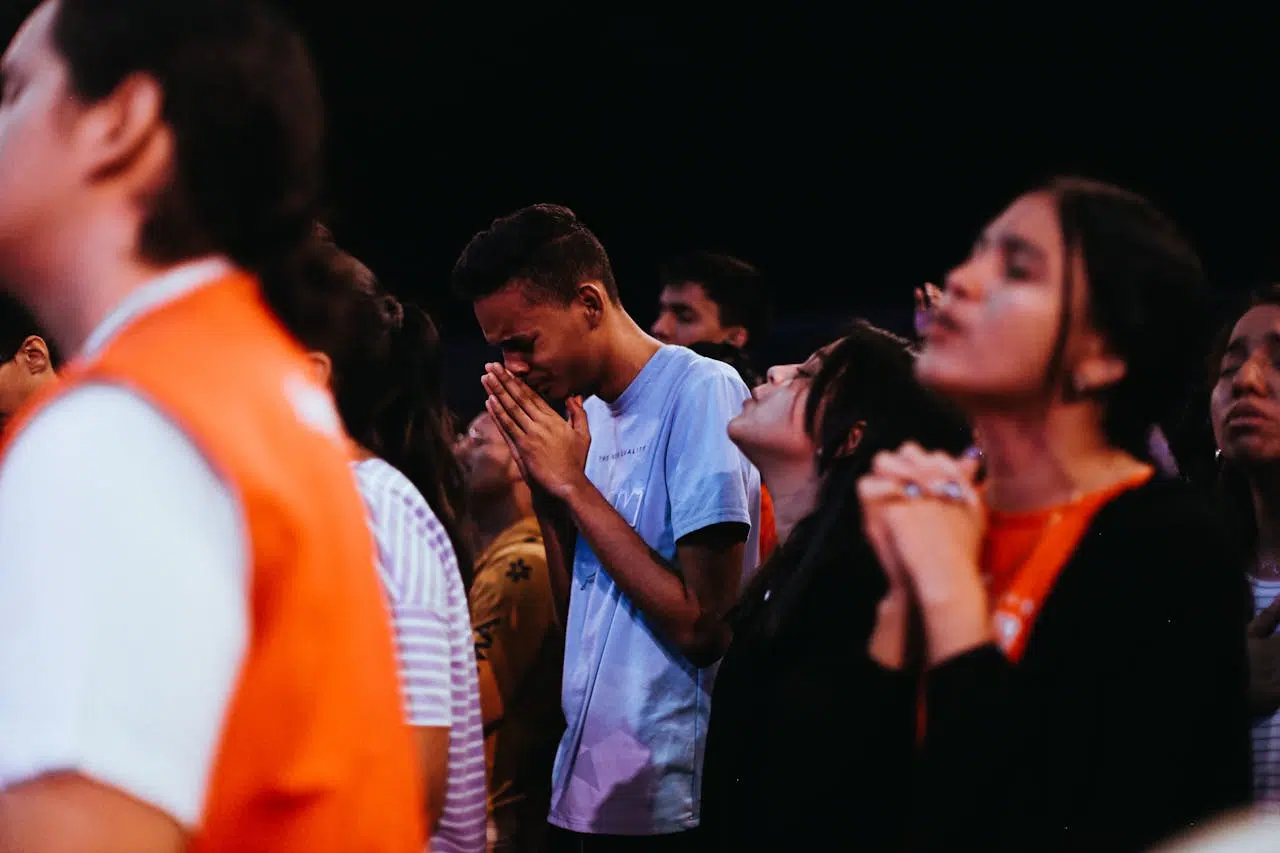
For someone within a Christian tradition, and especially within Catholicism, faith often lives both in ritual and in the small, almost invisible habits of attention that surround it. It can be prayer before the day properly starts, but it can also be the way patience is extended in a frustrating moment, or how gratitude is remembered when things are going smoothly. The challenge is rarely about belief itself; it is about continuity, about keeping what is meaningful from becoming abstract.
Faith As A Rhythm
One of the most effective ways people integrate faith into life is by thinking in terms of rhythm rather than isolated acts. A weekly service, a seasonal celebration, or occasional prayer can be deeply meaningful, but they tend to work best when they sit inside a wider pattern.
That pattern does not need to be strict. In fact, rigidity can sometimes make faith feel like another task to complete. Instead, it can be helpful to think in terms of touchpoints: brief moments that return attention to something steady. This might be a short prayer on waking, a pause before meals, or a moment of reflection before sleep. Over time, these moments create a sense that faith is not something visited occasionally, but something quietly present underneath the day.
In Catholic practice, this rhythm is often supported through devotional life. The Rosary, for example, is less about repetition for its own sake and more about anchoring attention through repetition, allowing the mind to settle while contemplation deepens. Even for those who do not pray formally in that way, the principle still holds: repetition can be a way of making space for meaning.
The Role Of Physical Symbols
Human beings tend to think not only in ideas but in objects. Physical reminders have a way of making the abstract feel present. Within Catholicism, one of the most enduring examples of this is the use of medals.
A Catholic medals is typically small, often worn around the neck or kept close in a pocket or bag. It might bear the image of a saint, such as St Benedict, St Christopher, or Our Lady. These objects are not treated as talismans in a magical sense; rather, they function as reminders of faith, protection, and belonging to a wider spiritual tradition.
For many people, a Catholic medal becomes something like a quiet anchor. In moments of stress, it can be touched almost unconsciously, bringing attention back to prayer or to a sense of being held within something larger than the immediate difficulty. A St Benedict medal, for instance, is often associated with spiritual protection and resilience against temptation or harm. A Miraculous Medal, depicting the Virgin Mary, is commonly linked with prayer and intercession.
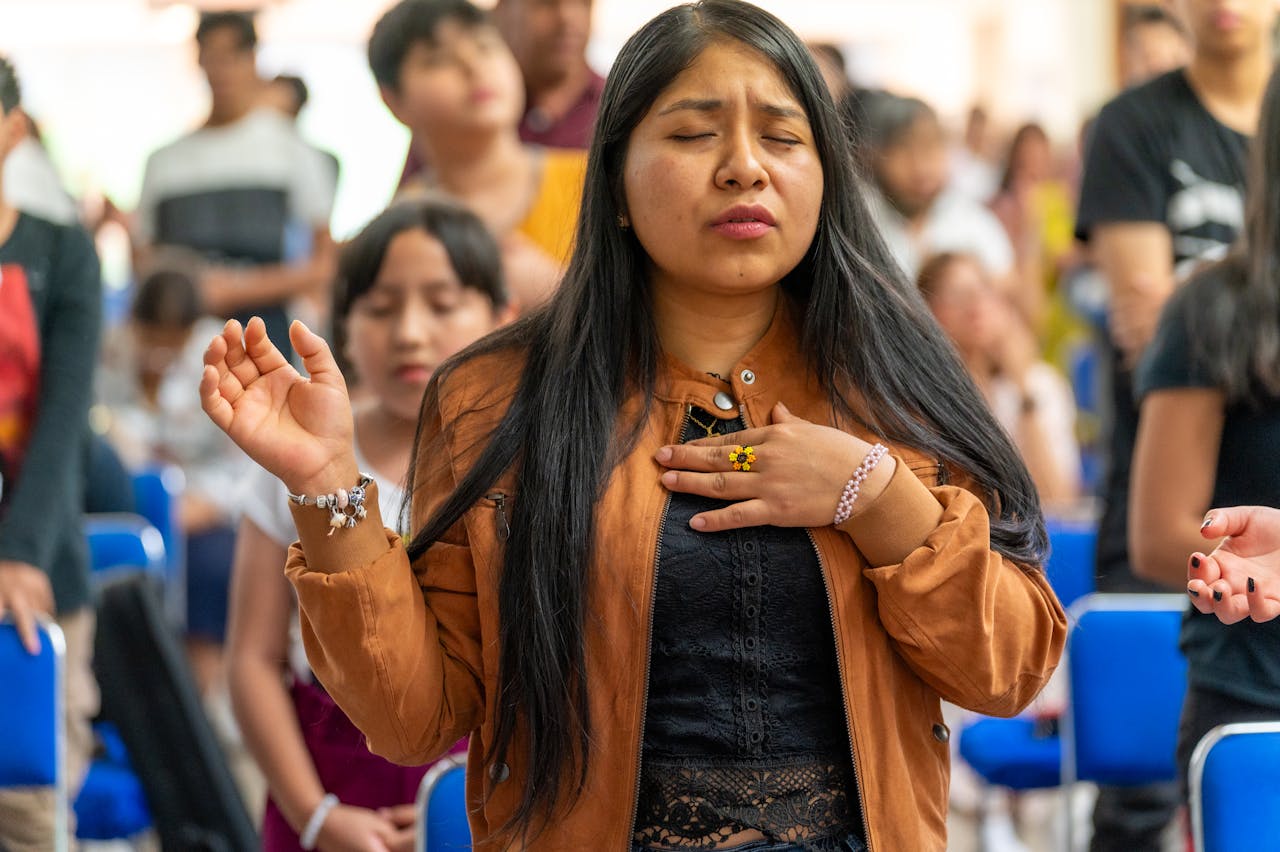
Bringing Faith Into Decisions And Relationships
Beyond ritual and symbol, faith often becomes most visible in decision-making and relationships. This is where it tends to become less about formal practice and more about orientation.
In practical terms, this might mean pausing before reacting, especially in emotionally charged situations. It might mean asking what kindness looks like in a difficult conversation, or what honesty requires when it would be easier to avoid discomfort. These are not uniquely religious questions, but faith gives them a framework and a kind of seriousness that helps prevent them from being overlooked.
Within Catholic thought, conscience plays a central role. It is understood not as an instinct alone, but as something formed over time through reflection, teaching, and experience. Incorporating faith into life, then, is partly about allowing that formation to continue actively rather than passively. It is a process of becoming more deliberate about how choices are made, even in small matters.
Relationships are often where this becomes most tangible. Faith can encourage patience, forgiveness, and the willingness to see others as more than their worst moments. None of this removes difficulty or conflict, but it can change the way those moments are held. Instead of being purely transactional or reactive, relationships can become spaces where growth is possible, even when it is uncomfortable.
Silence, Attention, And Interior Space
Modern life tends to fill itself quickly. Noise, information, and distraction can make it difficult to notice anything subtle. Faith often depends on exactly that subtlety.
Creating moments of silence is therefore not simply about relaxation, but about making room for awareness. This does not need to be a formal meditation, although it can be. It might simply be a few minutes without input, where attention is allowed to settle. In those moments, prayer can arise naturally rather than being forced.
For many people, this interior space is where faith feels most real. It is less about external expression and more about recognition – an awareness of presence, meaning, or direction that is not easily verbalised. The more consistently this space is allowed to exist, the less fragile it tends to feel.
Incorporating faith into life is not about adding something artificial to an already full schedule. It is more like allowing an existing thread to be followed more deliberately. Through rhythm, symbol, attention, and relationship, faith can move from being an idea held at a distance to something that quietly informs how life is actually lived.