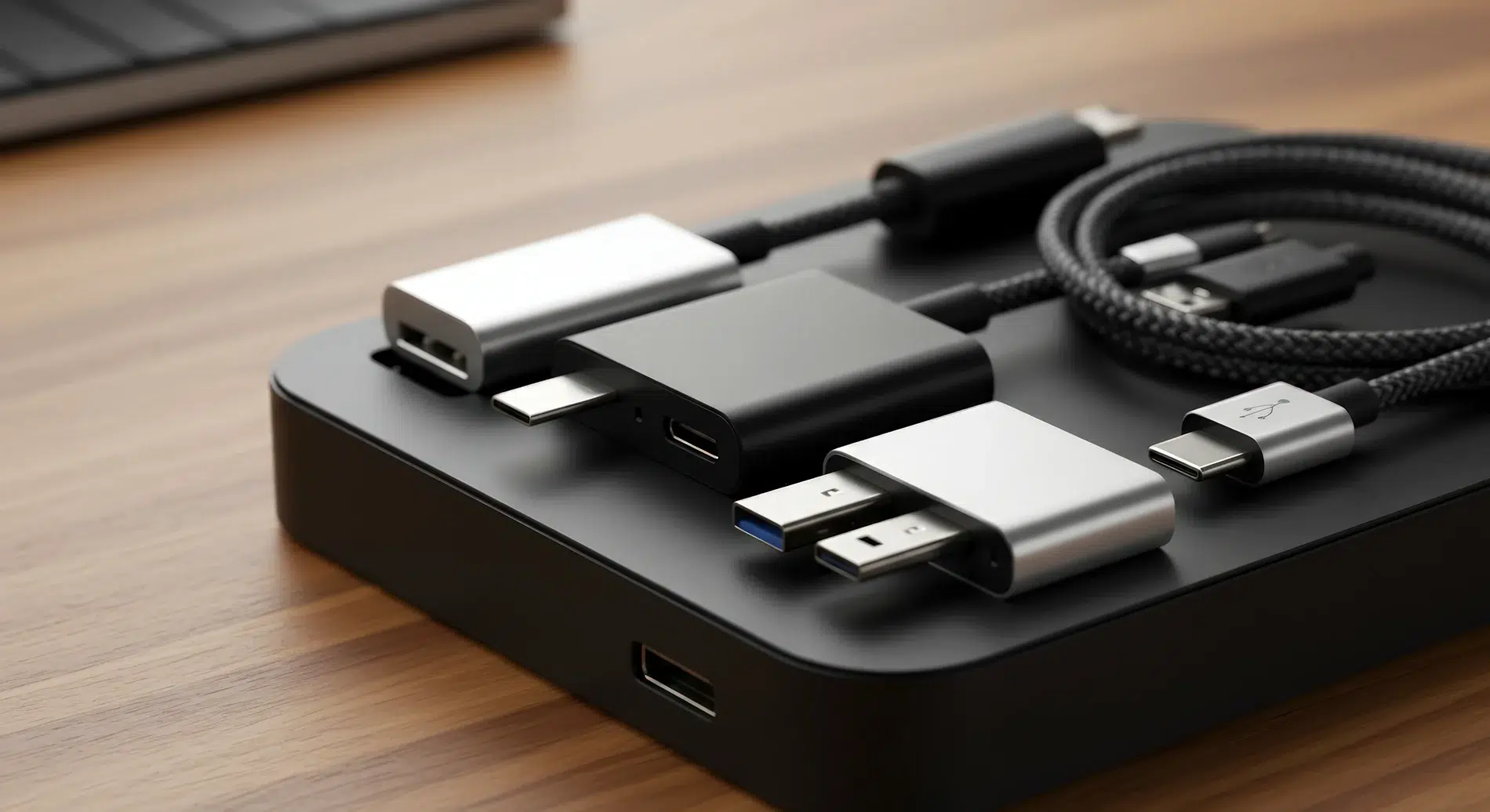
In the modern day and age of electronics, connecting devices to larger screens has become crucial for work, entertainment, and presentations. As USB-C technology takes over, cabling is becoming less commonplace. This has given rise to the popularity of the usb c to HDMI adapter and the USB Type-C HDMI converter. While both devices are able to link to an HDMI display, they are not the same. Knowing the difference between them can help you make a better buying decision. This article will delve into their features, benefits, and some of the key differences in detail.
Understanding USB-C Technology
USB-C is a newer connection standard that can transfer data, charge the device, and display video signals via a single port. Nowadays, many laptops, tablets, and smartphones use USB-C for various purposes. This technology is used by USB-C to HDMI adapters and USB Type-C to HDMI converters to send audio and video signals. Not all USB-C ports, however, will allow video output, so make sure to check before you buy.
What is a USB-C to HDMI Adapter?
A usb c to HDMI adapter is a relatively simple device that allows you to connect a USB-C port to an HDMI display. It is typically small in size and comes with very few features, so it is easy to operate and carry. This adapter is based on a direct signal transfer from the device to the display. It’s frequently applied for connecting a laptop to a TV, projector, or monitor for regular activities such as streaming and presentations.
What is a USB Type-C HDMI Converter?
More advanced devices are called USB Type-C HDMI converter that does the same basic thing, but may also have other processing functions. It can improve the quality of the signal and provide more advanced display configurations. Professional settings can benefit from converters due to the high performance and stability they provide. They can also contain additional ports or chips to ensure better connectivity with a variety of equipment.
Key Differences Explained
The main difference between a usb c to HDMI adapter and a USB Type-C HDMI converter is that the former is more sophisticated. Simple and basic connecting adapters. But the converters provide added benefits like signal processing and better resolution support. This makes them more appropriate for more sophisticated uses such as video editing or multi-screen setups.
Compatibility Considerations
It is crucial to make sure that your device is compatible with both the USB-C to HDMI adapter and the USB Type-C HDMI converter before making a decision. You will need to have a USB-C port that can handle DisplayPort Alt Mode for video output. Both devices are compatible with many of the latest gadgets, but converters can be used for older displays or other specialized equipment for better compatibility. This makes them safer for various applications.
Performance and Resolution
When choosing a USB-C to HDMI adapter or a USB Type-C HDMI converter, performance is another crucial factor to consider. Both can handle high-def output as well as full-HD and 4k. But converters tend to be more consistent, particularly in high-demand situations. They eliminate signal degradation and boost video quality, making them suitable for professional purposes.
The ease with which the product can be used and designed
Simple and portable are the defining features of a usb c to HDMI adapter. It’s easy to carry, has no pieces to assemble, and it’s light, so it’s ideal for travelers and students. A USB Type-C HDMI converter, though slightly bigger, also provides a user-friendly operation. The extra features may need a little more understanding, but convenient for everyday use.
Price and Value for Money
If you are deciding between a USB Type-C HDMI adapter and a USB Type-C HDMI converter, it is important to take into account the price. The adapters tend to be less expensive and more readily available. Advanced features and improved performance make converters more expensive. But they are more useful for users who require consistent and high-quality output.
Best Use Cases
A usb c to HDMI adapter works best for daily use, like watching a movie, giving a presentation, and using it with a second screen. It’s ideal for leisure users. A USB Type-C to HDMI adaptor is more appropriate for use in the professional setting. It is ideal for gaming, video editing, and when output stability and quality are needed.
Selecting the correct option
Carefully evaluate your requirements and budget before making a choice between the two: USB-C to HDMI adapter and USB Type C HDMI converter. For a simple and quick solution, an adapter will make a great choice. A converter will be more suitable if you need the more advanced features, are looking for better compatibility, or better performance. Knowing your usage will enable you to choose the appropriate device.
FAQs
What is the difference between an adapter and a converter?
Yes, the USB to HDMI adapter is easier to use, but the USB Type-C HDMI converter may provide more functionality and performance.
Do both devices have 4K resolution?
Yes, both types of adapters (usb c to HDMI adapter and USB Type-C to HDMI converter) support 4K resolution.
Do these devices work with all laptops?
No, you will need to have a laptop that can output video via USB-C, and the adapter and converter will also need the same.
Which one would be more suitable for professional use?
A USB Type-C HDMI converter is more suitable for professional applications, offering reliable performance and additional functionality.
Are they driver-dependent?
No, these devices: usb c to HDMI adapter and the USB Type-C HDMI converter are plug-and-play devices; these devices do not need to be installed with drivers.
Conclusion
You have to select between these two options: usb c to HDMI adapter and USB Type-C HDMI converter, depending on your requirements and budget. Adapters offer low cost and are easy to use for everyday use. For more advanced tasks, converters are more likely to perform well and be compatible. Both options provide reliable connectivity, making it easy to enjoy high-quality video on larger screens without complicated setups.