Cooling equipment has moved far beyond the basic household refrigerator. Today, specialized appliances preserve fine wine, keep drinks at the ideal serving temperature, protect sensitive vaccines, and support busy kitchens of every size. Each of these uses demands different engineering, materials, and quality controls. Whether you are a homeowner planning a kitchen upgrade, a restaurant owner outfitting a bar, or a healthcare buyer sourcing storage for temperature-sensitive supplies, understanding how these products are designed and built helps you make a smarter purchase. This article explains the main categories, the technology behind them, and what to look for in a manufacturing partner.
Why Manufacturer Expertise Matters in Cooling Equipment
A dependable wine cooler manufacturer does far more than assemble cabinets and compressors. The best producers invest in research, thermal testing, and strict quality inspection so that every unit holds a stable temperature for years. Compressor selection, insulation thickness, door gasket design, and airflow management all influence performance and energy use. A manufacturer with in-house engineering can also adapt designs to different voltages, climates, and regional safety standards, which is especially important for distributors and brands that sell in several markets. When expertise is solid, buyers see fewer failures, lower running costs, and longer product lifespans.
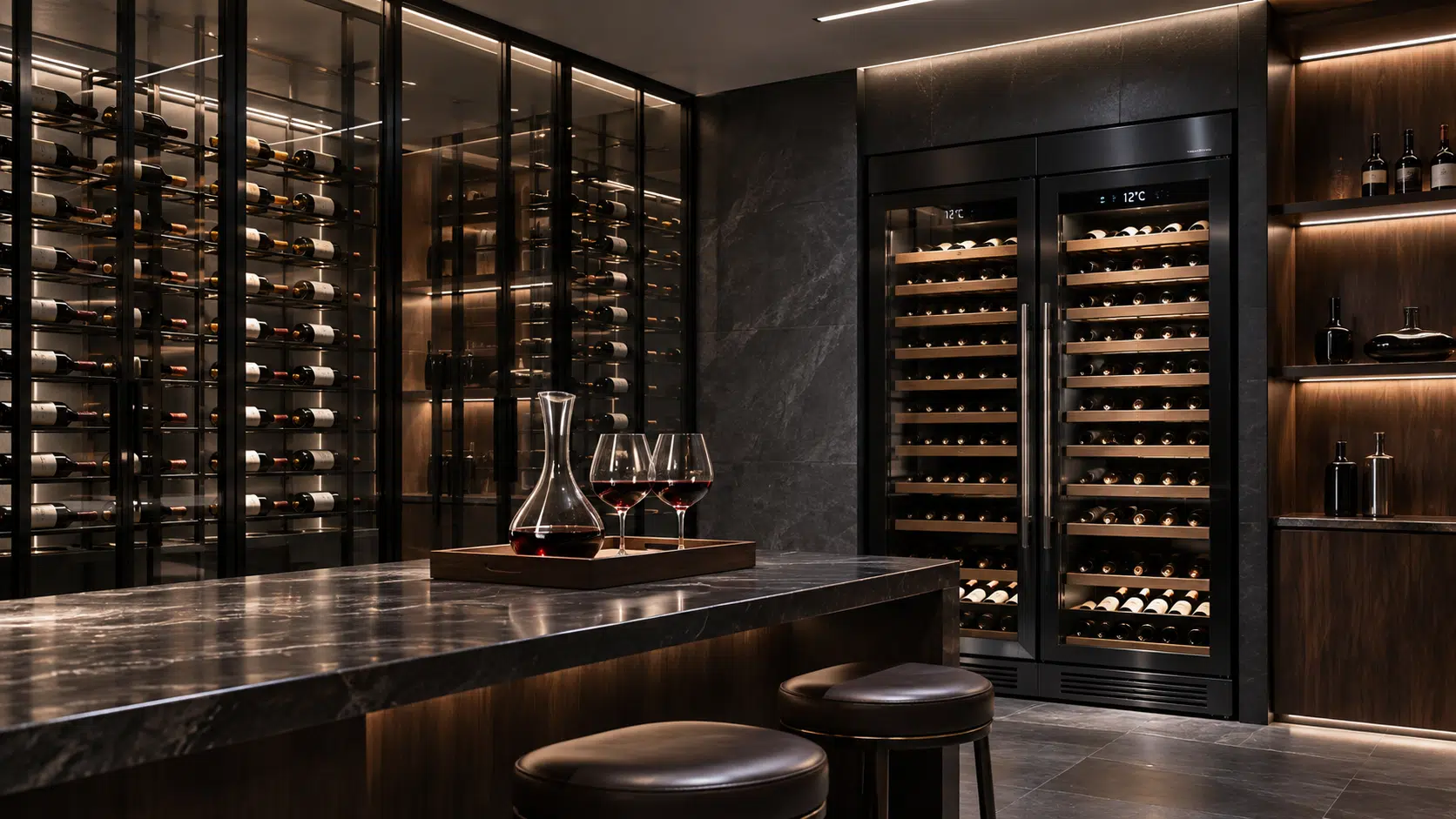
Wine Coolers: Protecting Flavor and Value
Wine is sensitive to temperature swings, light, vibration, and humidity. A good wine cooler keeps bottles between roughly 5°C and 18°C, depending on the style being stored, and holds that range without sharp fluctuations. Dual-zone models let owners keep reds and whites at different temperatures in a single cabinet, while single-zone units suit smaller collections.
Quality features worth noting include UV-filtering glass doors, low-vibration compressors or thermoelectric systems, wooden or coated metal shelving, and soft interior lighting that does not generate heat. Compressor-based units perform better in warm rooms and larger capacities, while thermoelectric models run quietly and suit compact spaces. Choosing the right type protects both the taste of the wine and the investment behind it.
Beverage Coolers for Homes, Kitchens, and Commercial Spaces
Beverage coolers are designed to keep soft drinks, beer, sparkling water, and juices cold and ready to serve. Compared with a standard kitchen refrigerator, they offer more efficient use of space, easy visibility, and quick access, which is why they are popular in home bars, game rooms, cafes, offices, and convenience stores.
Undercounter models fit neatly beneath kitchen worktops, while glass-door upright units double as display equipment in retail settings. Adjustable shelves, digital temperature controls, and reversible doors add flexibility. For commercial users, features such as self-closing doors, fan-assisted cooling, and fast temperature recovery after frequent opening are especially valuable. These traits connect directly to food service machinery standards, where consistency and hygiene are essential.
Outdoor Cooling Solutions Built for Weather
Cooling appliances placed on patios, in outdoor kitchens, or beside pool areas face challenges that indoor units never meet. Heat, humidity, dust, rain, and direct sunlight can all shorten the life of ordinary equipment. A purpose-built outdoor refrigerator freezer addresses these conditions with stainless steel exteriors that resist corrosion, sealed electronics, and cooling systems that keep working accurately even when ambient temperatures climb. Ventilation design is also critical, because compressors in hot environments must dissipate heat efficiently to avoid overworking. Buyers planning an outdoor kitchen should confirm that a unit is rated for exterior use, since installing an indoor model outside can void warranties and lead to early failure.
Medical Refrigerators: Precision and Compliance
Medical and laboratory refrigerators serve a very different purpose. They store vaccines, medications, blood products, reagents, and samples that can lose effectiveness if temperatures drift outside a narrow window, commonly 2°C to 8°C. For this reason, medical units rely on advanced controllers, forced air circulation, and fast recovery after door openings.
Important features include audible and visual alarms, data logging, battery backup, lockable doors, and calibrated sensors. Many facilities also expect compliance with recognized standards and documentation that supports audits. Unlike household products, medical refrigerators are judged by reliability and traceability, so manufacturers must apply tighter tolerances and more detailed testing at every stage of production.
Key Factors When Selecting a Manufacturer
Choosing a supplier for wine coolers, beverage coolers, or medical refrigerators involves several practical checks:
- Certifications and standards: Look for quality management systems and product approvals relevant to your market.
- Production capacity and testing: Ask about factory scale, inspection procedures, and performance testing before shipment.
- Customization options: Capacity, color, branding, control panels, and shelving may need adjustment to match your project.
- Energy efficiency: Efficient compressors and insulation lower electricity costs over the life of the product.
- After-sales support: Spare parts availability, warranty terms, and technical assistance reduce downtime.
- Materials and build quality: Stainless steel, tempered glass, and durable gaskets signal a product built to last.
Requesting samples, reviewing factory audits, and speaking with existing customers can further confirm that a supplier delivers consistent quality.
Conclusion
Wine coolers, beverage coolers, outdoor units, and medical refrigerators may share basic refrigeration principles, but each category requires its own engineering priorities. Wine storage needs gentle, stable conditions, beverage cooling needs convenience and efficiency, outdoor appliances need weather resistance, and medical storage needs precision and compliance. Working with an experienced manufacturer ensures that these needs are met through thoughtful design, careful testing, and dependable support. By evaluating certifications, customization options, energy performance, and service, buyers across home appliances, kitchen, food machinery, and industrial sectors can select cooling equipment that performs reliably for many years.