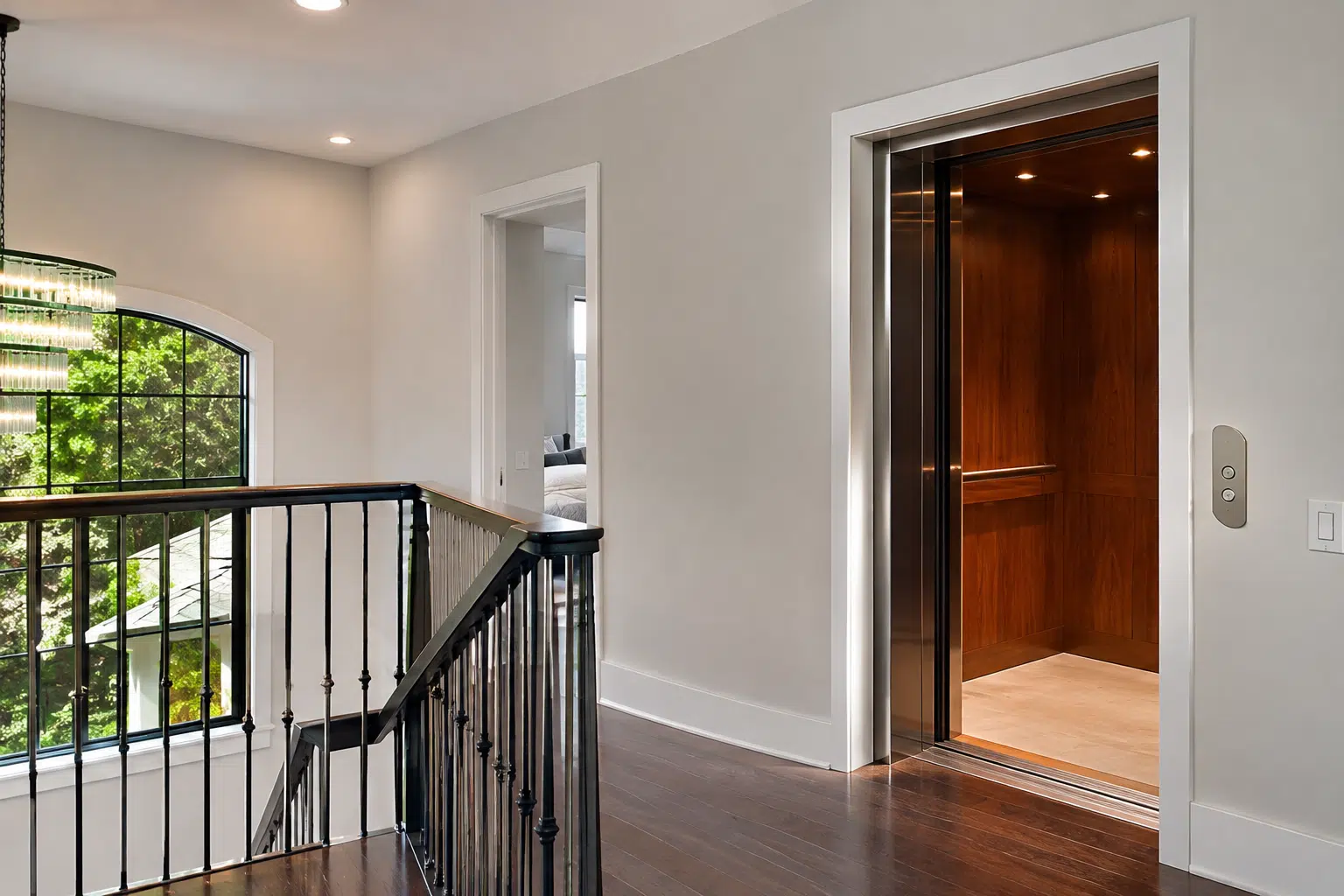
Residential elevators are becoming an increasingly practical feature in homes throughout South Carolina. From luxury waterfront properties in Hilton Head Island to multi-story residences in Charleston, Bluffton, and Beaufort, homeowners are installing elevators to improve accessibility, convenience, and long-term comfort.
However, installing a residential elevator is only part of the investment. Like other mechanical systems, elevators require ongoing maintenance to support safe and reliable operation.
One of the most common questions homeowners ask is: How much does it cost to maintain a residential elevator in South Carolina? Maintenance costs depend on several factors, including the elevator type, age, usage, service requirements, and installation environment—and coastal properties often require additional attention because of humidity, salt air, and severe weather. Understanding these expenses helps homeowners plan their budgets and protect their investment.
What Is the Average Residential Elevator Maintenance Cost?
Residential elevator maintenance costs vary depending on the equipment and the services included. As a general budgeting estimate, homeowners may encounter annual routine maintenance costs of approximately $300 to $1,000 or more. This is an illustrative range rather than a verified South Carolina market average, and actual quotes may fall outside it.
Some maintenance providers offer annual service agreements, while others charge for individual inspections and service visits. A basic maintenance appointment typically includes checking operating components, inspecting safety features, and identifying early signs of wear, whereas extensive servicing, repairs, and replacement parts involve additional charges. Homeowners should request written estimates from qualified local elevator companies to understand the exact costs associated with their equipment.
Elevator Type Affects Maintenance Expenses
Different residential elevator technologies rely on distinct mechanical components and service routines:
Hydraulic Residential Elevators
Hydraulic elevators use fluid pressure to move the cabin between floors. Maintenance typically involves inspecting hydraulic equipment, fluid condition, seals, electrical controls, and safety mechanisms, with leaks or worn seals requiring additional repair work.
Traction and Cable-Driven Elevators
Traction and cable-driven elevators use motors and mechanical lifting arrangements. Professional maintenance generally includes inspecting cables or belts, brakes, motors, guide equipment, and control systems according to the manufacturer’s specifications.
Pneumatic Residential Elevators
Pneumatic elevators use controlled air-pressure differences to move the cabin. Their maintenance requirements center on vacuum seals, valves, controls, and other manufacturer-specific components—making it worthwhile to compare long-term service recommendations before choosing a drive system.
How Often Should a Residential Elevator Be Serviced?
The appropriate maintenance schedule depends on the elevator model, manufacturer recommendations, operating conditions, and local safety requirements. Many residential elevators receive scheduled professional maintenance once or twice annually, while systems that experience heavy daily use or significant coastal exposure may need more frequent attention.
A qualified technician can recommend an appropriate schedule after evaluating the equipment. Homeowners should avoid postponing recommended inspections simply because the elevator appears to operate normally, as routine service catches developing wear before it leads to unexpected breakdowns.
Coastal Weather Can Increase Maintenance Needs
South Carolina’s coastal climate directly influences the long-term maintenance needs of residential elevators. Properties in Charleston, Hilton Head Island, Bluffton, and Beaufort contend with high humidity and salt-laden air that can accelerate corrosion and wear on susceptible components—particularly on outdoor or semi-exposed installations.
What Coastal Maintenance Technicians Inspect
- Exposed metal components and guide rails
- Electrical enclosures and wiring connections
- Door tracks, latches, and interlock mechanisms
- Fasteners and structural supports
- Protective coatings and marine-grade finishes
- Signs of moisture intrusion in the hoistway or pit
Homeowners should select equipment rated for their specific installation environment and follow manufacturer guidelines for coastal care.
Indoor vs. Outdoor Elevator Maintenance Costs
Indoor residential elevators generally operate in climate-controlled, protected environments with less direct exposure to rain, wind, and salt spray. Outdoor residential elevators—such as exterior lifts serving elevated beach houses—often require closer attention to corrosion prevention, drainage, and weatherproofing.
That said, outdoor elevators are not automatically more expensive to maintain in every situation. Actual long-term expenses depend on build quality, coastal-grade finishes, installation conditions, and consistent preventative care, making a property-specific assessment the most reliable way to compare costs.
Does Elevator Age Affect Maintenance Costs?
As residential elevators age, mechanical and electronic components naturally experience wear and eventually require replacement. While newer installations typically need little beyond routine annual inspections and lubrication, older systems may require updated control boards, fresh seals, door operators, or replacement cables—making consistent preventative servicing essential to extending the lifespan and safety of the unit.