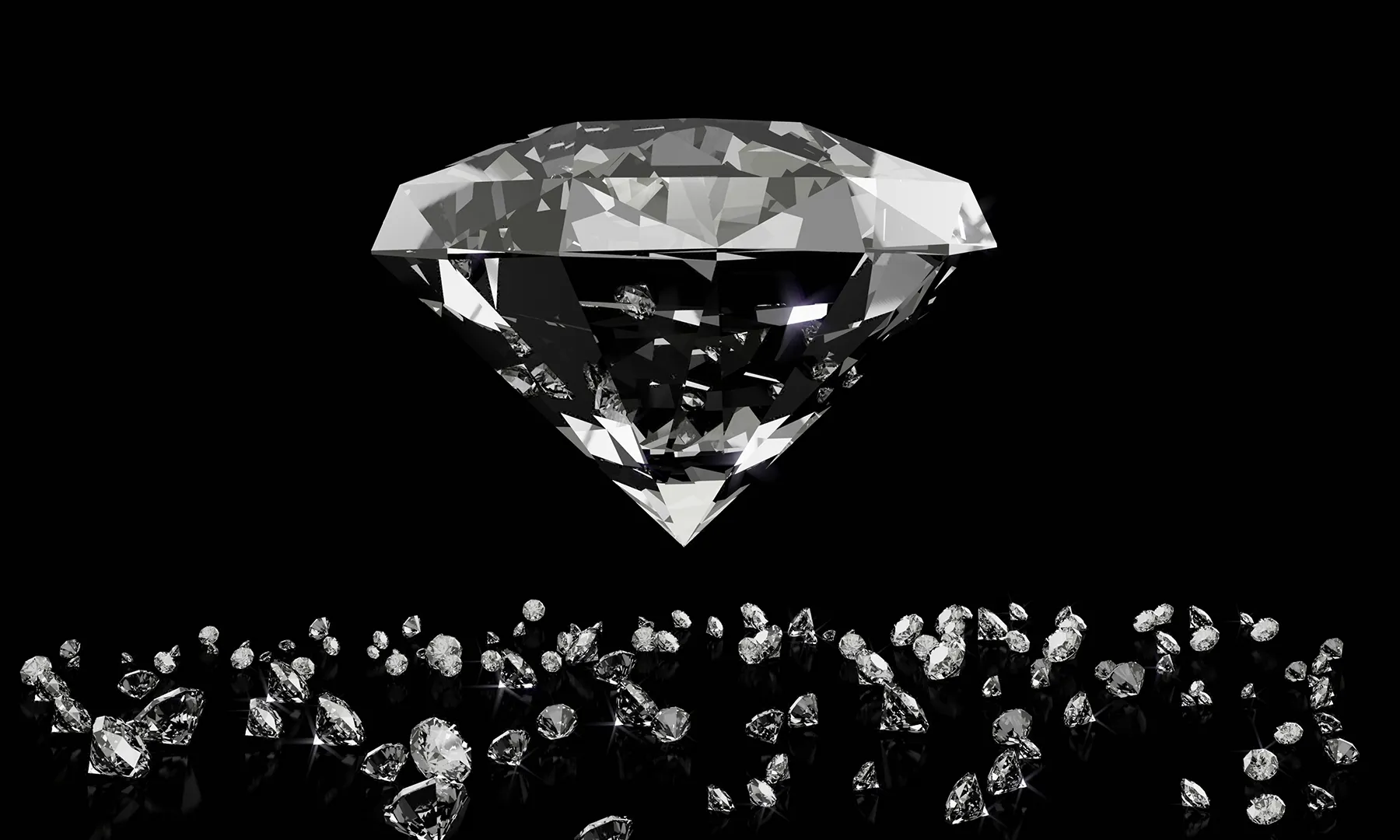
Ethical sourcing and environmental impact weigh as heavily as cut and clarity. Many buyers want pieces that align with their personal values without sacrificing the look of a premium gemstone.
Lab-grown diamonds provide a path for those who value both beauty and integrity. Modern technology can create stones that are physically identical to those found underground. Choosing lab gems represents a commitment to a cleaner future for the industry.
The Standards of Luxury
People once viewed luxury as something rare and difficult to obtain. Collectors ask about the history of their gemstones before making a purchase. They want to know that no harm occurred during the production of their favorite rings or necklaces.
Buyers feel empowered when they know the origins of their jewelry, as they are no longer satisfied with vague promises or old industry standards. Modern collectors see ethics as a core part of the value of a stone. A diamond that carries a clean history feels much more special than one with a clouded past.
Style And Substance Combined
Selecting the perfect accessory involves balancing aesthetics with a clear conscience. Many people find that suppliers like After Diamonds lab created diamond jewellery offer a sophisticated way to wear high-end designs. Buyers can enjoy the brilliance of a diamond knowing exactly where it originated.
Jewelry should reflect the personality and the beliefs of the person wearing it. Modern designs use lab stones in everything from engagement rings to delicate earrings. Designers have more freedom to experiment with larger stones or rare colors. Fashion lovers no longer have to compromise on size or quality to stay within their budget.
Historical Context Of Mining
For decades, the process of extracting stones from deep within the earth was the only option. Large open-pit mines transformed local environments and required considerable human labor. Communities faced difficult conditions to meet the global demand for precious gems. Traditional methods stayed the same for over 100 years without much change in oversight.
Activists and consumers started demanding better treatment for workers and the land. Governments tried to regulate the trade, yet problems with transparency remained. Their success led to the high-quality lab stones we see in shops today.
The Environmental Footprint Of Diamonds
Mining operations require massive amounts of energy and land displacement to find a single stone. For every carat of mined diamond, operations produce 57 kilograms of carbon dioxide. These operations generate 2.63 tonnes of mineral waste and consume 480 litres of water.
Laboratory settings offer a controlled alternative that uses far fewer natural resources. Energy used in labs comes from renewable sources like solar or wind power. Land remains undisturbed, and local water supplies stay clean and protected. Choose a lab stone to prevent the habitat destruction associated with giant mining pits.
Comparing Physical Properties
Many people wonder if stones grown in a lab are real diamonds. Scientists use heat and pressure to mimic the exact conditions found in nature. The result is a gemstone with the same chemical and optical properties as a mined stone. Even professional jewelers need special tools to tell the difference between the two.
The brilliance and fire of a lab diamond match those of a natural stone perfectly. Every atom in a lab-grown diamond is arranged in the same way as a stone from the earth. Buyers receive a gem that is just as tough and sparkling as any other diamond.
Tracking The Global Market Rise
The global demand for lab-created gems continues to climb as more people learn about their benefits. A recent market report suggests the lab-grown diamonds market size will grow to $30.16 billion this year. Growth reflects a compound annual growth rate of 7.9% over that period. Consumer confidence is growing as the quality of these stones remains consistently high.
People of all ages are choosing these gems for their life-changing events. The market shift shows that shoppers value innovation and sustainability. Lab diamonds are becoming the new standard for the jewelry industry worldwide. The rapid growth suggests a permanent change in how people buy luxury goods.
Transparency In Modern Manufacturing
Technology provides a level of certainty that was previously impossible to achieve. Scientists can trace every step of the growth process from a tiny seed to a full gemstone. Data helps buyers feel secure in the authenticity and origin of their purchase.
- Growth occurs in specialized chambers under extreme heat
- Stones are graded by the same experts who evaluate mined gems
- Certification confirms that every physical property matches a natural diamond
Clear documentation prevents the confusion that sometimes surrounds traditional supply chains. Every lab-grown diamond comes with a paper trail that proves its ethical status. Collectors appreciate the honesty that comes with modern manufacturing.

Collectors no longer have to choose between a stunning aesthetic and their own morals. The options for beautiful, ethical jewelry will only expand. Fine jewelry should bring joy without leaving a negative mark on the planet. Buyers support a more sustainable path for the entire industry.