
Back pain used to mean long hospital stays and large scars. Patients are worried about the recovery time associated with major operations.
Doctors now restore function with as little disruption to the body as possible. New tools and techniques allow for more precision than ever before. You can find relief without the heavy burden of traditional methods.
Modern Shifts In Back Health
Patients are seeking ways to return to their daily lives faster. Medical teams now prioritize methods that spare muscle tissue and reduce bleeding. Small changes in how surgeons access the spine can affect comfort.
Doctors spend years training on specific instruments designed for tiny openings. Patients feel more confident knowing their surgeon uses a refined approach. Surgeons can navigate the complex anatomy of the back with high-definition cameras. Using specific tools helps them see every nerve and bone in great detail.
Advancements In Stabilization Methods
The medical field has seen rapid growth in how doctors stabilize the back. Many patients now opt for spinal fusion surgery when conservative treatments fail to provide relief. Modern techniques allow for smaller incisions and less trauma to the surrounding tissue.
New types of cages and spacers help the bones grow together more effectively. Some implants are made from materials that mimic the natural feel of bone. Your body can accept the hardware more easily when the surface matches human biology.
Understanding Minimally Invasive Approaches
Minimally invasive surgery uses tiny cameras to see inside the body. Surgeons work through small tubes to fix issues like pinched nerves or slipped discs. Recovery happens in weeks, not months.
Most patients appreciate the smaller scars that come with modern procedures. Smaller incisions mean less risk of wound issues during the healing phase. You can often go home the same day the operation takes place.
A smaller entry point means surgeons do not have to cut through large muscle groups. Keep those muscles intact to achieve less pain after the procedure is over. Physical therapy usually starts sooner, so you can get back to your favorite activities.
The Role Of Precision Robotics
In 2024, the robotic spine systems represented a $208 million industry. Robotic machines help surgeons place hardware with extreme accuracy. A robotic arm does not replace the human surgeon at any point. The arm provides a steady guide for placing screws and implants exactly where they belong.
The surgeon stays in full control and uses the robot for added stability. Computers map out the best path for every screw before the first cut is made. Robotic assistants follow that map with sub-millimeter precision. Accuracy in hardware placement reduces the need for future adjustments or corrective operations.
Navigating Recovery Timelines
Healing after a procedure is a gradual process that requires patience. Most people can start walking the same day as their surgery. Following a physical therapy plan helps rebuild strength safely.
Doctors use local numbing agents that last for several days after the surgery is done. You might need fewer oral medications as a result of long-lasting blocks. Eating plenty of protein and vitamins helps the bone and muscle tissue repair itself. Staying away from tobacco products is a requirement, as smoking slows down the healing of bone.
Artificial Intelligence In Modern Diagnostics
Computers now help doctors find problems that the human eye might miss. Nearly 1,000 AI-based medical devices received regulatory approval in 2025. Software can analyze scans to predict which treatments will work best for a specific person.
AI can look at thousands of X-rays in a matter of seconds to find tiny fractures. Surgeons can plan the entire operation before you even enter the room. Shared data means your physical therapist and surgeon are always on the same page. Coordination leads to fewer errors and a smoother transition back to health.
Future Trends In Surgical Support
Research data shows that fusion procedures made up over 66% of the spinal device market share. The high demand is pushing companies to create even better implants. Engineers are testing new coatings that help bone cells stick to the surface of implants.
The medical industry is moving toward personalized implants made just for your body. With 3-D printing, create parts that fit the exact shape of your vertebrae. Custom hardware helps the spine stay aligned and reduces the chance of future issues. Common goals for new spinal tech include:
- Faster bone growth after the procedure
- Reduced risk of infection at the site
- Lower rates of hardware failure
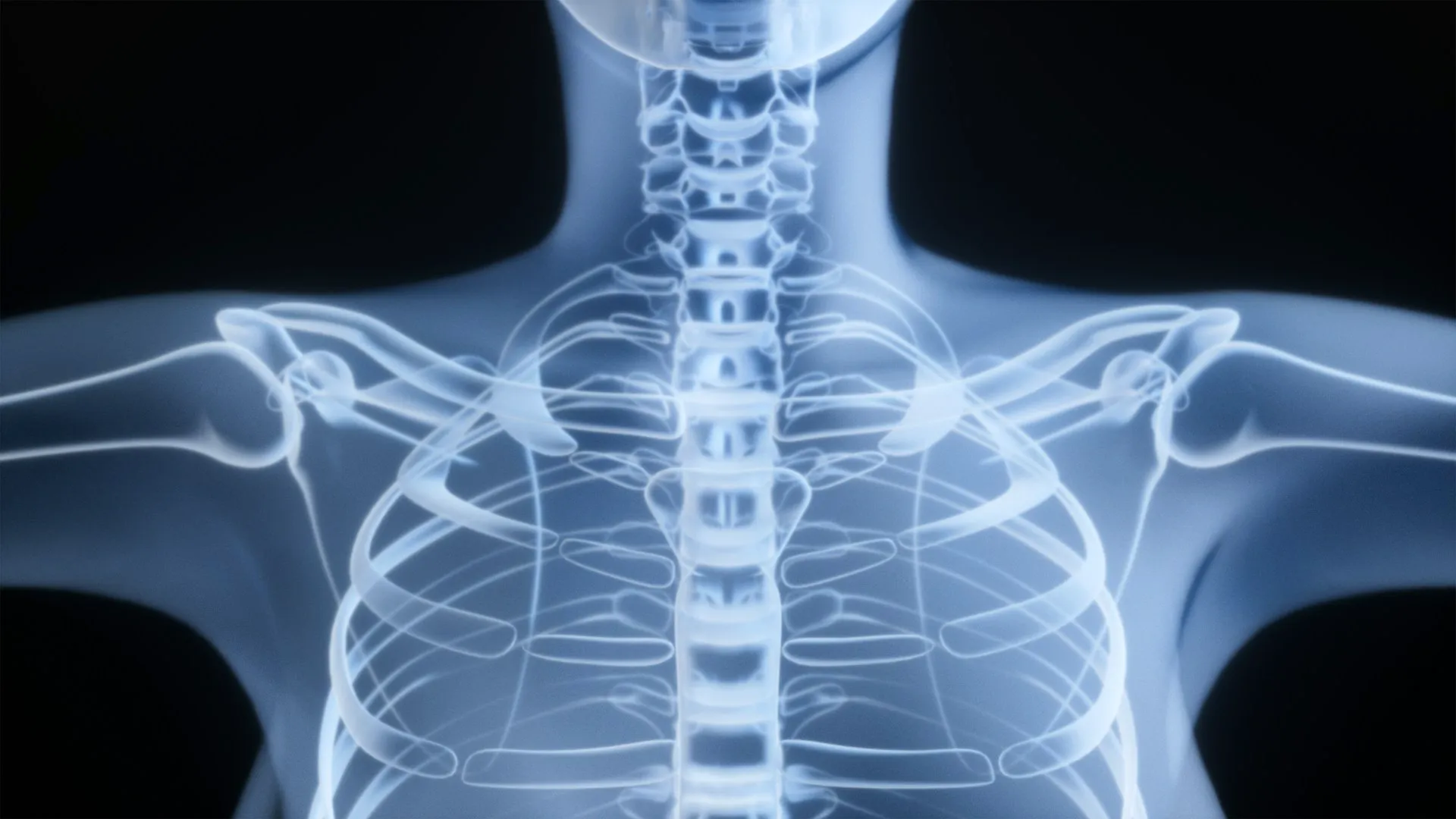
Every extra pound adds stress to the discs that can act as shock absorbers for your body. A balanced diet and regular movement protect your spine. People no longer have to live with debilitating pain for years on end.
Seeking help early can prevent minor issues from becoming permanent problems. Your back is the foundation of your mobility and deserves the best care available. Embracing new options will result in a more active and fulfilling life.