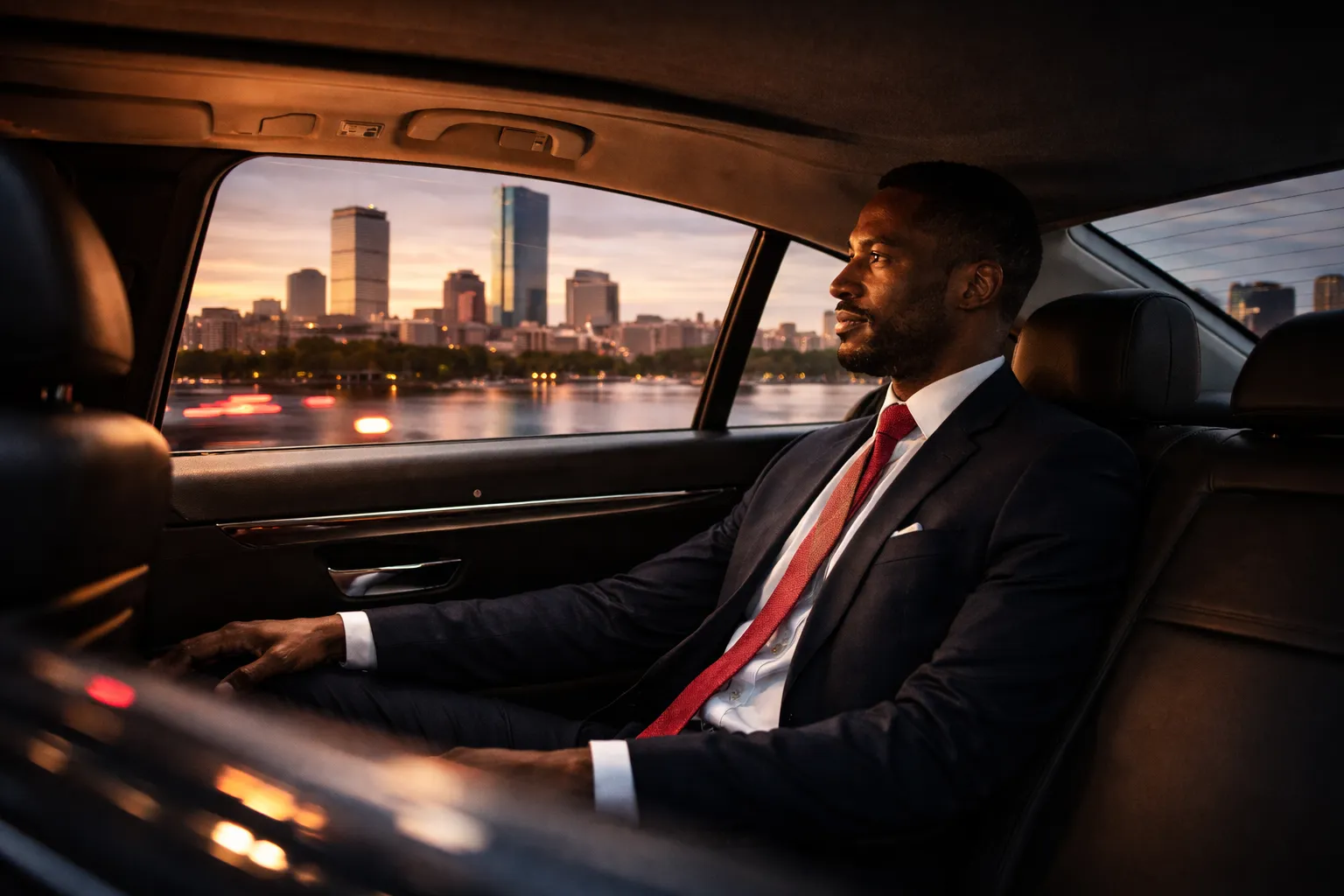
If you have ever stepped off a late shift in Boston and walked toward a quiet train platform at 11:30 at night, you already know the feeling. The station looks different after dark. Fewer people stand on the platform, the lighting feels dimmer, and the next train might not arrive for another 25 minutes. For thousands of Boston riders, that experience shapes how they think about getting home, and it explains why so many of them now look for private transportation in Boston instead of waiting it out.
This shift did not happen overnight. It grew out of real, repeated experiences that late-night commuters, students, healthcare workers, and airport travelers deal with across the MBTA system. The concerns are practical, personal, and specific to what happens when public transit slows down and riders lose the comfort of a busy, well-lit, frequently served route.
Late-Night Travel Feels Different Across Boston
During rush hour, Boston’s transit system moves large crowds through busy stations with short wait times and constant foot traffic. Riders feel a natural sense of security because the platforms stay full, trains arrive frequently, and station staff remain visible. That changes noticeably once evening service begins to wind down.
After 9 or 10 p.m., many stations along the Green, Red, and Orange Lines thin out quickly. Headways stretch from 5 or 6 minutes to 15 or 20. Fewer riders stand on the platform. Station entrances that felt active two hours earlier now sit mostly empty. For someone finishing a restaurant shift in the Back Bay or leaving a hospital in Longwood, the walk to the station and the wait on the platform feel like a completely different experience from the morning commute.
That contrast matters because it changes how riders weigh their options. A transit trip that feels routine at 7 a.m. can feel uncomfortable at midnight, and that discomfort pushes many people toward private ride options in Boston.
Which Safety Concerns Stand Out After Dark
Not every rider worries about the same thing, but a few concerns come up again and again among people who travel late at night on Boston’s public transit.
Isolated Platforms and Stops
Many bus stops and train platforms sit in areas with limited foot traffic after dark. A rider waiting alone at a stop near Andrew or Suffolk Downs at 11 p.m. has very little company and very few options if something feels wrong.
Dimly Lit Walking Routes
Getting to the station often means walking a few blocks through poorly lit streets. For riders leaving work in neighborhoods like Mattapan, Dorchester, or Allston, that walk adds another layer of concern before they even reach the platform.
Limited Staff Visibility
During late hours, many stations have fewer visible employees. Riders who feel uneasy have fewer people to approach, and that absence of staff changes how safe a station feels, even if no specific threat exists.
The most common concerns include:
- Waiting alone on a platform for 15 minutes or longer with no other riders nearby.
- Walking through empty parking lots or unlit corridors to reach a bus stop.
- Riding in a near-empty train car late at night with no transit personnel in sight.
- Standing at an above-ground stop in cold or rainy weather with no shelter and no crowd.
Each of these situations affects how riders feel about their trip, and those feelings influence what they choose to do next time.
Service Gaps Make Nighttime Transit Harder
Safety concerns do not exist in isolation. They grow stronger when service becomes unreliable, and Boston’s late-night transit schedule creates exactly that kind of gap.
Reduced Frequency After 9 p.m.
The MBTA reduces train frequency significantly in the late evening. A rider who just misses a train at Park Street after 10 p.m. may wait 18 to 22 minutes for the next one. On bus routes, the gaps can stretch even longer, especially on lines that serve outer neighborhoods.
Last-Train Pressure
The final trains on most MBTA lines leave downtown Boston around 12:30 a.m. If you finish work at midnight and need to get from Downtown Crossing to Braintree, the margin for error is tight. Missing that last train means finding another way home entirely, often at a higher cost and with fewer choices.
These service realities add pressure to every late-night trip:
- A delayed bus forces a rider to wait longer in an empty, uncomfortable location.
- A missed connection at a transfer station leaves someone stranded between lines.
- Last-train cutoffs push riders to rush through dark stations or risk being stuck.
- Weekend schedule changes reduce service further, catching regular riders off guard.
When you combine safety concerns with inconsistent service, the result is a growing number of riders who decide the public transit option no longer works for them after dark.
Which Riders Feel These Pressures Most
Late-night transit concerns affect a wide range of Boston travelers, but certain groups feel the weight of those concerns more directly.
Restaurant and hospitality workers often finish shifts between 10 p.m. and 1 a.m. Many of them depend on transit but find themselves facing long waits and empty stations at the exact hours when service drops off. Healthcare workers at Boston’s major hospitals deal with similar timing, especially nurses and support staff leaving evening or overnight shifts.
College students traveling back to off-campus housing also face this pressure. A student leaving a library or campus event at 11 p.m. may need to transfer between bus and train lines, and each transfer adds time spent waiting in a quiet, unfamiliar spot.
Airport travelers arriving at Logan on late flights represent another group. Someone landing at 11:30 p.m. and hoping to take the Blue Line into the city may find limited service, a long platform wait, and an uncertain connection to their final destination.
Families also play a role in this pattern. Parents arranging transportation for a college-age child or an elderly relative often prefer to book a private ride rather than ask someone they care about to wait alone at a station late at night.
How Private Transportation Addresses Night Concerns
Private transportation in Boston appeals to late-night riders because it removes many of the specific problems that make public transit uncomfortable after dark.
A private car picks you up at your location. You do not walk through an unlit street to reach a platform. You do not stand alone at a bus stop, wondering when the next vehicle will show up. You do not worry about missing a last connection.
The practical benefits show up clearly for riders making this comparison:
- Door-to-door pickup removes the need to walk through isolated areas.
- Scheduled rides give riders a confirmed departure time with no guessing.
- Consistent availability means the ride shows up whether it is 10 p.m. or 1 a.m.
- Direct routing avoids transfers, reducing total travel time and exposure to empty stations.
For a nurse finishing a shift at Brigham and Women’s or a server closing down a restaurant on Newbury Street, these details matter. The ride home becomes something predictable and controlled, and that predictability carries real value when the alternative involves standing on a cold platform hoping the next train arrives on time.
Boston private ride services also offer tracking and communication features that give riders and their families a clear view of pickup status, chauffeur details, and arrival time. That kind of information adds a layer of reassurance that public transit cannot match at midnight.
Why Demand for Private Transportation Service Keeps Growing
The pattern behind this demand is straightforward. Public transit in Boston operates on a reduced schedule after dark, and that reduced schedule places riders in situations that feel less safe and less reliable. Each time a commuter, student, or shift worker has a difficult late-night transit experience, the appeal of private transportation grows a little stronger. Even with the MBTA’s late-night service changes, many riders still have to think carefully about coverage, wait times, transfer points, and how comfortably they can get from the station to their final destination after dark. For people traveling late at night, that uncertainty is often enough to push private transportation higher on the list.
This is not a temporary trend. Boston’s late-night workforce continues to grow, with expanding hospital systems, a busy restaurant and service economy, and a large student population spread across the metro area. All of these groups need reliable, safe transportation at hours when public transit pulls back. Private transportation in Boston fills that gap because it responds directly to what riders need most after dark: a confirmed ride, a safe pickup point, and a direct trip home. As long as late-night public transit remains limited in frequency, staffing, and coverage, demand for private alternatives will keep building across the city.