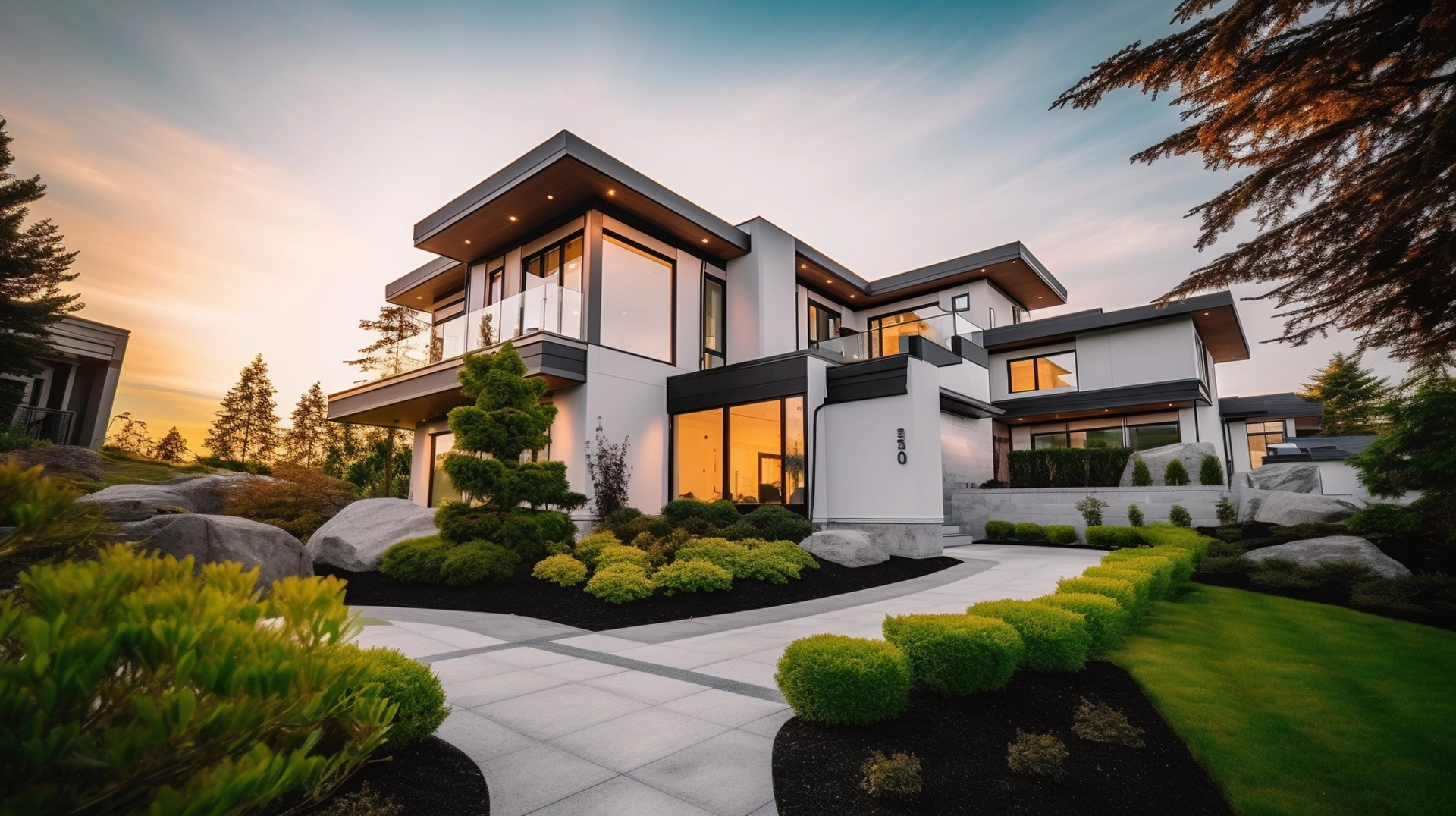
Somewhere in the hills above Beverly Hills, a family recently completed a 1,200-square-foot addition to their estate. Not a screening room, not a wine cellar, not another guest suite. A learning wing — a private, purpose-built environment for their two children to read, study, create, and grow across the next decade of their lives.
Five years ago, this project would have raised eyebrows. In 2026, it is quietly becoming standard among a certain tier of affluent families. Custom architecture firms in Los Angeles, Miami, London, and Dubai now regularly design what were once called “family libraries” into full multi-room educational retreats — spaces built for the way children actually learn today, not the way schools taught yesterday.
This guide covers what a modern luxury home learning wing actually looks like, how the best of them are designed, the technology and interior choices that separate an inspiring space from a merely expensive one, and the mistakes affluent families consistently make when commissioning them. Written for the homeowners, designers, and architects reshaping how the next generation of privileged children encounters knowledge at home.
What is a luxury home learning wing and why are affluent families building them?
A luxury home learning wing is a dedicated, purpose-designed section of a private residence — typically 800 to 2,500 square feet — combining a study area, reading nook, creative studio, digital learning zone, and often a small performance or discussion space. Affluent families are commissioning them because private schools, tutors, and enrichment programs no longer feel sufficient without a home environment that reinforces sustained, deep learning outside classroom hours.
Three trends drove this shift among the world’s most design-conscious families.
Homeschooling and hybrid learning became genuinely aspirational. For decades, homeschooling carried certain cultural assumptions. That changed dramatically in recent years, particularly among families with the resources to hire private tutors, curriculum specialists, and educational consultants. Full hybrid arrangements — mornings with tutors at home, afternoons at boarding school or elite day school — became common enough that the home needed a serious learning environment to support them.
Family estates evolved beyond entertainment. The luxury home of 2005 focused on entertainment infrastructure — screening rooms, wine cellars, catering kitchens, guest wings. The luxury home of 2026 increasingly focuses on development infrastructure — wellness suites, meditation rooms, private gyms, art studios, and yes, learning wings. Families with resources are investing in spaces that support who their children become, not just how the family entertains.
The tools finally caught up with the ambition. Even five years ago, a home learning space meant a desk, a shelf of books, and perhaps a globe. In 2026, families can integrate advanced audio-visual systems, interactive display walls, curated digital learning platforms like Khan Academy and blooket.it.com resources, personal AI tutoring assistants, and custom-designed reading environments that rival any school library. The design possibilities expanded, and so did family expectations.
The result is a category of home architecture that barely existed a decade ago and now defines a certain approach to affluent family life.
How do luxury families design a home learning wing in 2026?
The process begins with a clear educational philosophy — Montessori, classical, tutor-based, hybrid schooling — and works backward from there into architecture, zoning, materials, and technology. The best learning wings integrate five distinct zones: a focused study area, a collaborative discussion space, a creative studio, a reading sanctuary, and a technology zone that supports both digital learning and family archives.
Here is the design sequence that produces spaces families actually use across years, not just months.
Step 1 — Define the learning philosophy first. Before an architect drafts a single line, the family should articulate how they want their children to learn. Montessori-influenced families emphasize open floor plans, natural materials, and self-directed exploration. Classical education families lean toward traditional library aesthetics, formal reading tables, and structured environments. Hybrid learners need flexibility for both. Philosophy drives design; design cannot compensate for unclear philosophy.
Step 2 — Choose the location within the estate carefully. The best learning wings sit away from primary entertainment areas and household traffic. Natural light is non-negotiable — a north-facing wing with skylights typically outperforms a south-facing wing with heavy sun exposure. Consider proximity to the garden or outdoor space, which allows for transitional learning experiences and biophilic design integration.
Step 3 — Zone for different learning modes. No single space handles focused reading, group discussion, digital learning, and creative work well. The most successful wings have architectural separation between these functions — sometimes through walls, sometimes through half-walls, sometimes through changes in ceiling height, flooring, or lighting. Zones give children permission to switch modes without switching buildings.
Step 4 — Invest heavily in acoustics and lighting. Acoustic design is where amateur home libraries fail. Wool panels, upholstered wall treatments, custom rugs, and layered ceiling design keep sound where it belongs. Lighting follows the same principle — layered ambient, task, and accent lighting that shifts with the time of day and the type of work being done. Smart lighting systems that adjust color temperature across the day materially affect focus.
Step 5 — Select furniture as investment pieces. A luxury learning wing deserves furniture that will still feel appropriate when the children are teenagers. Custom desks from firms like Linley or Studioilse, ergonomic seating from Herman Miller or Vitra, and a single showcase reading chair from a heritage maker like Wittmann or Poltrona Frau anchor the space through years of daily use.
Step 6 — Integrate technology invisibly. Every wire should be hidden. Every screen should retract or blend into millwork when not in use. The best technology integrations feel like discovering hidden functionality inside a beautifully-designed room, not staring at exposed electronics on a shelf. Companies like Crestron, Savant, and Lutron handle this integration seamlessly for firms that specialize in high-end residential work.
The design process typically takes 4-8 months from initial brief to move-in, with construction adding another 6-12 months depending on scope. Rushing this timeline produces the kind of space that feels like a designer catalog rather than a lived-in family retreat.
What features, technology, and tools define an exceptional learning wing?
The finest learning wings combine bespoke architectural elements with carefully curated technology and educational tools. Standard features include custom bookshelves designed to display a growing family library, a technology zone with concealed screens and audio systems, a creative studio for art and music, comfortable reading environments with tailored lighting, and outdoor connectivity through French doors or seamless glass walls.
Here is what actually goes into the exceptional examples.
The library core
A serious learning wing centers on books. Custom bookshelves built in walnut, oak, or a lacquered contemporary finish should be designed to accommodate a library that grows with the children — from illustrated first books to advanced texts, art monographs, and family archives. The best examples include a rolling library ladder, integrated lighting that highlights specific volumes, and dedicated display shelves for rotating collections.
Include comfortable reading positions throughout — a window seat, an oversized armchair with a proper reading lamp, and floor cushions for younger children. Reading should feel possible in multiple postures throughout the space.
The creative studio
Every serious learning wing includes a space for making — painting, sculpture, music, digital art, or hands-on projects. This zone requires durable surfaces (marmoleum or sealed concrete flooring), abundant storage for supplies, and adequate lighting for detailed work. A wall-mounted digital display for tutorial content or reference imagery bridges traditional making with contemporary learning tools.
Include an area for music if any family members play — a small instrument corner, appropriate acoustic treatment, and space for practice without disturbing the rest of the household.
The technology zone
The best technology zones balance capability with restraint. A large touchscreen or high-quality projector for family lessons and video content. A dedicated workstation with premium ergonomic seating. Fast wired network access rather than pure wireless for reliability during learning sessions. Custom cable management that keeps the aesthetic clean.
Families increasingly integrate educational platforms into daily routines here. Streaming Khan Academy videos to the main display, running weekly review sessions through gamified platforms like Duolingo, or hosting family game nights using Blooket play sessions on a large screen — these activities need infrastructure that supports them elegantly, not begrudgingly. The technology zone is where educational tools stop being screens on laps and become shared family experiences.
The discussion nook
The overlooked feature in most home learning wings is a small, purpose-built discussion space. Two or four comfortable chairs facing each other, perhaps around a small table, in an alcove or bay window. This is where a parent and child discuss what was read that day, where a tutor conducts sessions, where family members debate ideas. Its intimacy makes it functionally different from the primary study area.
The outdoor connection
The finest wings connect to a garden, courtyard, or terrace through French doors, sliding glass walls, or a covered outdoor learning terrace. Reading outdoors, moving between focused indoor work and reflective outdoor time, and studying botanical specimens directly from a garden — these transitions dramatically enrich the learning environment.
Bespoke details that separate great from good
Small details matter disproportionately at this level. A dedicated coat and bag storage system for arriving from school. A hidden refreshment station for tea, water, and small snacks during study sessions. Custom stationery drawers stocked appropriately. A display case for family academic milestones — first published essays, science fair projects, art awards. These touches make the space feel personal rather than showpiece.
What mistakes do families make when commissioning a home learning wing?
The biggest mistakes are prioritizing aesthetic over function, over-scaling the space, ignoring how children actually study, treating it as a status symbol rather than a working environment, and skipping the daily-use test before final design approval. Even well-funded projects fail these tests when families defer entirely to designers without knowing what they actually need.
Six patterns repeat across projects I have observed or consulted on.
Mistake 1 — Designing for the photo shoot. The most-photographed home learning wings are often the least-used. Perfect empty shelves, staged desks, and cinematic lighting produce beautiful images that quickly reveal a space nobody actually inhabits. Great learning wings show wear — books stacked untidily, art supplies mid-project, coffee cups by reading chairs. Design for that reality.
Mistake 2 — Over-scaling the space. A 3,000-square-foot learning wing for two children is not more impressive than a 1,000-square-foot wing designed with genuine intent. Excessive scale actually degrades the sense of intimate focus that makes these spaces work. The best examples feel proportionate to the family, not proportionate to the estate.
Mistake 3 — Ignoring how children actually study. Children do not typically study at pristine desks in silent rooms. They study curled up on floors, sprawled across couches, walking around thinking, and sometimes lying upside down on chairs. A learning wing that only accommodates one posture will be abandoned within months. Design for messiness of use.
Mistake 4 — Treating the wing as a status symbol. Guests should barely know it exists. The moment a learning wing becomes something the family shows off during dinner parties, it stops being a private educational retreat and starts being a party trick. Restraint is what preserves its function.
Mistake 5 — Skipping the daily-use test before final design. Before signing off on final architectural plans, spend a day imagining the actual daily flow. Where does a child sit during morning tutoring? Where do they read after lunch? Where do parents review work with them? Walking through the design in imagined daily use surfaces flaws that no rendering will reveal.
Mistake 6 — Underinvesting in acoustic design. Every well-funded learning wing I have seen fail did so because sound bounced. Voices carried. Focus broke. Acoustic engineering — panels, treatments, thoughtful materials — is what separates a serious learning environment from a beautifully lit hallway.
Mistake 7 — Choosing furniture that cannot age with the children. A learning wing designed exclusively for 8-year-olds will feel infantile by the time they reach 12. Choose furniture and finishes that read as timeless, then let smaller decorative elements — cushions, artwork, desktop accessories — evolve as the children grow.
Families who avoid these traps build learning wings their children genuinely inhabit across a decade or more. Families who fall into them build expensive rooms that quietly gather dust.
FAQs
How much does a luxury home learning wing typically cost to build?
Cost varies dramatically by region and specification. Modest additions can start around $200,000-$400,000 for a single-room dedicated study built to high standards. Full multi-room learning wings with integrated technology, custom millwork, and architectural distinction typically range from $800,000 to $2.5 million. Complete estate additions with outdoor connections and premium finishes can exceed $4 million.
Should the learning wing be part of the main house or a separate structure?
Both approaches work, but for different reasons. Wings inside the main house support younger children and integrate into daily family life. Separate structures — pool houses, garden studios, standalone pavilions — work better for older children and teenagers who need psychological separation for focused work. Many families end up building both across different life stages.
How does a learning wing integrate with private tutors and homeschool arrangements?
The best wings include a small tutor’s alcove — a private space where a tutor can prepare between sessions, store materials, and have brief parent conversations. This professionalizes the tutor relationship and makes hosting private educators feel appropriate rather than awkward. Some estates include a small tutor’s suite for live-in or long-visit arrangements.
Are learning wings good investments for resale value?
Purpose-built learning wings that cannot easily convert to other uses may reduce resale appeal to buyers without children. The most resale-friendly designs use flexible spaces — a library that could function as a home office, a creative studio that could serve as a hobby room. Build flexibility into the architecture even if the current family plans a decade of educational use.
Should families involve their children in the design process?
Absolutely, but at appropriate scales. Children can meaningfully contribute preferences about their reading nooks, art zones, and personal touches. They should not drive architectural decisions about the overall wing structure. Involving them in age-appropriate ways builds ownership over the space and increases the likelihood they actually use it consistently.
What is the best age to build a home learning wing?
The strongest projects begin when the eldest child is 5-8 years old, allowing the wing to grow with them through elementary and middle school. Building too early produces spaces designed for toddler needs that become obsolete quickly. Building too late means missing the years when a dedicated home learning environment shapes study habits most powerfully.
Do learning wings need dedicated Wi-Fi and network infrastructure?
Yes. Dedicated network infrastructure — enterprise-grade Wi-Fi, wired connections for main workstations, appropriate bandwidth for concurrent video learning sessions — matters more than most families anticipate. Home network problems interrupt focused learning constantly in wings that skipped this investment. Treat it as core infrastructure, not an afterthought.
How do luxury learning wings compare to renovating existing library space?
Purpose-built new construction typically outperforms renovated library conversions because it allows for proper zoning, natural light optimization, and acoustic engineering from the ground up. Renovations can succeed when the existing space has excellent bones — good ceiling height, natural light, and separation from main household traffic — but often require compromises that ground-up construction avoids.
Closing thoughts
The luxury home learning wing is not really about luxury. It is about intention. Affluent families investing in these spaces are making a specific bet — that a physical environment thoughtfully designed for sustained learning will materially shape how their children develop across the most formative years of their lives.
The evidence, at this point, suggests the bet is well placed. Children who grow up with dedicated, beautiful spaces for reading, thinking, and creating tend to carry those habits forward. Children who grow up sharing the family kitchen table with laptops, groceries, and household clutter absorb a different message about the value of focused work.
The families getting this right are not the ones spending the most. They are the ones asking the right questions before commissioning. What do we want our children to become? How does the environment support that? What tools, spaces, and rituals reinforce it daily?
Answered thoughtfully, those questions produce learning wings that outlast trends, styles, and market cycles — spaces where the next generation of a family begins to shape itself.