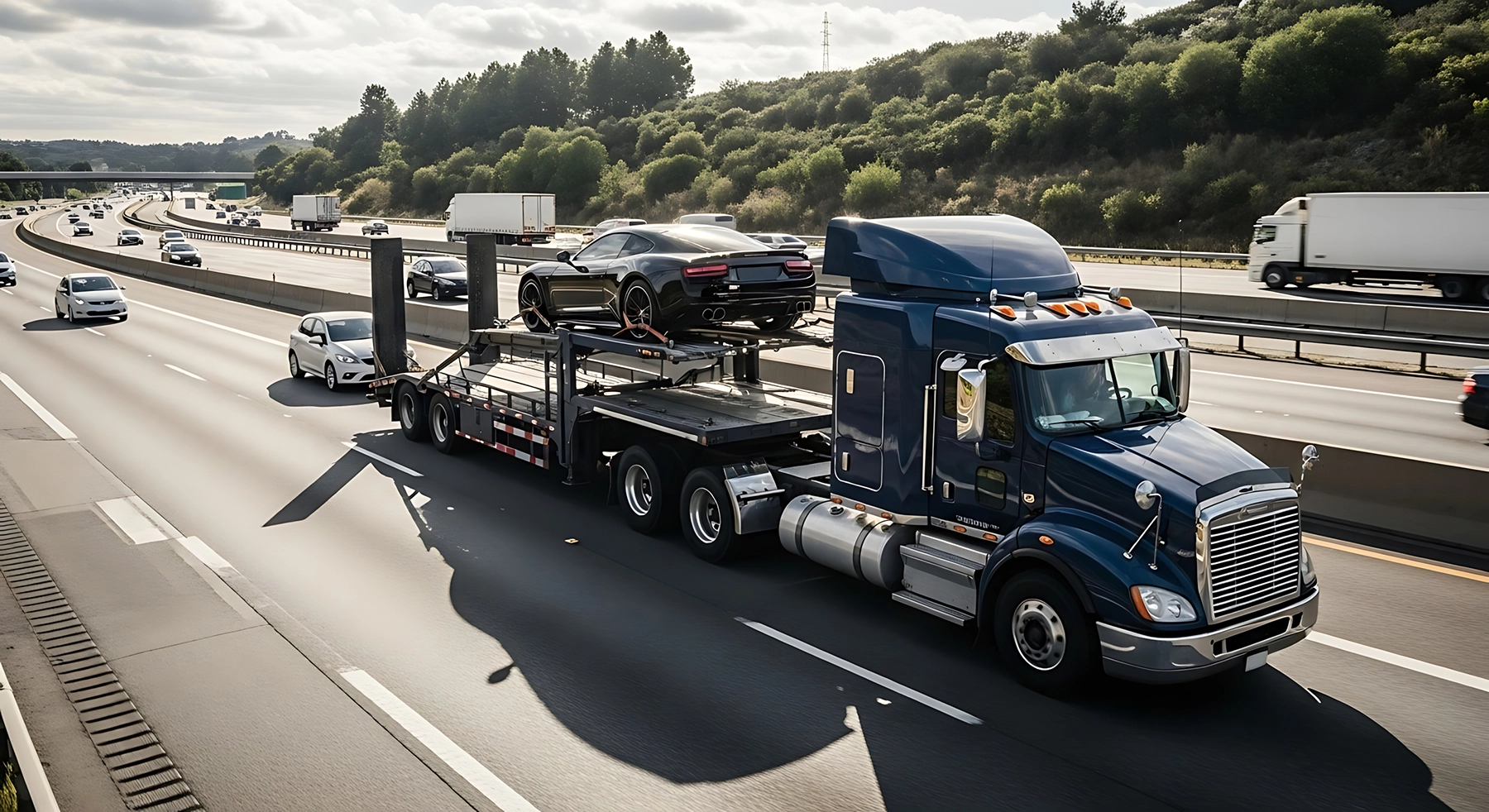
Moving from New York to California is one of the most common coast-to-coast relocations in the United States. Whether you’re relocating for work, transferring to a new university, buying a vehicle out of state, or starting a new chapter on the West Coast, getting your car there is a major part of the planning process.
Driving nearly 3,000 miles is certainly possible, but it also means several days on the road, hotel stays, fuel expenses, meals, tolls, and significant wear on your vehicle. For many people, professional auto transport offers a more convenient alternative. Many customers researching long-distance transport begin by comparing services through naviautotransport.com because this is one of the busiest shipping routes in the country.
This guide explains what you can expect to pay in 2026, how long shipping usually takes, what affects pricing, and how to choose the right carrier for a successful coast-to-coast move.
What Does It Cost to Ship a Car from New York to California?
There is no fixed nationwide price for auto transport. Quotes are based on current market conditions and several important factors.
For a standard sedan or compact SUV using open transport, typical planning ranges in 2026 include:
- New York City to Los Angeles: approximately $900–$1,400
- Buffalo to San Francisco: approximately $1,100–$1,500
- Albany to San Diego: approximately $1,000–$1,500
- Rochester to Sacramento: approximately $1,050–$1,550
- Long Island to San Jose: approximately $1,000–$1,500
These figures represent planning estimates rather than guaranteed quotes.
Larger SUVs, pickup trucks, lifted vehicles, oversized vans, heavy electric vehicles, and inoperable cars generally cost more because they require additional trailer space or specialized handling.
How Long Does Shipping Take?
New York to California is a coast-to-coast route of roughly 2,800 to 2,900 miles.
Most shipments follow a timeline similar to this:
- Carrier assignment: several days to one week
- Pickup window: one to five days
- Transit time: approximately 7–10 days
Weather, highway construction, traffic, and seasonal demand may occasionally extend delivery by a day or two.
If you’re coordinating a move, avoid planning around the earliest possible delivery date. A small scheduling buffer can prevent unnecessary stress.
Why This Route Is So Popular
New York and California generate consistent transport demand throughout the year.
Common reasons include:
- Corporate relocations
- Technology industry moves
- Entertainment industry jobs
- College and university relocations
- Military transfers
- Online vehicle purchases
- Family moves
- Seasonal relocations
Because this lane has high carrier traffic, customers generally enjoy better availability than on many less common cross-country routes.
What Factors Affect Pricing?
Several variables determine your final quote.
Distance
Although every shipment travels coast to coast, exact mileage depends on the pickup and delivery cities.
For example:
- Manhattan to Los Angeles
- Buffalo to San Diego
- Albany to Sacramento
all require different routing.
Vehicle Size
Compact sedans typically cost less than:
- Full-size SUVs
- Pickup trucks
- Cargo vans
- Heavy EVs
Larger vehicles reduce trailer capacity, increasing overall transport costs.
Pickup and Delivery Locations
Major metropolitan areas generally receive the most competitive pricing.
Popular pickup cities include:
- New York City
- Brooklyn
- Queens
- Buffalo
- Albany
- Rochester
Popular California destinations include:
- Los Angeles
- San Diego
- San Francisco
- San Jose
- Sacramento
Remote towns outside major transport corridors may increase the final price.
Seasonal Demand
Transport demand rises during:
- Spring relocation season
- Summer moving months
- College move-in periods
- Holiday travel
- Snowbird relocation periods
During peak demand, rates generally move toward the higher end of the normal pricing range.
Open vs. Enclosed Transport
Most customers choose open transport.
Open carriers are appropriate for:
- Daily-driver vehicles
- Family cars
- Sedans
- SUVs
- Pickup trucks
- Lease vehicles
Open transport remains the industry’s standard because it offers the best balance between affordability and availability.
When Should You Choose Enclosed Transport?
Enclosed transport is recommended for:
- Luxury vehicles
- Collector cars
- Classic automobiles
- Exotic vehicles
- High-value sports cars
- Custom show vehicles
Enclosed shipping generally costs 40% to 70% more than open transport because fewer vehicles fit inside each trailer and they receive additional protection.
Carrier Tips for a Smooth Shipment
Choosing the right carrier or broker is just as important as comparing prices.
Before booking:
- Verify FMCSA registration.
- Confirm cargo insurance coverage.
- Read recent customer reviews.
- Understand whether you’re working with a broker or a carrier.
- Ask about pickup and delivery windows.
- Request a written quote with all fees included.
The Federal Motor Carrier Safety Administration recommends verifying operating authority and insurance before hiring an interstate auto transport company.
A realistic quote supported by clear communication is usually a better choice than an unusually low estimate that may not attract a carrier.
Is Shipping Better Than Driving?
Driving across the country involves much more than fuel.
A realistic driving budget includes:
- Fuel
- Hotels
- Meals
- Tolls
- Oil changes
- Tire wear
- Vehicle depreciation
- Maintenance
- Several days away from work
Once these costs are added together, professional transport often becomes surprisingly competitive.
Shipping also allows you to fly directly to California while avoiding thousands of miles of wear on your vehicle.
How Far Ahead Should You Book?
For this route, booking early provides the greatest flexibility.
Recommended timelines include:
- 2–4 weeks before pickup for most shipments
- 4–6 weeks before pickup during peak summer moving season
Booking early allows transport companies to match your shipment with an existing carrier route, which often results in better pricing.
Last-minute requests may require expedited service and fewer scheduling options.
Preparing Your Vehicle
Before pickup:
- Wash the vehicle thoroughly.
- Photograph every side.
- Record any existing scratches or dents.
- Remove all personal belongings.
- Leave approximately one-quarter tank of fuel.
- Remove toll transponders.
- Check tire pressure.
- Ensure the battery is fully charged.
- Inform the company about any mechanical issues.
A properly prepared vehicle makes inspections easier and helps avoid disputes during delivery.
Understanding Door-to-Door Shipping
Door-to-door transport means the carrier delivers your vehicle as close to your address as safely and legally possible.
Large transport trucks cannot always access:
- Narrow residential streets
- Apartment complexes
- Gated communities
- Low-clearance neighborhoods
- Tight cul-de-sacs
If necessary, the driver may arrange pickup or delivery at a nearby truck-friendly location such as a shopping center or large parking lot.
This is standard practice throughout the industry.
Common Mistakes to Avoid
Avoid waiting until the final week to book.
Avoid choosing a company solely because it offers the lowest quote.
Avoid leaving valuables or important documents inside the vehicle.
Avoid skipping the vehicle inspection at pickup and delivery.
Avoid assuming an exact delivery time—auto transport operates with delivery windows rather than guaranteed appointment hours.
Final Thoughts
Shipping a vehicle from New York to California is one of the most established coast-to-coast transport routes in the United States. With strong carrier availability and frequent departures, the process is generally straightforward when planned correctly.
Request quotes several weeks in advance, compare complete pricing instead of headline numbers, verify carrier credentials, and prepare your vehicle properly before pickup. Taking these steps will help your coast-to-coast move stay on schedule while protecting both your budget and your vehicle.