
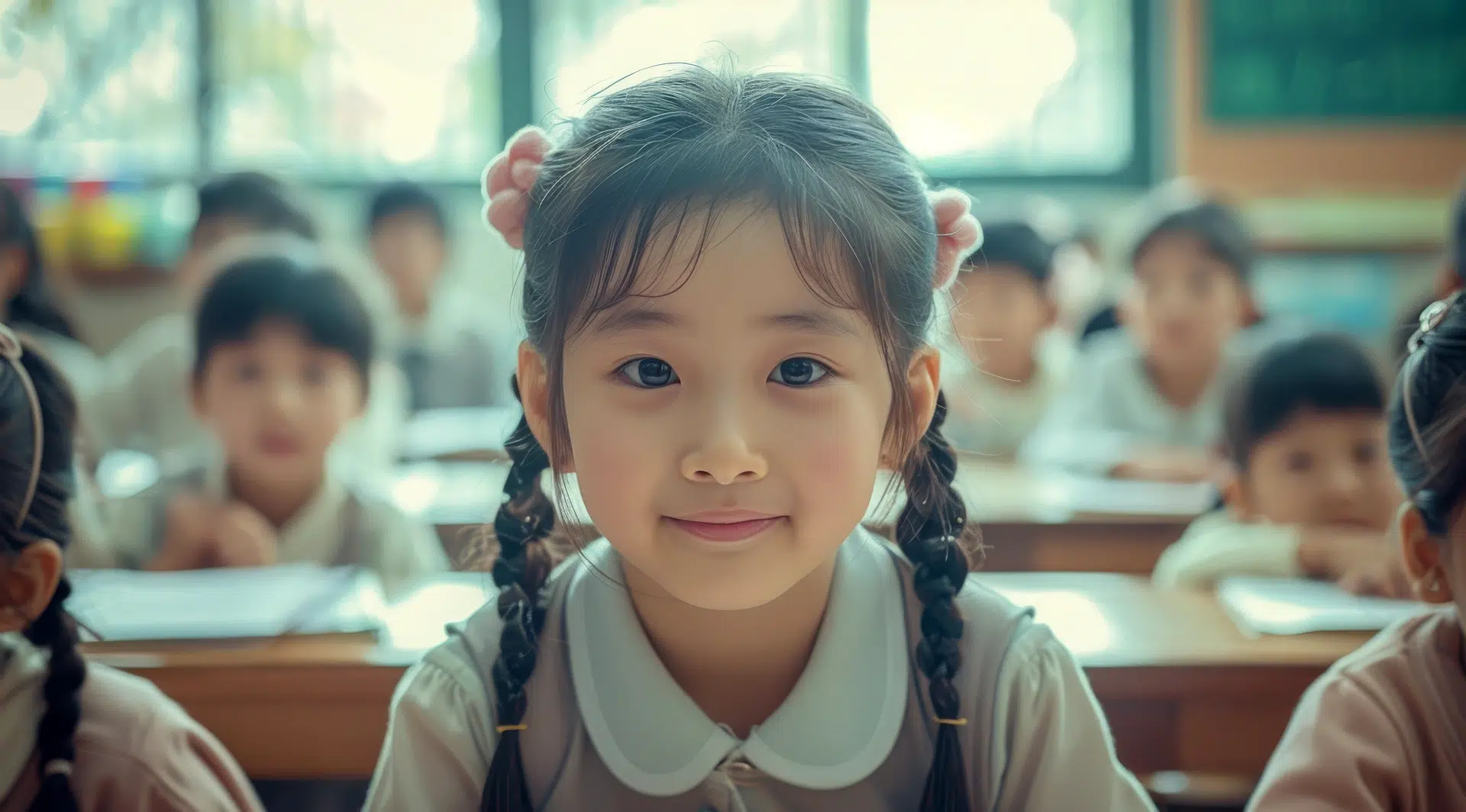
Explore how micro-schools foster agency and growth, empowering students to reach their full potential through personalized learning experiences.
The Struggle for Individual Attention in Traditional Settings
Many parents and students find themselves navigating educational systems that, while well-intentioned, often struggle to cater to the unique pace and learning style of every child. Large class sizes can make it difficult for educators to identify and address individual needs effectively. This can lead to frustration for students who grasp concepts quickly and feel unchallenged, or for those who require more time and tailored support to build confidence and understanding.
Understanding the Micro-School Model
A micro-school is a small, independent educational institution designed to provide a highly personalized learning experience. Unlike traditional schools, micro-schools typically operate with significantly smaller student populations and lower student-to-teacher ratios. This intimate setting allows educators to deeply understand each student’s strengths, challenges, and interests. The focus shifts from standardized delivery to individualized pathways, fostering a sense of agency and a robust growth mindset.
Deep Dive: Pillars of a Successful Micro-School Environment
Differentiated Learning Pathways
The core of a micro-school’s effectiveness lies in its ability to differentiate instruction. This means:
- Tailored Curriculum: Content is adapted to suit individual learning speeds and styles.
- Flexible Pacing: Students move through material at a pace that ensures mastery, not just completion.
- Interest-Based Projects: Learning is often driven by student curiosity, making subjects more engaging.
Fostering Agency and a Growth Mindset
Micro-schools actively cultivate a mindset where challenges are seen as opportunities for growth. This is achieved through:
- Encouraging Questioning: Students are empowered to ask why and how, developing critical thinking skills.
- Promoting Self-Direction: Learners are given opportunities to take ownership of their educational journey.
- Celebrating Effort and Resilience: The emphasis is on the learning process and perseverance, rather than solely on outcomes.
The Power of Small Class Sizes
The reduced student-to-teacher ratio is perhaps the most tangible benefit. It enables:
- Personalized Feedback: Teachers can provide immediate, specific, and actionable feedback.
- Deeper Relationships: Stronger bonds between students and educators foster a supportive learning community.
- Early Intervention: Potential learning difficulties or areas of struggle can be identified and addressed promptly.
Common Misconceptions About Micro-Schools
- Limited Socialization: While classes are small, many micro-schools incorporate collaborative projects and community events that foster strong social skills.
- Lack of Rigor: The personalized approach often leads to deeper understanding and mastery, which can be more rigorous than surface-level learning in larger settings.
- Exclusivity: While independent, many micro-schools are committed to accessibility and offer diverse learning opportunities.
- Not for “Average” Students: Micro-schools are beneficial for all students, helping them reach their unique potential, whether they are advanced, struggling, or somewhere in between.
Practical Takeaways for Parents and Educators
- Observe how students respond to different learning environments.
- Look for schools that emphasize a growth mindset and student agency.
- Consider the student-to-teacher ratio as a key factor in personalized attention.
- Research schools that align with your child’s specific learning needs and aspirations.
A Decision-Making Perspective
When considering educational options, it’s crucial to look beyond traditional metrics. For parents seeking an environment where their child’s unique talents are recognized and nurtured, exploring options like https://www.acadecap.org/ can offer a compelling alternative. The decision hinges on prioritizing a learning environment that actively cultivates confidence, critical thinking, and a lifelong love of learning through personalized engagement.
The Evolving Landscape of Education
As educational research continues to highlight the importance of individualized learning and student well-being, models like the micro-school are gaining traction. The future likely holds a greater integration of flexible, student-centered approaches across various educational settings, recognizing that empowering each learner is paramount to their success and the enrichment of society.


