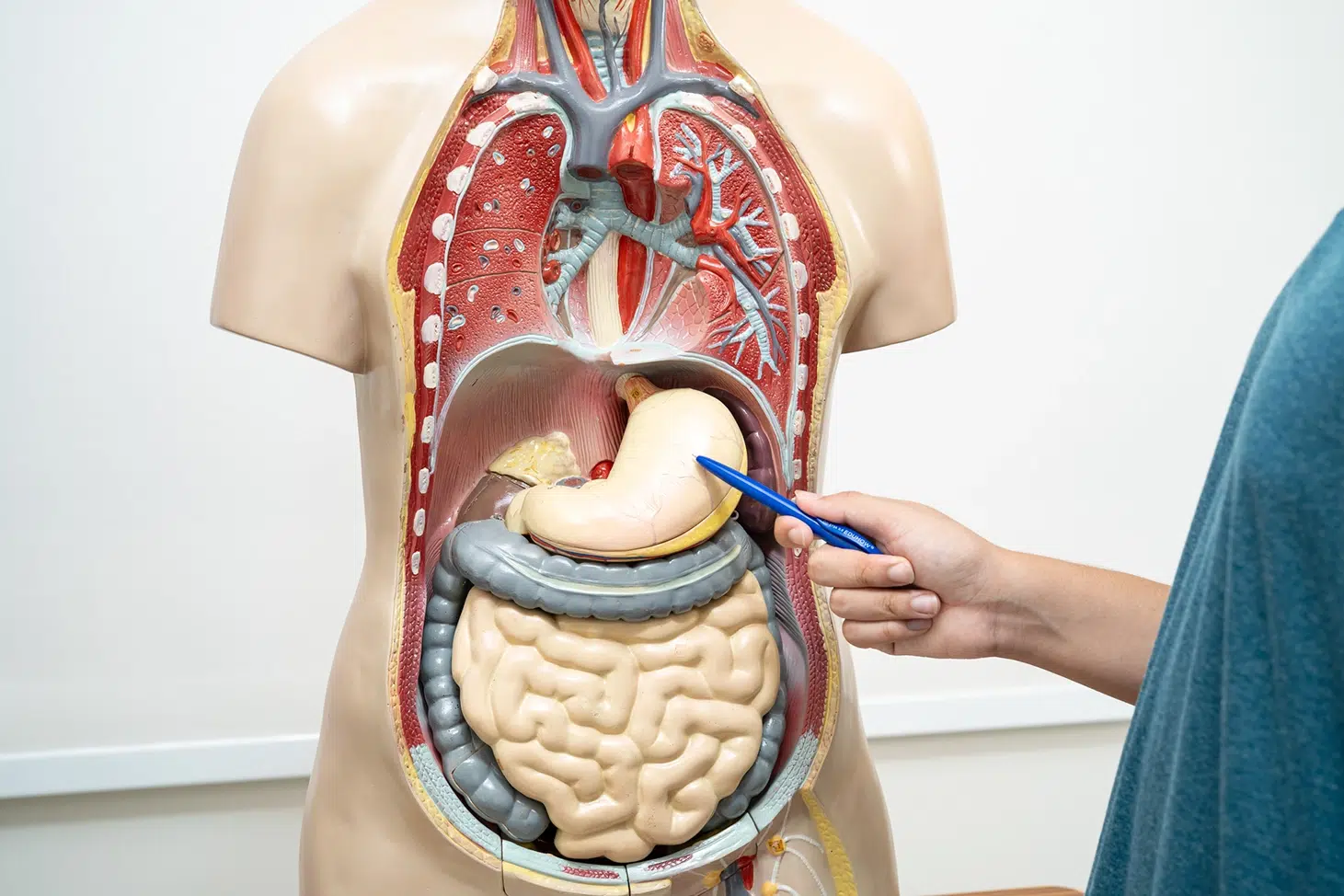
Digestive issues can significantly impact daily life, causing discomfort and worry. Many people experience symptoms like persistent heartburn, bloating, or changes in bowel habits, often unsure of the cause or where to turn for reliable help. Finding a specialist who understands the complexities of the gastrointestinal system is crucial for accurate diagnosis and effective treatment.
What is Gastroenterology and When to Seek a Specialist
Gastroenterology is the branch of medicine focused on the digestive system. This includes the esophagus, stomach, small intestine, large intestine, rectum, pancreas, gallbladder, bile ducts, and liver. A gastroenterologist is a physician with specialized training in diagnosing and treating diseases related to these organs.
You might consider consulting a gastroenterologist if you experience:
- Persistent heartburn or acid reflux
- Difficulty swallowing
- Chronic abdominal pain or bloating
- Unexplained changes in bowel habits (diarrhea or constipation)
- Blood in your stool
- Unexplained weight loss
- Nausea or vomiting
Navigating Digestive Concerns
Your journey to digestive harmony often begins with understanding the root cause of your symptoms. This involves a detailed medical history, a physical examination, and potentially diagnostic tests. The goal is to identify conditions ranging from common ailments like Irritable Bowel Syndrome (IBS) to more serious diseases such as inflammatory bowel disease (IBD), celiac disease, or even gastrointestinal cancers.
Key Diagnostic and Treatment Services
Gastroenterology clinics offer a range of services to address these concerns. These can include:
- Endoscopic Procedures: Tools like gastroscopies and colonoscopies allow direct visualization of the digestive tract, enabling the detection of abnormalities, polyps, or inflammation.
- pH Monitoring: Used to diagnose acid reflux by measuring the acidity levels in the esophagus over a period.
- Screening for Gastrointestinal Disorders: Proactive checks for conditions like gastric cancer or esophageal cancer, especially for individuals with risk factors.
- Management of Chronic Conditions: Ongoing care for diseases like Crohn’s disease, ulcerative colitis, and gastroparesis.
Understanding Specific Conditions
Awareness of common digestive diseases is empowering. Conditions such as:
- Peptic Ulcer Disease: Sores in the stomach, duodenum, or esophagus are often caused by H. pylori infection or NSAID use.
- Gastric Cancer: Malignancies originating in the stomach lining, which benefit greatly from early detection.
- Barrett’s Esophagus: A precancerous condition linked to chronic acid reflux, requiring careful monitoring.
- Gastroparesis: Delayed stomach emptying that can lead to nausea, vomiting, and poor nutrient absorption.
Common Mistakes and Misconceptions
When dealing with digestive issues, several common pitfalls can hinder effective care:
- Ignoring Persistent Symptoms: Hoping that digestive discomfort will resolve on its own without professional evaluation can delay diagnosis and treatment.
- Self-Diagnosing Based on Online Information: While research is helpful, self-diagnosing can lead to anxiety and the wrong course of action.
- Failing to Follow Doctor’s Instructions: Adhering to medication schedules, dietary recommendations, and follow-up appointments is vital for recovery.
- Not Disclosing All Symptoms: It’s important to be open with your doctor about every symptom, even those that seem minor or unrelated.
- Assuming all Stomach Pain is the Same: Different types of abdominal pain can indicate vastly different conditions, requiring specific diagnostic approaches.
Practical Takeaways for Your Digestive Health
Taking proactive steps can make a significant difference in managing your digestive well-being:
- Keep a Symptom Journal: Documenting your symptoms, including what you eat, when symptoms occur, and their severity, can provide valuable insights for your doctor.
- Adopt a Balanced Diet: Focus on whole foods, fiber, and adequate hydration. Limit processed foods, excessive sugar, and known triggers.
- Manage Stress: Stress can significantly impact digestion. Incorporate relaxation techniques like deep breathing, meditation, or light exercise.
- Stay Informed: Understand common digestive conditions and when it’s appropriate to seek medical advice.
Making the Right Decision for Your Care
When you are looking for a gastro clinic in Montreal, consider several factors. Look for clinics that emphasize a patient-centered approach, offering comprehensive diagnostic tools and treatment plans tailored to individual needs. Check for experienced specialists, read patient reviews if available, and consider the clinic’s accessibility and communication style. Your comfort and confidence in your healthcare provider are paramount.
Looking Ahead in Digestive Health
The field of gastroenterology is continually evolving with advancements in diagnostic technology and treatment options. Minimally invasive procedures are becoming more common, and a greater understanding of the gut microbiome is leading to new therapeutic approaches. Staying informed about these developments can offer hope for more effective management and treatment of digestive disorders in the future.