
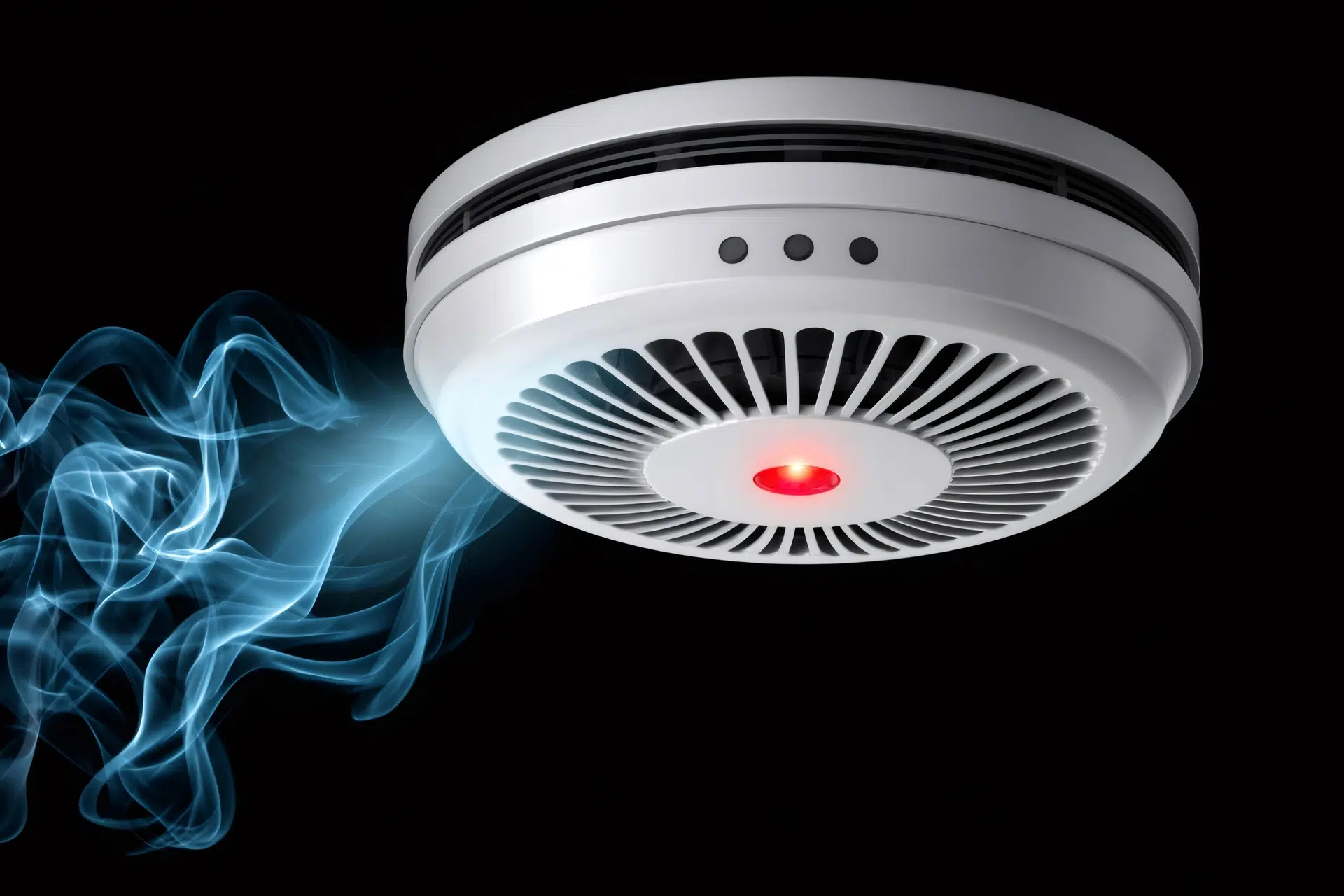
Explore the essential role of heat detectors in fire safety. Learn about their different types, how they work, and when they are the best choice for your needs.
When it comes to fire safety, smoke detectors often come to mind first. However, in certain environments, heat detectors offer a crucial layer of protection. These devices are specifically designed to respond to elevated temperatures, providing an earlier warning in situations where smoke might not be the primary indicator of a fire, or where smoke detectors might trigger false alarms. Understanding their function and application is key to effective fire prevention and response.
What Are Heat Detectors?
Heat detectors are fire detection devices that sense an increase in temperature. Unlike smoke detectors, which rely on detecting smoke particles in the air, heat detectors trigger an alarm when the ambient temperature reaches a predetermined threshold or rises at an unusually rapid rate. This makes them particularly useful in environments where smoke is common, such as kitchens, garages, or industrial settings.
Types of Heat Detectors
There are two primary types of heat detectors, each with a distinct operating principle:
- Fixed Temperature Detectors: These detectors activate when the temperature in their vicinity reaches a specific, preset point. For example, a 135°F (57°C) fixed temperature detector will alarm when the air reaches that temperature. They are reliable and less prone to false alarms caused by minor temperature fluctuations.
- Rate-of-Rise Detectors: These detectors trigger an alarm when the temperature increases rapidly over a short period, regardless of the actual temperature. For instance, a sudden temperature increase of 15°F (8°C) per minute would activate a rate-of-rise detector. They are often combined with a fixed temperature element to provide a dual-action response, offering faster detection in rapidly developing fires.
How Do They Work?
The internal mechanisms of heat detectors vary based on their type. Fixed temperature detectors often use a bimetallic strip or a fusible link. When the temperature reaches the set point, the bimetallic strip bends, closing an electrical circuit and triggering the alarm. A fusible link melts at a specific temperature, also completing the circuit. Rate-of-rise detectors typically use a small, sealed chamber with a diaphragm. As the temperature rises quickly, the air inside the chamber expands, pushing the diaphragm and activating the alarm.
Where Are Heat Detectors Best Suited?
While smoke detectors are ideal for living spaces, heat detectors excel in specific conditions:
- Kitchens: Steam from cooking, aerosols, and cooking fumes can easily trigger smoke detectors. Heat detectors are a better choice here as they are less sensitive to these nuisances.
- Garages and Workshops: These areas may contain dust, fumes, or other airborne particles that could cause false alarms in smoke detectors.
- Attics and Unheated Areas: Extreme temperature fluctuations due to weather can be an issue for smoke detectors. Heat detectors are more resilient in these environments.
- Industrial Settings: Areas with high levels of dust, steam, or combustion byproducts benefit from the more robust nature of heat detectors.
- Areas with High Humidity: Similar to kitchens, areas with high humidity can lead to false alarms with smoke detectors.
Common Mistakes and Misconceptions
- Using heat detectors as a sole fire detection solution: Heat detectors are not a replacement for smoke detectors in living areas. They complement, rather than substitute, smoke detection.
- Incorrect placement: Like smoke detectors, heat detectors need proper placement to function effectively. They should not be installed near heat sources like vents or direct sunlight.
- Assuming all heat detectors are the same: The distinction between fixed temperature and rate-of-rise is significant and impacts their suitability for different scenarios.
- Ignoring maintenance: Regular testing and cleaning are vital for all fire detection devices, including heat detectors.
- Confusing them with carbon monoxide detectors: These are entirely different safety devices with distinct purposes.
Practical Takeaways for Installation
When considering fire detection solutions, it’s beneficial to learn about heat detectors. Here are a few practical points to remember:
- Assess the environment: Determine if smoke or rapid temperature changes are more likely indicators of a fire.
- Consult local codes: Fire safety regulations may dictate the types of detectors required in specific areas.
- Consider combination detectors: Some modern detectors offer both smoke and heat sensing capabilities for enhanced protection.
- Ensure proper wiring and power supply: Follow manufacturer instructions for reliable operation.
A Decision-Making Perspective
From a practical standpoint, the decision between smoke and heat detectors often comes down to balancing sensitivity with the risk of false alarms. In sleeping areas and general living spaces, smoke detectors are the standard due to their ability to detect smoldering fires early. However, in areas where smoke is a common byproduct of normal operations or where rapid temperature increases are more indicative of a fire hazard, heat detectors become the more appropriate and reliable choice. Choosing the right detector prevents unnecessary disruptions while ensuring timely alerts when a real fire threat emerges.
Looking Ahead: Evolving Detection Technologies
The field of fire detection is continually advancing. While traditional heat and smoke detectors remain essential, newer technologies are emerging. Multi-criteria detectors, for example, combine smoke, heat, and sometimes even flame sensing capabilities to provide more sophisticated and accurate fire detection. Intelligent systems are also becoming more prevalent, offering features like self-diagnostics and advanced communication protocols. Understanding the foundational principles of devices like heat detectors provides a strong basis for appreciating these future innovations.


