If you’re planning a construction, renovation, or building maintenance project in New York City, one of the first questions you’ll ask is: how much does scaffolding rental cost? Understanding rental rates for scaffolding upfront helps you budget accurately, avoid surprise charges, and choose the right provider for your specific job.
This guide breaks down everything you need to know about scaffolding rental pricing — from the key factors that drive costs to what you can realistically expect to pay in the New York City market. We’ll also introduce you to Best Sidewalk Shed & Scaffolding, a trusted Brooklyn-based provider offering competitive, transparent rental rates for scaffolding jobs of all sizes.
Why Scaffolding Rental Rates Vary So Much
One of the first things you’ll notice when shopping for scaffolding rental is that quotes can vary significantly from one company to the next — and even from one project to the next with the same company. That’s because scaffolding pricing isn’t one-size-fits-all. It’s determined by a combination of project-specific variables, local market conditions, and the scope of services required.
Understanding what drives those numbers is the first step to getting a fair price and making sure you’re comparing quotes on an equal footing.
Key Factors That Affect Rental Rates for Scaffolding
1. Type of Scaffolding
There are several different types of scaffolding systems, and each comes at a different price point:
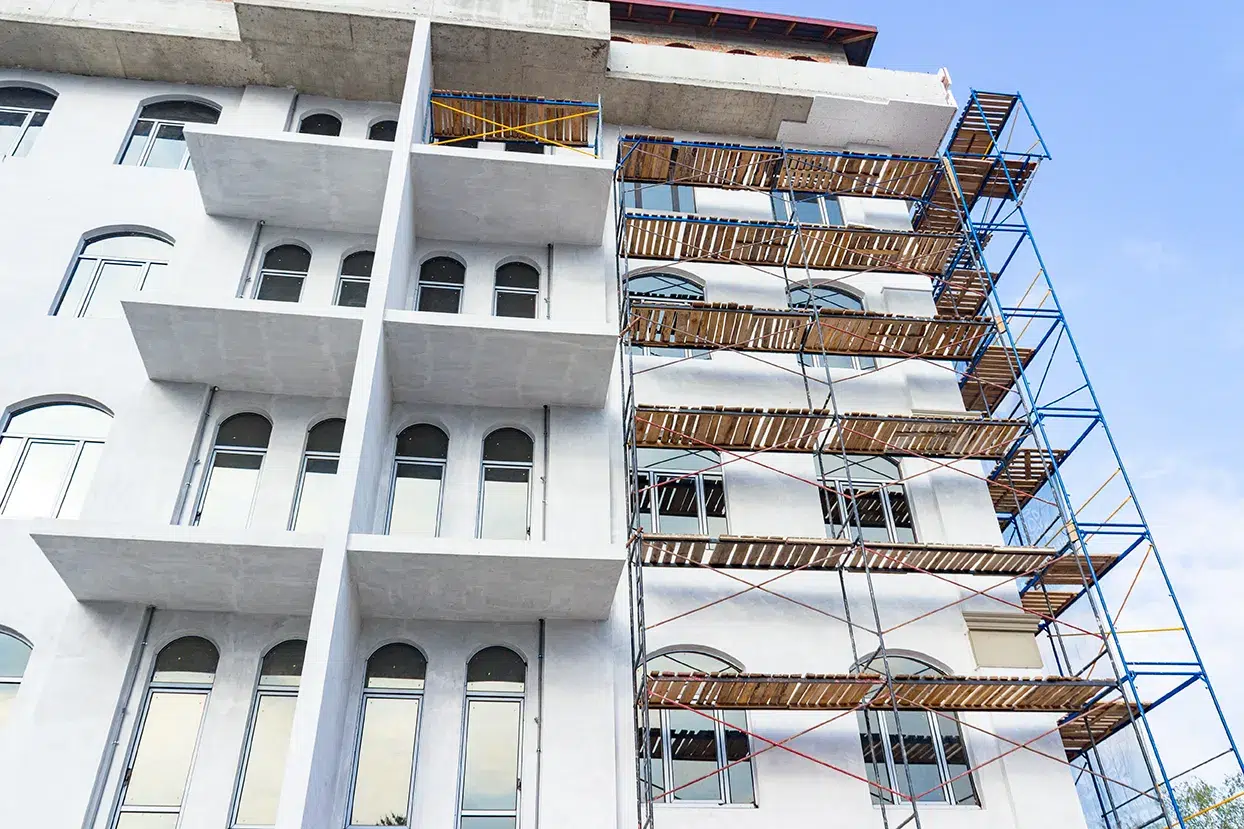
Supported (Frame) Scaffolding is the most common type used in residential and mid-rise commercial projects. It’s erected from the ground up using steel or aluminum frames and is generally the most affordable option.
Suspended Scaffolding hangs from the roof or upper structure of a building using cables or ropes. It’s used for high-rise facade work and window cleaning and typically costs more due to the complexity of installation.
Sidewalk Sheds are required by NYC law when construction or repair work is being carried out adjacent to a public sidewalk. These are a staple of New York City construction and have their own distinct pricing structure based on length and height.
Rolling (Mobile) Scaffolding is a freestanding, wheeled system used for interior jobs or low-level exterior work. It’s usually the most affordable short-term option.
Cantilever and System Scaffolding are used for more complex architectural environments where standard frames can’t be deployed. These are priced on a project-by-project basis.
2. Project Height and Size
The higher and larger the scaffold, the more materials, labor, and engineering are required — and the higher the cost. A two-story residential facade job will cost considerably less than a ten-story commercial building. Most rental companies price scaffolding by linear foot or square foot of coverage, so knowing your project dimensions before requesting a quote is essential.
3. Rental Duration
Scaffolding rental is typically priced by the week or month. Short-term rentals (under two weeks) may carry a premium day rate, while longer projects often benefit from reduced monthly rates. If your timeline extends beyond the original estimate, most companies will adjust the rental period — but it’s important to clarify extension policies and costs upfront.
4. Installation and Removal Labor
Material rental and labor are usually priced separately. The cost of erecting and dismantling scaffolding can represent a significant portion of your total bill, particularly for large or complex structures. Make sure any quote you receive clearly itemizes labor and equipment costs so you can compare providers accurately.
5. Permitting and Compliance Costs
In New York City, any scaffolding that extends over a public sidewalk requires a permit from the NYC Department of Buildings. Permit filing fees, engineering drawings, and inspection costs are often passed on to the client. Some companies bundle these into their pricing; others bill them separately. Always ask upfront.
6. Location and Site Conditions
Urban environments like New York City present logistical challenges — limited street access, congested neighborhoods, narrow sidewalks, and strict delivery windows — that can affect labor time and therefore cost. Projects in high-traffic areas or buildings with difficult access may carry a site surcharge.
7. Additional Equipment and Services
Debris netting, toe boards, plank covers, overhead protection, and lighting are all add-ons that may be needed depending on your project and local regulations. These are typically priced separately, so factor them into your overall budget.
Typical Scaffolding Rental Rates in New York City
While exact pricing depends on all the factors above, here’s a general framework to help you set expectations for the NYC market:
Sidewalk Sheds: Pricing is generally calculated per linear foot per month. For a standard NYC sidewalk shed, you can expect costs to range from approximately $15 to $35 per linear foot per month, depending on height requirements and site conditions, with installation and removal billed additionally.
Supported Frame Scaffolding: For low-to-mid-rise residential work, weekly rental rates per section (typically 5 feet wide by 6 feet tall) can range from $15 to $50, with full-project quotes varying widely based on coverage area and duration.
Suspended Scaffolding: High-rise systems are typically quoted on a project basis, with daily or weekly rates that reflect the complexity of setup and the specialized equipment involved.
Interior/Rolling Scaffolding: These are the most affordable option, with daily rates starting around $50 to $150 for basic units, making them well-suited for short interior jobs.
These figures are general benchmarks. Always request a detailed, written quote from your provider before committing to any rental agreement.
How to Get the Best Value on Scaffolding Rental
Getting a competitive rate isn’t just about finding the lowest price — it’s about getting the best value for your money. Here are a few practical tips:
Get at least three quotes. Pricing can vary significantly between providers. Multiple quotes also give you negotiating leverage and a clearer sense of market rates.
Be specific about your project scope. Vague project descriptions lead to vague quotes. The more precise you can be about dimensions, height, duration, and access conditions, the more accurate your estimate will be.
Ask what’s included. Make sure you know exactly what’s covered — materials, delivery, installation, removal, permitting, inspections, and any add-ons.
Check for hidden fees. Ask about charges for permit amendments, rental extensions, after-hours delivery, or damage deposits.
Prioritize licensed, insured providers. The cheapest quote is worthless if the scaffolding isn’t up to code or the company isn’t insured. In New York City, working with an unlicensed provider can expose you to serious legal and financial risk.
Plan your timeline carefully. Extending a rental unexpectedly is costly. Build buffer time into your schedule to avoid rush fees or project delays.
Best Sidewalk Shed & Scaffolding: Competitive Rates, Professional Service
When it comes to getting fair, transparent rental rates for scaffolding in Brooklyn and across New York City, Best Sidewalk Shed & Scaffolding stands out as a provider that contractors and property owners trust.
Based at 8808 Foster Ave, Brooklyn, NY 11236, the company brings years of hands-on experience across every type of scaffolding project the New York market demands. Their team is well-versed in NYC DOB regulations, sidewalk shed permitting, and the logistical realities of working in one of the world’s most complex urban environments.
What sets them apart in pricing is their commitment to transparency. You won’t find vague estimates or unexpected add-ons on your final invoice. They provide clear, itemized quotes that account for materials, labor, permitting, and any project-specific requirements — so you know exactly what you’re paying for before work begins.
Whether you need a sidewalk shed for a facade inspection, supported scaffolding for a multi-story renovation, or a rolling system for an interior ceiling project, Best Sidewalk Shed & Scaffolding has the equipment, expertise, and competitive pricing to get your job done right.
To request a quote or discuss your project requirements, call them today at +1 718-256-2828. Their team is ready to walk you through your options and provide a pricing estimate tailored to your specific scope of work.
Questions to Ask Before Signing a Scaffolding Rental Agreement
Before you commit to any scaffolding rental contract, make sure you have clear answers to the following:
- Are installation and removal included in the quoted price?
- Who is responsible for permit applications and associated fees?
- What happens if the project runs longer than expected?
- Is the equipment inspected and certified before delivery?
- What is the provider’s liability coverage in case of an accident or structural failure?
- Are there charges for site conditions like limited access or after-hours work?
A reputable company will answer these questions clearly and in writing. If a provider is evasive or vague, that’s a red flag worth taking seriously.
Final Thoughts
Rental rates for scaffolding in New York City reflect the complexity, safety requirements, and logistical demands of one of the most challenging construction environments in the world. Pricing is driven by project type, size, duration, location, and the range of services included — and the difference between a good deal and a bad one often comes down to how well you’ve scoped your project and how carefully you’ve vetted your provider.
For professional, competitively priced scaffolding rental in Brooklyn and across New York City, reach out to Best Sidewalk Shed & Scaffolding at +1 718-256-2828, or visit them at 8808 Foster Ave, Brooklyn, NY 11236. With transparent pricing and a commitment to quality, they’re the partner you want on your next project.