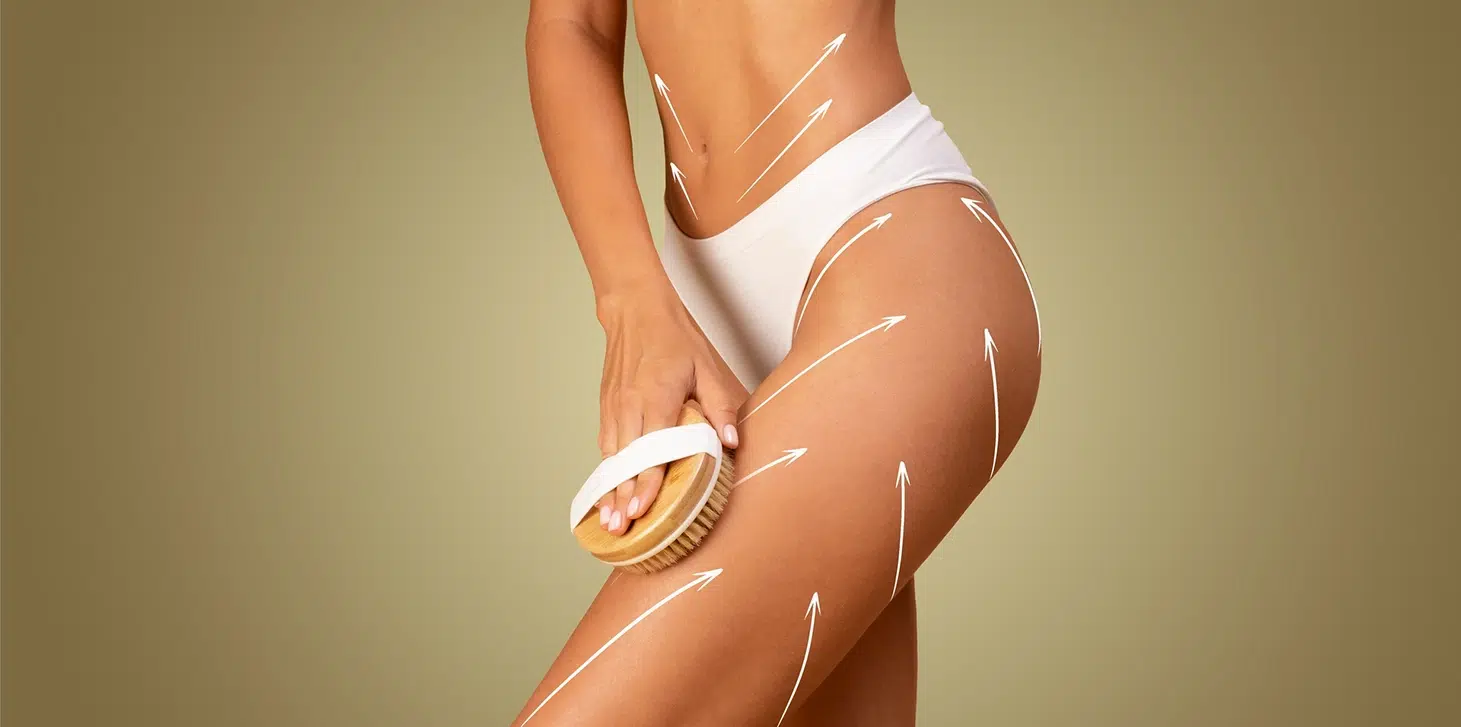
For many people, keeping the skin firm and smooth on all body parts is a big goal. When years pass by, many normal things like getting older, weight going up and down, sun damage, and natural changes in body tissues start showing on our skin. Two very common issues that people notice most are loose skin in some places and that uneven, bumpy texture we call cellulite.
These changes are completely normal for the human body, but when you understand how tissues work under the surface, choosing treatments that really work becomes much easier. No matter if you like simple home habits, special creams, or clinic treatments like those reviewed by health platforms such as Purifi IV Nashville, fixing loose skin always depends on how collagen, elastin, and fat layers work together underneath.
1. The Science Behind Skin Laxity and Dimpling
If you want to fix skin firmness in a proper way, first you must look at what happens under the top layer of skin (which scientists call the epidermis). How smooth or firm your skin looks depends mainly on three things: collagen proteins, elastin fibers, and the way fat is arranged underneath.
How Collagen and Elastin Break Down Over Time
Collagen is the thing that gives strength to skin structure, and elastin allows it to stretch and come back to place again. Starting from the early twenties, the human body naturally makes around 1% less collagen every single year. Exposure to sun makes this whole process go much faster because of photoaging, so fibers break down quicker than your body can rebuild them. When this inner support becomes weak, skin turns thin and loses bounce, which causes visible sagging on places like thighs, stomach, and upper arms.
What Really Causes Cellulite to Appear?
Cellulite is not just an issue of having extra fat on the body; really it is about how fat and connective tissue are set up inside. Strong vertical bands of connective tissue—named septa—pull the outer skin down toward the muscle layer underneath.
When fat cells push upward against the dermis layer while these fibrous bands are pulling downward at same time, you get that dimpled pattern on top. Because female connective tissue is built in vertical columns like this, up to 90% of women get cellulite during their life.
2. Daily Habits That Support Natural Skin Firmness
Creams for skin and lifestyle changes cannot change your genetics, but having solid daily habits gives your skin tissue the best condition to stay strong.
Food and Hydration Support
- Protein: Getting amino acids from lean meats, fish, eggs, and beans gives your body the basic materials it needs for making collagen.
- Vitamin C: This vitamin is very important because it helps start collagen production in the body. Adding citrus fruits, peppers, and green vegetables to your meals supports tissue repair.
- Hydration: When a person is dehydrated continuously, skin looks flat and loses elasticity. Drinking enough water keeps cells full, which helps skin hold a plump look.
Targeted Strength Training
Cardio burns calories, but lifting weights actually builds the muscle layer under the skin. When muscle grows bigger, it fills the space right under the fat layer and creates a firmer base. Exercises like squats, lunges, deadlifts, and core movements help to make the shape of legs, glutes, and waist smoother from inside out.
3. Creams and Active Ingredients
Many creams in stores promise to remove dimples very fast, but checking ingredients with scientific knowledge helps to keep realistic expectations.
Retinoids for Dermis Building
Topical retinoids (derivatives of vitamin A) are among the few store ingredients that research actually supports for skin structure. Using them regularly stimulates fibroblast cells, which helps cell turnover and mild collagen production. Over time, a thicker dermis layer helps to hide the fat deposits underneath so they show less.
Caffeine and Plant Extracts
Companies add caffeine often to firming creams because it tightens blood vessels temporarily and removes mild fluid buildup. Because it draws excess water out from top skin layers for a short period, it can smooth surface dimples for a little while. However, these effects go away quickly and you need daily application to keep them.
4. Modern Clinical Non-Invasive Options
When lifestyle changes and skin creams stop showing results, non-invasive clinic treatments can target deeper structures without needing long recovery like surgery.
Radiofrequency (RF) Treatments
Radiofrequency devices send controlled heat deep into the dermal layers. Heating the tissue to exact temperatures makes current collagen fibers contract immediately, and also it starts the body’s natural healing to produce fresh collagen over the following weeks. This heat action helps to tighten loose skin and improves springiness.
Multi-Technology Systems
Modern clinic machines frequently combine radiofrequency together with diode lasers or mechanical vacuum massagers. Laser energy uses heat for targeting fat pockets, while mechanical rollers stretch out the stiff fibrous bands that pull the skin down. To get the best structural results from these treatments, doctors often combine outside tissue remodeling with targeted wellness solutions. This combined approach deals with surface looseness and deep dimpling at the exact same time.
Quick Summary for Better Skin Texture
If you want to build a simple and effective plan for smoother skin, follow this checklist:
- Daily Sun Protection: Put broad-spectrum sunscreen on exposed skin areas so you protect collagen from UV breakdown.
- Targeted Nutrition: Keep protein and vitamin C intake high while drinking enough water so your body has materials for repair.
- Strength Training: Lift weights 2 or 3 times every week so you build supportive muscle under the skin.
- Consistent Skincare & Treatments: Use retinoids continuously for long-term dermal support, and check radiofrequency treatments if you need deeper structural tightening.
When you combine everyday preventive care with proven structural treatments, you have the best chance to manage skin elasticity and keep a smooth body contour over time.