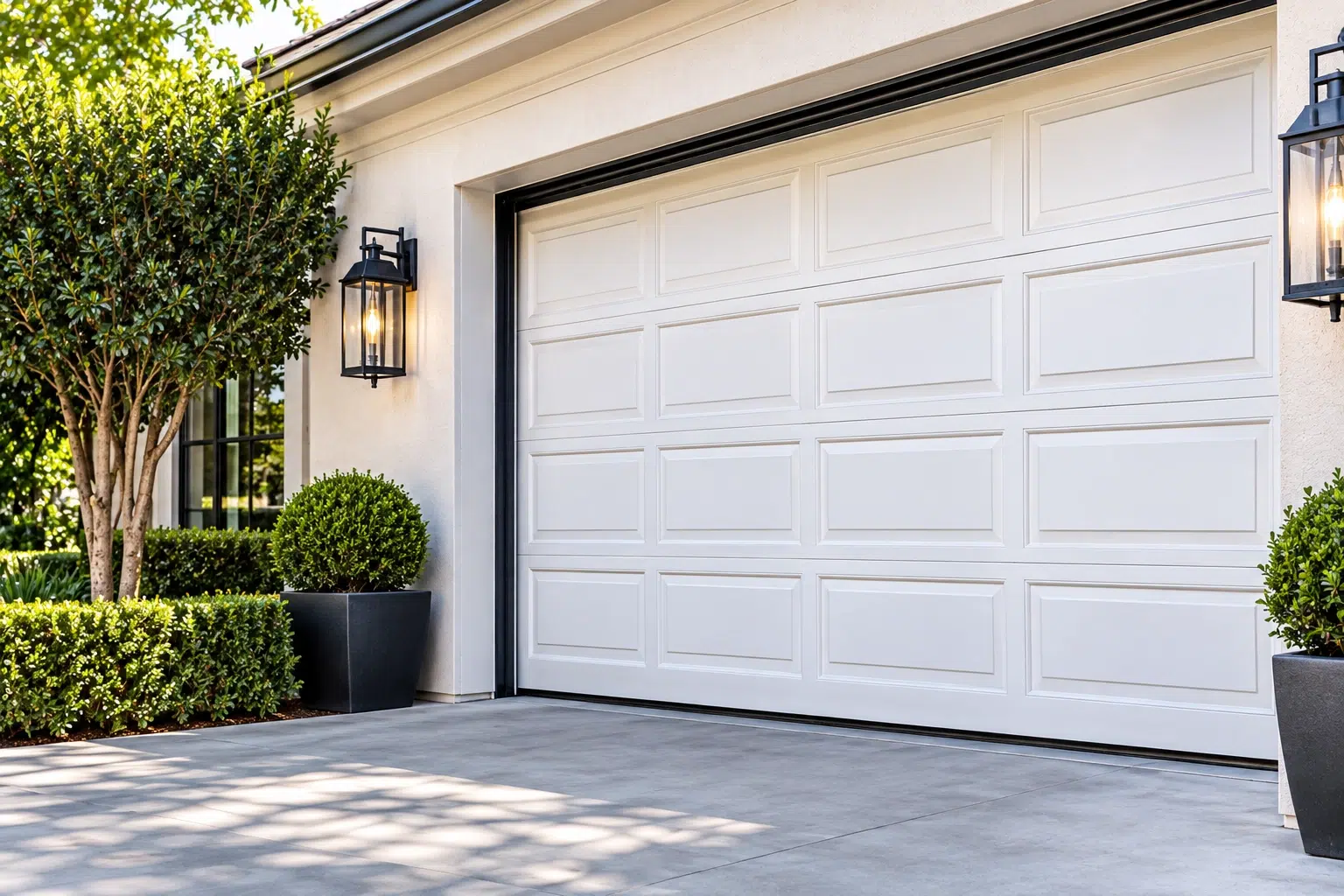
Your garage door works hard every single day without a single complaint from you. Small warning signs often slip past your attention until a major breakdown stops your routine entirely.
You rush out the door every morning, pressing the remote button and trusting that heavy steel panel will lift smoothly. Life moves fast, and routine household chores often push behind-the-scenes mechanics to the very bottom of your priority list. Recognizing minor neglect before it escalates protects your wallet and keeps your daily schedule running without frustrating delays. Understanding what your system tries to tell you makes all the difference.
Why Strange Noises Deserve Your Immediate Attention
Grinding sounds or sharp squeaks usually mean moving parts lack proper lubrication. You hear these echoes bounce off the garage walls, yet you dismiss them as normal aging symptoms. Ignoring these auditory cues places extra strain on the metal rollers and tracks. Friction builds rapidly every time the heavy panels glide up and down.
Applying a silicone-based lubricant stops unnecessary wear and quiets the machinery almost instantly. Taking ten minutes today saves you from an expensive emergency call later. Metal components require regular care to handle the daily friction of opening and closing cycles. Listening closely to your garage door helps you catch bearing wear long before a total mechanical failure strands your car inside the garage.
How Slow Response Times Signal Hidden Trouble
Delay issues happen when electronic signals or mechanical parts struggle to communicate. Finding trusted garage door repair near you ensures your system responds instantly when you need it most. Electrical interference or worn transmitter batteries often cause these sluggish movements.
Power surges or sensor misalignments also drag down the operating speed. Clearing debris from the safety sensors restores normal function quickly. Testing your wall switch helps pinpoint whether the problem stems from the remote or the main motor unit. Sluggish response times often precede complete opener failure, making prompt checks vital for your daily convenience.
What Sagging Panels Reveal About Balance Issues
Uneven movement points directly toward a failing tension spring or cable imbalance. You notice one side dropping lower than the other during operation. This imbalance forces the motor to work twice as hard to lift the weight. Balanced doors glide evenly along the tracks without straining components.
Testing balance requires disconnecting the automatic opener and lifting the door manually. It should stay comfortably in place halfway up the track. Letting spring tension remain uneven invites sudden snaps and costly property damage. Regular balance tests protect your motor from burnout and keep your family safe during operation.
When Rust and Corrosion Weaken Metal Components
Moisture attacks metal springs, hinges, and tracks during damp seasons. Reddish-brown patches spread quietly across your hardware if you skip seasonal cleaning. Rust weakens structural integrity, increasing the risk of sudden snaps. Stiff hinges drag against the rollers, creating friction and loud popping noises.
Brushing away light rust and applying protective coatings extends the lifespan of your setup. Protecting your investment takes minimal effort throughout the year. Checking corners and lower panel joints catches rust before it spreads deep into the steel. Winter condensation and spring rain accelerate corrosion if you ignore protective maintenance routines.
Why Higher Energy Bills Point to Gap Problems
Drafts creeping under your garage door indicate worn-out bottom weatherstripping. Gaps let cold winter air and summer heat leak directly into your attached garage space. Energy bills climb steadily when conditioned air escapes through deteriorated rubber seals. Replacing old weatherstripping locks in indoor comfort and lowers utility costs.
Inspecting the perimeter seals takes just a few minutes with a simple flashlight check. Light shining through the sides means replacement time has arrived. Sealing these gaps also blocks pests and moisture from entering your home. Garage insulation relies heavily on intact perimeter seals to maintain stable indoor temperatures.
How Flashing Sensor Lights Indicate Safety Risks
Modern garage doors rely on electronic photo-eye sensors to prevent accidents. Blinking indicator lights warn you that dirt or misalignment blocks the invisible beam. Ignoring these blinking signals disables the crucial safety reversal feature.
Children and pets face serious hazards if the door closes on an obstacle. Wiping the sensor lenses with a soft cloth clears away dust and spiderwebs. Tightening the mounting brackets keeps the beams aligned permanently. Photo-eyes require a clear line of sight to operate safely every time you press your wall button.
- Clean lenses: Wipe dust off
- Tighten brackets: Secure loose screws
- Align beams: Match indicator lights
What Shaking Tracks Mean for Structural Stability
Vibrations shake the mounting brackets loose every time the door cycles. Loose tracks wobble visibly and threaten to derail the heavy rollers. Tightening nuts and bolts restores firm structural support to the entire assembly. Neglecting loose hardware eventually causes the panels to jam midway.
Loose tracks also create loud rattling noises that echo through your living spaces whenever the door moves. Secure track alignment ensures smooth and quiet vertical travel for years.
- Check bolts: Tighten loose nuts
- Inspect rollers: Replace worn wheels
- Lubricate hinges: Apply silicone spray
Why Track Obstructions Cause Unexpected Reversals
Small bits of dirt, tiny rocks, and dry leaves can fall right into your metal tracks. When this trash piles up, your garage door gets confused. It might start to go down, but then it stops and goes right back up. This sudden change can surprise you. You push the button to close it, but the door refuses to stay shut.
Wind blows leaves inside every day. Small stones drop off your car tires. They sit right where the wheels roll. If you do not sweep them out, the door hits the pile. The safety sensors think something is in the way.
You can stop this problem very easily. Grab a broom and sweep the tracks out each month. Look closely inside the metal channels. Pick out any big pieces of wood or trash.
Keeping the tracks clean does a lot of good work. It stops the door from reversing when nothing is there. It keeps the motor safe from hard work. Your door will move up and down with no trouble at all.
Wrapping Up Your Maintenance Routine
Small maintenance steps protect your home and prevent costly emergency repairs. Staying proactive keeps your heavy entry points functioning smoothly for years.
Looking for more tips and ideas? We’ve got you covered. Check out some of our other posts now.