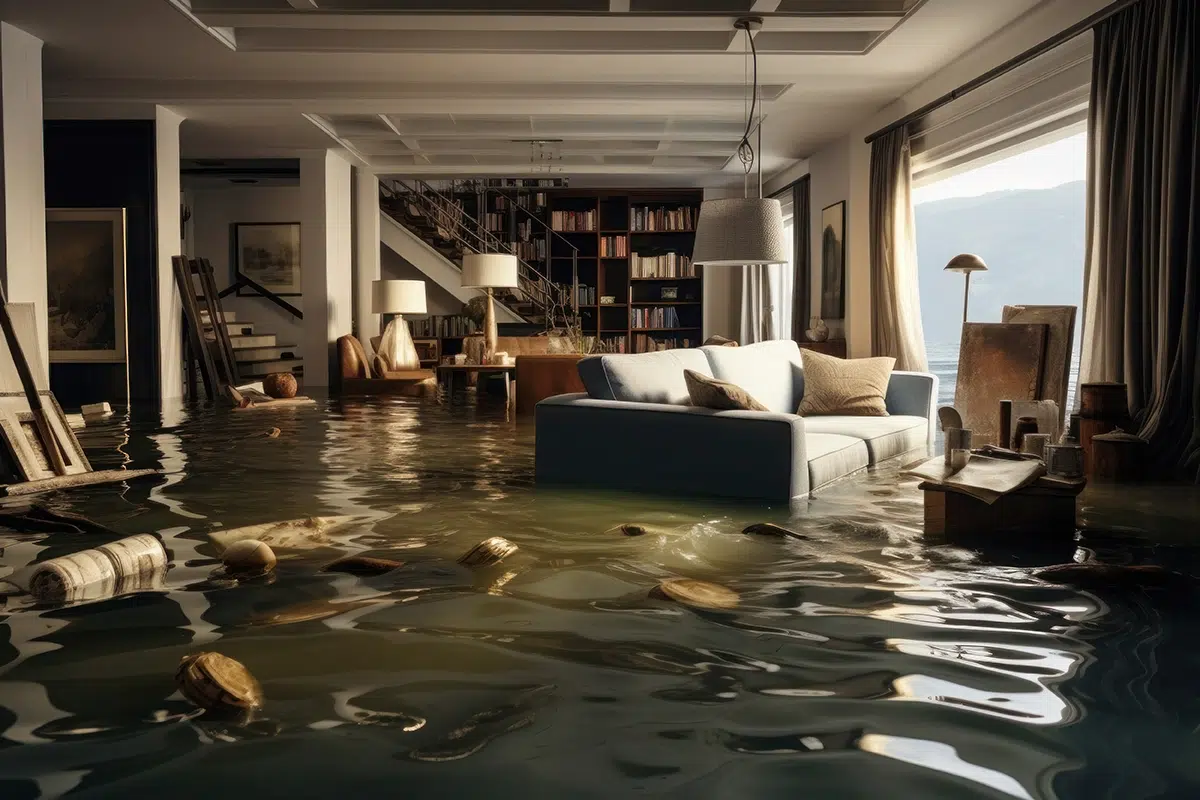
Water damage has a sneaky way of turning a calm day at home into a soggy headache. One small leak can lead to warped floors, musty smells, and a growing to-do list that nobody asked for. The good news is that you can take smart steps right away and make better choices during cleanup. When you know what to look for, what to save, and when to call in help, your home can bounce back without feeling like a giant science experiment gone wrong.
Act fast
The first few hours matter most. If it’s safe, shut off the water source and unplug electronics near the wet area. You don’t want your lamp taking a surprise swim. Move rugs, books, and small furniture out of the mess so they have a better chance of drying.
This is also the time to think about professional help. If water has spread into flooring, walls, or more than one room, home restoration experts can handle cleanup, drying, and repairs before bigger issues start brewing. That matters even more after a burst pipe, appliance leak, or storm-related flooding.
Take photos before you toss or move too much. Those pictures can help with insurance claims later. Open windows if the weather allows, set up fans, and blot standing water with towels. Think of it like damage control with a mop and a little common sense.
Spot hidden moisture
Just because the floor feels dry doesn’t mean the problem is over. Water loves to hide in places you can’t easily see. It can slip behind baseboards, sink into drywall, settle under laminate flooring, and hang around inside cabinets like an unwanted guest.
Pay attention to clues. A musty smell is one of the biggest red flags. You might also notice bubbling paint, soft spots in the wall, warped wood, or stains that seem to grow even after the leak stops. These signs often mean moisture is trapped deeper inside.
Bathrooms, laundry rooms, kitchens, and basements are common trouble spots because they have pipes, humidity, and lots of little corners where water can linger. If a room feels damp for days, trust that feeling. Your nose and your eyes can tell you a lot.
The tricky part is timing. Hidden moisture can slowly damage materials long after the obvious puddle is gone. That’s why checking carefully early on can save you from expensive repairs later.
Save what matters
When water hits your stuff, it helps to sort quickly instead of trying to save everything at once. Start with items that matter most or can be damaged fast, like family photos, important papers, laptops, and sentimental pieces. If you can move them to a dry room right away, do it.
Some things can often be cleaned and dried if you act quickly. Hard furniture, metal items, washable fabrics, and certain rugs may recover well. Upholstered furniture is a little trickier because padding holds moisture deep inside. It may look fine on the outside while the inside is doing its own swamp impression.
Paper items are fragile but not always hopeless. Spread documents out to air dry, and place wax paper between photo prints if they’re stuck together. Don’t rip them apart while wet. That usually ends in heartbreak.
Be realistic too. Ceiling tiles, soaked insulation, swollen particleboard, and badly contaminated items often need to go. If something smells sour even after drying, that’s your clue. Saving what matters is smart. Saving everything can turn into clutter with a mildew side quest.
Prevent mold trouble
Mold can start growing fast, sometimes within a day or two, which is rude but true. It thrives in damp, dark spaces, so your goal is to dry everything as completely and quickly as possible. The less moisture hanging around, the less chance mold has to settle in.
Use fans to keep air moving and run a dehumidifier if you have one. Open closet doors, vanity cabinets, and interior doors so trapped moisture can escape. Pull damp cushions apart and lift rugs off the floor if possible. Airflow is your best friend here.
Keep an eye on places people forget, like under sinks, behind furniture, and inside storage bins. If you see small surface spots on a non-porous area, cleaning may help. But if mold covers a large area or keeps coming back, the issue is usually deeper than a wipe-down can fix.
That’s when DIY stops being brave and starts being stubborn. If the smell is strong, the damage is widespread, or anyone in your home has allergies or breathing issues, get expert help. Mold is not a houseplant, and it does not deserve room to grow.
Repair with purpose
Once the mess is dry and cleaned up, repairs are your chance to make smarter choices. Instead of simply putting everything back the same way, think about how your home can handle moisture better next time. A little planning now can save you from round two later.
In bathrooms, kitchens, and basements, moisture-resistant materials are worth considering. Washable paint with a mildew-resistant finish can help walls stand up to steam and splashes. Luxury vinyl plank flooring is popular because it handles moisture better than some wood-based options and still looks polished.
Ventilation matters too. If your bathroom mirror fogs up like a movie scene every morning, your exhaust fan may not be doing enough. Better airflow can help stop dampness from building up day after day.
This is also a good time to check caulking around tubs, sinks, and windows. Fresh seals are simple but useful. Repairs don’t have to feel dramatic. Sometimes the best upgrade is the one that quietly prevents the next problem.
Build a better plan
After dealing with water damage once, you’ll probably want to avoid the sequel. A simple home plan can make a big difference. Start by knowing where your main water shut-off valve is and make sure everyone in the house knows too. In an emergency, that knowledge is gold.
Create a short contact list with your plumber, insurance company, and a trusted restoration team. Save it on your phone and stick a copy somewhere easy to find. Take photos of valuable items and update them once or twice a year. It’s boring in the moment, but future you will be grateful.
A few regular habits help more than people think:
– Check under sinks for drips
– Clean gutters and downspouts
– Inspect appliance hoses
– Watch for roof leaks after storms
– Use a dehumidifier in damp spaces
You don’t need to turn into a home detective. Just stay a little curious and a little prepared. Water damage can feel overwhelming, but smart action, thoughtful repairs, and a simple plan can keep your home strong, comfortable, and a lot less squishy.