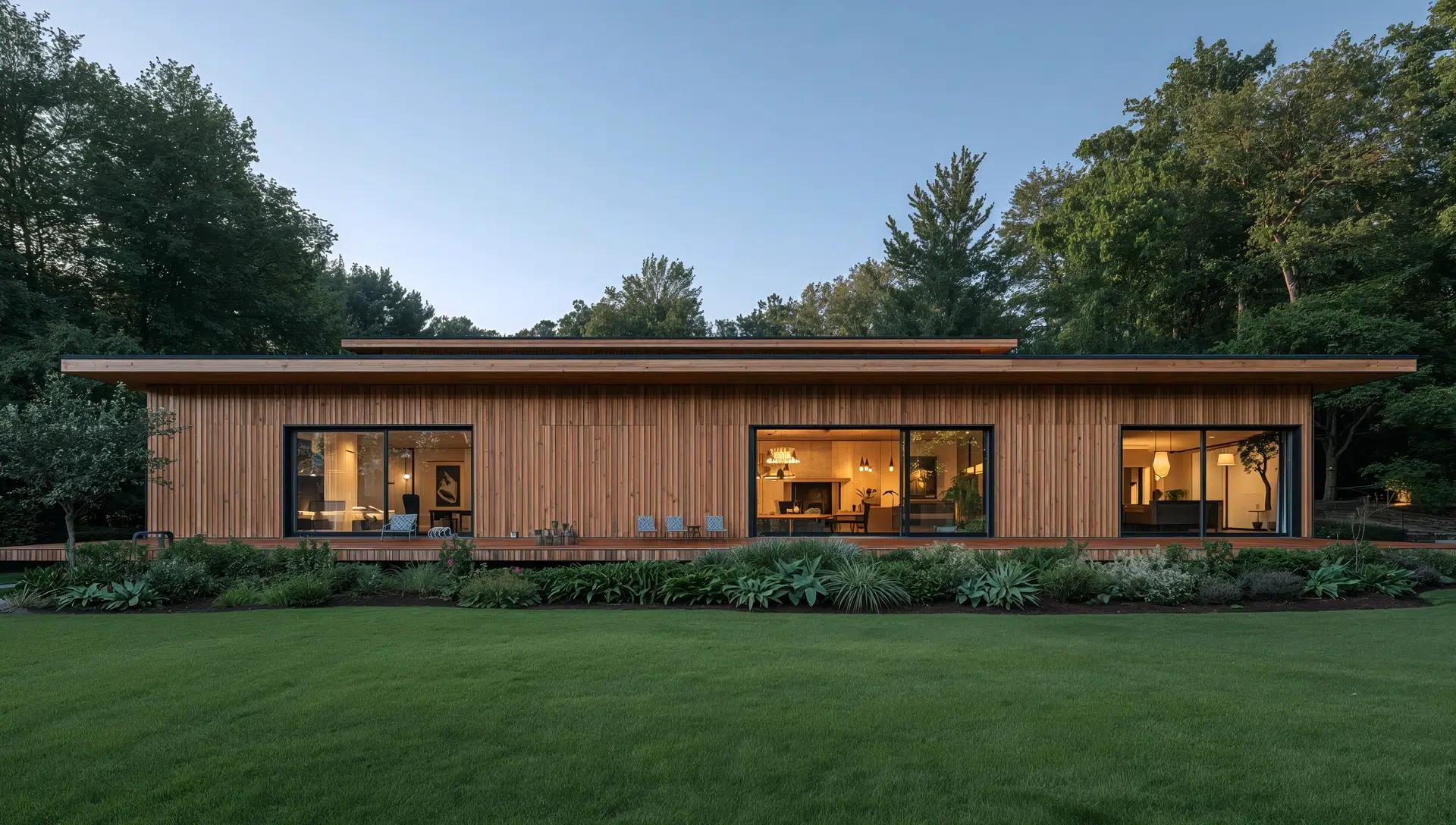
Renovation of one’s home is not only about upgrading the interiors of one’s home or enhancing its look anymore. Homeowners today have realized that home renovation is the perfect way of making their homes energy efficient, resource-friendly, healthy, and well-prepared for the future. A sustainable home renovation involves the integration of energy efficiency, use of appropriate materials, water efficiency, indoor environmental quality, and durability. This type of home renovation is especially essential since the improvement of the building helps to avoid certain environmental impacts that occur due to demolition and the construction of a new building. As per the statistics of the World Green Building Council, approximately 80 percent of the buildings that will be in operation by 2050 are already standing today.
Why Sustainable Renovation Matters
The construction sector uses considerable amounts of energy and resources during the lifecycle of buildings. In recent research into the stock of global buildings, renovating has been highlighted as one possible solution to decrease energy use and CO2 emissions and also to increase the lifetime of buildings.
Renovating an existing building would mean an opportunity to solve problems such as ineffective insulation, outdated heating and cooling systems, inefficient windows, ventilation problems, and excessive energy use in general without having to construct a new building.
However, the ecological implications of the process might reach further than just energy use. Building materials themselves carry some level of ecological burden due to their extraction, production, transportation, and installation. This phenomenon is called embodied carbon. According to the World Green Building Council, decreasing embodied carbon is crucial to create low-carbon buildings and renovations.
Therefore, green renovation would require homeowners not only to think about how much energy their house uses but also about the environmental implications of the materials they use to renovate it.
Start With Energy Efficiency
Amongst the most useful methods for the sustainable renovation of the house, it is possible to mention the improvement of the building shell. Such factors as insulation, air sealing, high-quality windows, and proper shading help to minimize the amount of energy needed to either heat or cool down a house.
It is stated by the U.S. Environmental Protection Agency that highly insulated and effectively sealed houses can save on both heating and cooling expenses. Still, it is vital that energy efficiency goes hand in hand with proper mechanical ventilation, which prevents indoor air from becoming unhealthy due to insufficient ventilation.
Moreover, research proves the usefulness of a well-coordinated renovation. For example, a London housing case study on different combinations of loft insulation, double glazing, and LED lights showed that there were significant savings on annual energy use and emissions of carbon dioxide, but financial outcomes of the renovation depended on its type.
It is evident that one should choose the priorities of the renovation depending on particular features of his/her own house.
Insulation and Air Sealing
Bad insulation may cause unnecessary heat transfer via the roof, walls, and floor. Better insulation will ensure that indoor temperatures can be maintained while decreasing the burden on the heating/cooling system.
There’s also air sealing, which consists of addressing gaps around windows, doors, pipes, and other openings in the building envelope and preventing any air infiltration or exfiltration.
But it is essential to remember that when working on air tightness, you shouldn’t forget about ventilation since, according to the EPA, mechanical ventilation can bring fresh air indoors and remove indoor pollutants.
Thus, a good sustainability upgrade will be able to combine insulation, air sealing, and ventilation into one project.
Choose Materials With a Lower Environmental Impact
Material choices represent another key component of sustainable renovations. Flooring, cabinets, insulation, paint, countertops, and construction materials all have environmental implications.
Homeowners can minimize waste and environmental implications by trying to repair or reuse any existing building components rather than automatically replacing them, especially durable components that could last for many years rather than materials that need to be regularly replaced.
Life cycle assessments have been gaining importance as a method of scientific analysis used for analyzing buildings and building materials. The results of a meta-analysis of over 8,000 scientific articles show that the research on life-cycle assessments of buildings is highly concentrated on building materials and energy efficiency, highlighting the importance of analyzing the environmental implications of buildings throughout their entire lifecycle.
This means that a sustainable renovation must take into account durability and transportation of a material, among other factors.
Improve Heating, Cooling and Appliances
Energy use for heating and cooling systems can constitute a significant share of total energy use in the house. During renovation, it is possible to replace the old and ineffective equipment with new, efficient equipment.
Heat pumps, effective cooling systems, highly efficient water heaters, as well as intelligent controls can be used to reduce energy use. The choice of technology should be dependent on the local climate, insulation of the home, type of electricity generation in place, and needs of the household.
Effective lighting and appliances may help to reduce electricity use. There is no need to change functioning equipment just because there are new items available; one should focus on the equipment that is no longer effective. According to Mark Hanson, Founder of Suntino Solar Lights, “Sustainable renovation should extend beyond the interior of the home. Energy-efficient outdoor solar lighting can improve safety, reduce electricity consumption, and create more functional outdoor spaces without increasing long-term energy costs.”
One must not think about putting as many energy-saving technologies as possible into the house, but should aim at creating an effective system where all components will operate together.
Protect Indoor Air Quality
The definition of sustainability should also encompass the well-being of the occupants of the home. Renovation efforts could generate pollutants or affect existing pollutants in old buildings.
According to the EPA, the health impacts of renovation should involve evaluating indoor air quality, taking into account moisture, ventilation, combustion equipment, volatile organic compounds, and possibly toxic substances. It is especially critical to take moisture levels into consideration. If moisture levels are not managed properly, there could be mold and mildew problems, as well as structural damage. Ventilation and water management techniques could mitigate this problem. Other options would involve using lower-emission products for painting and other finishing applications.
Consider Water Efficiency
Water conservation is yet another possibility when renovating. Low-flow fixtures, water-efficient toilets, low-leak plumbing systems, and water-efficient appliances can help cut down water usage at home.
There is also a great chance of achieving high water efficiency by renovating kitchens and bathrooms since new fixtures will be installed anyway.
In case it is feasible in terms of climate, rules, and available infrastructure, rainwater harvesting and landscaping with reduced need for watering are also possible ways of cutting down usage of treated water.
Sustainable Renovation Is a Long-Term Investment
The most sustainable renovations are seldom the renovations that focus on being least expensive initially. The employment of materials that last long and have efficient systems will reduce the amount of maintenance and replacement work required.
The World Green Building Council identifies deep retrofits as an extremely powerful way of converting existing buildings, mentioning energy and operational greenhouse-gas reductions in the range of 30% to 50% and more as a result of deep retrofits.
At the same time, one should be cautious when it comes to thinking that all expensive green technologies will generate good returns. Energy evaluations and expert appraisals might be useful in figuring out what renovations would fit best for a particular building.
The Future of Sustainable Home Renovation
Renovation for sustainability is becoming increasingly holistic. Rather than making choices about insulation, glazing, heating, materials, ventilation and renewable energy sources individually, people can see how they interact to influence the efficiency of the building as a whole.
Energy monitoring through digital technologies like smart meters and home management systems could allow them to see how their homes use energy. The ultimate goal would be to create a house that uses less energy but still remains comfortable, healthy, and adaptable.
According to the experts at Apple.store, “Smart home ecosystems make it easier for homeowners to monitor energy consumption, automate lighting, and manage connected devices, helping improve both convenience and overall energy efficiency during and after renovation projects.”
Conclusion
Renovating one’s home sustainably provides the chance to enhance the performance of the existing dwelling as far as its environmental impact and usability are concerned. Insulation that is effective from the standpoint of energy consumption, air sealing, energy-efficient HVAC systems, material choices, water-efficient fixtures, waste reduction, and improvement of the indoor air quality are all part of sustainable renovation.
However, sustainable design does not imply the installation of as many technological innovations as possible but rather informed decision-making regarding energy consumption, materials, durability, health, waste, and the whole life cycle of the renovation.
With the growing aging of the building stock in the world, renovating existing homes is becoming particularly significant and important. Thus, renovation may bring not only the renewal of one’s home but also make it efficient and resilient.