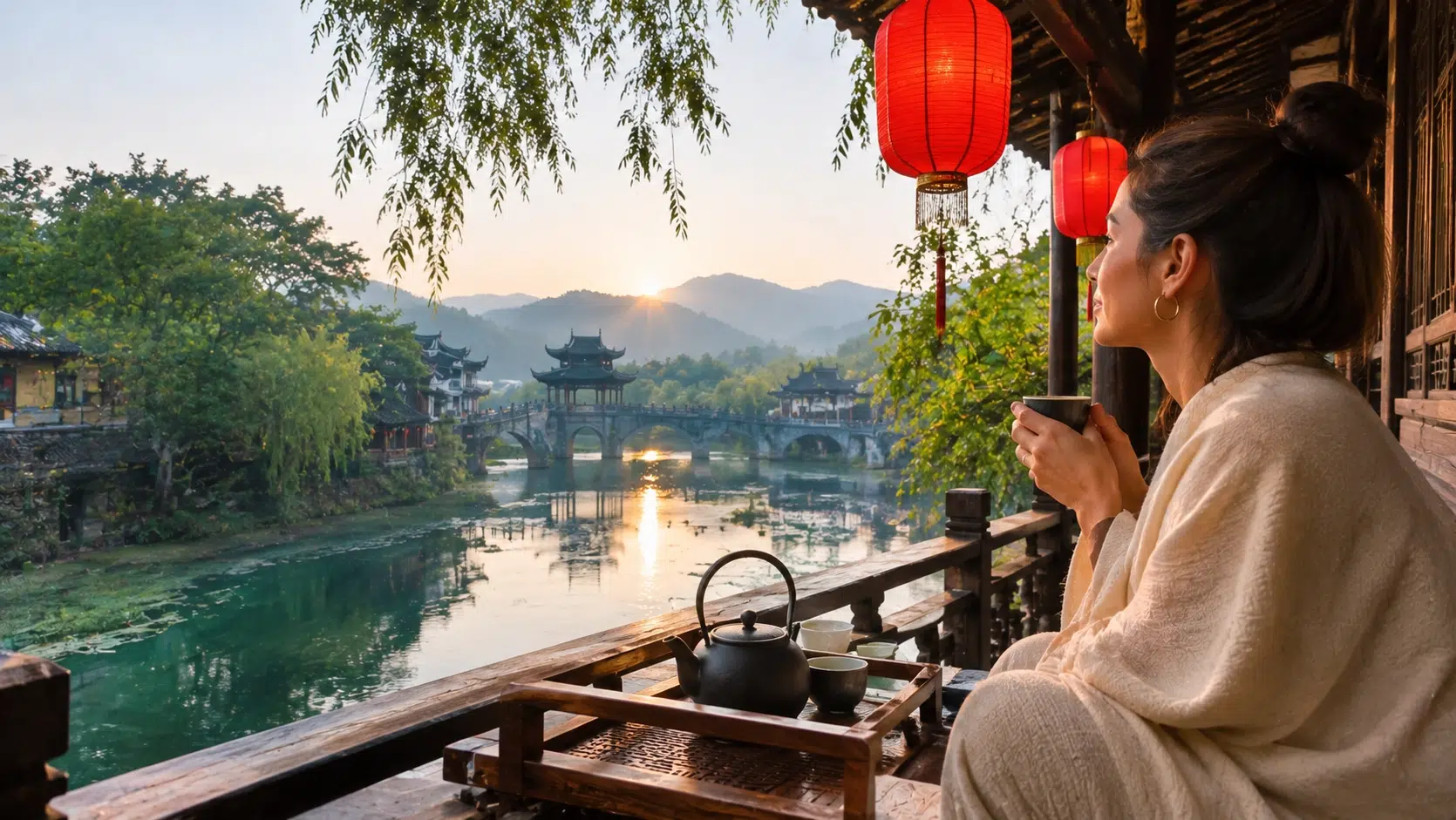
A courtyard breakfast before the city gathers pace. An afternoon spent following the curves of a classical garden. A dinner that continues long after the last dish arrives. Some of China’s most rewarding travel moments depend on having enough time to appreciate them. For a luxury holiday, the most useful starting point is deciding how you want each day to feel.
China invites ambitious itineraries, but a more selective approach can create a richer experience. Pairing Beijing with Shanghai offers a satisfying introduction, particularly when the journey leaves room for architecture, regional food, and quiet discoveries between the headline attractions. Add a garden visit or a countryside retreat, and the trip begins to develop a rhythm of its own.
Give Beijing Room to Unfold
In Beijing, allow the city’s historic spaces to shape your schedule. The Forbidden City deserves sustained attention, with a knowledgeable guide helping connect its courtyards and ceremonial spaces to the lives once lived within them. Choose a particular interest, whether architecture, court traditions, or decorative arts, and let that focus bring the visit into sharper detail.
Balance a major cultural visit with a less structured afternoon. Leave time for lunch, a neighborhood walk, and a return to your hotel before dinner. A private guide is especially valuable when you explain what interests you and how much walking you enjoy. Good planning should accommodate your curiosity as comfortably as it accommodates your pace.
The Summer Palace provides another perspective on the capital. Its halls, pavilions, lake, and landscaped grounds form an imperial garden recognized by UNESCO. Give the setting a generous part of the day, allowing the relationship between water, architecture, and surrounding hills to become part of the experience.
Choose a Hotel That Tells a Local Story
Accommodation can contribute directly to your understanding of a destination. Before reserving, consider which atmosphere appeals to you: an intimate courtyard, a contemporary city retreat, or a restored historic residence. Location matters just as much as design. Think about where you will spend your days and how often you want to cross the city.
In Shanghai, Capella Shanghai, Jian Ye Li offers accommodation in restored shikumen villas, bringing the city’s architectural heritage into the stay itself. For travelers drawn to quieter surroundings, Amanyangyun on Shanghai’s outskirts incorporates restored historic dwellings and a relocated camphor forest. These properties offer distinct settings, making the choice a useful expression of your priorities.
Ask practical questions alongside aesthetic ones. Find out about room layouts, stairs, transfer arrangements, and the time needed to reach your planned activities. A beautiful property becomes more enjoyable when its everyday details suit the way you travel. For a short city stay, proximity may be especially valuable; for a retreat, the grounds may become the main attraction.
Discover Shanghai Through Food, Architecture, and Design
Give Shanghai an itinerary that reflects your interests beyond the skyline. An architecture walk can provide a framework for understanding the city, while an afternoon focused on galleries or independent design creates space for contemporary discoveries. Ask your guide to suggest a manageable route, with time to pause when something catches your attention.
Approach dining with the same flexibility. Reserve a few meals that matter to you, then leave other occasions open to local recommendations. Discuss regional preferences, dietary needs, and how adventurous you would like to be before arrival. A thoughtful introduction to unfamiliar dishes can make a simple lunch as engaging as an elaborate evening reservation.
Slow Down in Suzhou’s Classical Gardens
An excursion to Suzhou adds another dimension for travelers interested in landscape and design. Its UNESCO-listed classical gardens use water, rock formations, plants, and buildings to evoke natural landscapes in miniature.
Select a small number of gardens and give them time. Their appeal lies in shifting perspectives and carefully arranged details that reward close observation. Allow yourself to linger beside a pond, study a pavilion, or follow the changing views along a winding path.
Arrange Travel Documents Before the Final Details
The ease of a well-planned holiday begins before departure. Once you have outlined your route, check the current official entry requirements for your passport, travel purpose, and itinerary. Visa-free entry arrangements have specific conditions, so establish which rules apply to your journey before committing to nonrefundable plans.
For travelers who need a visa and fall within the relevant consular jurisdiction, arranging tourist visa assistance in Los Angeles through China Visa Depot can help with application preparation and document organization. Addressing those tasks early gives you more room to concentrate on hotels, guides, and dining. Visa decisions remain with the Chinese consular authorities.
Bring the same attention to your arrival. Confirm your airport transfer, keep your hotel’s name and address available in Chinese, and ask about suitable payment and mobile-connectivity arrangements. Share dietary requirements and accessibility needs with your hotel and guide in advance. Small preparations can make the first evening feel considerably more relaxed.
Leave Space for the Unexpected
As a starting point for a ten-night holiday, consider four nights in Beijing and six in the Shanghai area, adjusting the balance for your interests and arrival times. Decide whether a Suzhou excursion or a countryside stay belongs within those days. Keep the transfer day light, and avoid filling every evening with a reservation.
Leave at least one afternoon without a fixed agenda. You might return to a favorite neighborhood, spend longer over tea, or simply enjoy the hotel you chose so carefully. In a destination with so much to discover, allowing time for a personal connection can be the most rewarding planning decision of all.